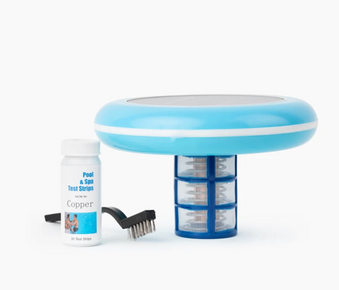
TL;DR: Operating a solar pool ionizer effectively requires understanding a few key principles that differ significantly from traditional pool management. Unlike chlorine systems that demand constant attention and reactive adjustments, ionizers thrive on consistency, patience, and systematic verification. This 2026 guide provides comprehensive operational guidelines covering daily routines, weekly testing protocols, seasonal adjustments, and emergency procedures. Whether you are a new ionizer owner or seeking to optimize an existing system, these guidelines will help you achieve the crystal-clear, chemical-free water that solar ionization promises.
SEO Summary: 2026 operational guidelines for solar pool ionizers: daily routines, weekly testing, seasonal adjustments, copper management, pH control, and emergency procedures for optimal performance.
Table of Contents
- The Operational Philosophy: Consistency Over Crisis
- Daily Operational Routine
- Weekly Testing and Adjustment Protocols
- Monthly Maintenance Procedures
- Seasonal Operational Guidelines
- Copper Management Guidelines
- pH Control and Adjustment
- Filtration and Circulation Guidelines
- Emergency and Contingency Procedures
- Conclusion & Key Takeaways
The Operational Philosophy: Consistency Over Crisis
The most important shift for new ionizer owners is understanding that pool operation becomes a practice of consistency rather than crisis management. Traditional chlorine pools are defined by constant fluctuations and emergency responses. Ionized pools are defined by stable, predictable behavior that requires systematic verification rather than reactive intervention.
- Trust the system: Solar ionizers are designed to maintain water quality continuously. Once properly set up, they do not need daily adjustment. Trust that the system is working and verify rather than constantly tweaking.
- Observation over intervention: Your primary tool becomes observation not chemical addition. Learn what your pool looks like when it's healthy. Notice subtle changes before they become problems. Intervene only when data indicates a need.
- Patience in establishment: When first starting up or after major changes, the ionic field takes time to establish. Copper levels do not reach target instantly. Patience during this period prevents over-correction and unnecessary chemical additions.
- Systematic verification: Develop a routine and stick to it. Test at the same time, using the same methods, and record results. Consistency in verification reveals patterns that enable prediction and prevention.
- Documentation discipline: Keep records of copper levels, pH readings, adjustments made, and notable events. This data becomes invaluable for understanding your pool's unique behavior and optimizing operation.
The operational philosophy shift is essential for success. Our predictable pool maintenance resource explores how this philosophy transforms the ownership experience.
Daily Operational Routine
The daily routine for an ionized pool is remarkably simple, requiring less than two minutes of attention. This simplicity is one of the most valued benefits of solar ionization.
- Visual clarity assessment (30 seconds): Walk to the deep end and observe water clarity. Look for any haze, discoloration, or floating particles. Note the sharpness of definition on the main drain or a dark object on the bottom. This visual check is your first indicator of system health.
- Solar panel glance (10 seconds): Look at your solar panel to ensure it is clean and unobstructed. Check for leaves, debris, or shading from new growth. A clean panel in full sun ensures maximum ion production.
- Flow indicator verification (10 seconds): Confirm that water is flowing through the ionizer chamber. If your system has a visible flow indicator, check that it is moving. If not, place your hand on the chamber it should feel slightly warm from electrical activity when operating in sunlight.
- Quick pH check (optional, 30 seconds): After you have established your pool's pH pattern, daily testing may be unnecessary. However, during the first month or after significant events, a quick pH test provides early warning of developing issues.
- Pump operation confirmation (10 seconds): Verify that your pump is running according to schedule. Listen for operation or check the timer or controller display.
- Skimmer quick check (20 seconds): Glance at skimmer baskets to ensure they are not completely filled. Empty if debris is blocking flow.
This daily routine takes 90 seconds or less but provides essential oversight. It catches developing issues before they become visible problems and builds the habit of engaged observation. Our daily pool management checklists resource provides printable templates for this routine.
Weekly Testing and Adjustment Protocols
Weekly tasks provide quantitative verification that the system is operating within optimal parameters. These 5 to 10 minute sessions are the core of ionized pool management.
- Copper concentration test: Test copper levels using a reliable method. Digital copper meters provide laboratory accuracy and are recommended. Test strips are acceptable but less precise. Target range is 0.2 to 0.4 parts per million. Record the reading in your log.
- pH full test: Test pH using a liquid test kit or digital meter. Target range is 7.4 to 7.6. Note any drift from previous readings. pH trends are more informative than single readings.
- Alkalinity verification (bi-weekly): After initial stabilization, alkalinity testing can be reduced to every two weeks. Target is 80 to 120 parts per million. Consistent alkalinity supports pH stability.
- Filter pressure reading: Record filter pressure while pump is running at normal speed. Compare to your clean filter baseline. Note any increase that might indicate filter loading.
- Ionizer output check: Verify that the ionizer controller is showing normal operation. Note the current output setting and compare to previous settings.
- Adjustment decisions:
- If copper below 0.2 ppm for two consecutive weeks, increase output by 10 percent.
- If copper above 0.4 ppm, decrease output by 10 percent.
- If pH consistently outside 7.2 to 7.8 range, adjust using acid or base in small increments.
- If filter pressure risen 8 to 10 PSI above baseline, schedule cleaning.
- Log entry: Record all readings, adjustments, and observations in your log. Consistent logging reveals patterns that enable prediction.
Weekly protocols are the foundation of successful ionizer operation. Our simpler pool chemistry resource provides detailed guidance on interpreting test results and making adjustments.
Monthly Maintenance Procedures
Monthly tasks focus on deeper verification and preventive maintenance that keeps the system operating at peak performance.
- Electrode visual inspection: If your ionizer has a transparent chamber, inspect electrodes for scale buildup or uneven erosion. Light, even patina is normal. Heavy white scale indicates high calcium or pH issues. Uneven erosion may indicate flow problems.
- Electrode cleaning (if needed): If scale is visible, remove electrodes and clean with a mild acid solution (1 part muriatic acid to 10 parts water). Soak for 2 to 5 minutes until bubbling stops, then rinse thoroughly. Do not scrub mechanically.
- Solar panel cleaning: Clean panel surface with a soft cloth and mild soap solution. Rinse thoroughly. Remove any debris that has accumulated around the panel frame. Check mounting hardware for tightness.
- Comprehensive water testing: Test calcium hardness (target 200 to 300 ppm) and phosphates (target below 500 ppb). These parameters change slowly but affect long-term water quality.
- O-ring and seal inspection: Inspect pump lid O-ring, filter O-ring, and ionizer chamber seals. Look for cracks, flattening, or debris. Lubricate with silicone pool lubricant if needed.
- Flow switch verification: Test flow switch operation by temporarily reducing pump speed or closing a valve. The system should alert or shut down. Restore normal flow and verify resumption.
- Controller diagnostics: Check controller for any error messages or alerts. Review stored data if available. Note any trends in performance.
Monthly maintenance takes 15 to 30 minutes but prevents small issues from becoming major problems. Our electrode cleaning frequency resource provides detailed guidance on maintaining optimal electrode performance.
Seasonal Operational Guidelines
Seasonal changes affect pool operation, and guidelines must adapt to maintain optimal performance throughout the year.
- Spring start-up:
- Remove and store winter cover
- Reconnect and inspect all equipment
- Balance pH, alkalinity, and calcium before activating ionizer
- Inspect and clean electrodes if necessary
- Set ionizer to 70 to 80 percent of expected summer output
- Run pump continuously for 24 to 48 hours
- Test copper after 72 hours and adjust output
- Test phosphates and treat if above 500 ppb
- Summer operation:
- Maintain copper at 0.2 to 0.4 ppm (higher end during heat waves)
- Test weekly, adjust as needed
- Monitor pH more frequently during extreme heat
- After heavy use, run pump 24 hours continuous
- After heavy rain, test pH and copper and adjust
- Fall transition:
- As water cools below 70°F, gradually reduce ionizer output
- Allow copper to drift to 0.15 to 0.25 ppm
- Perform final water balance before closing
- In freezing climates, remove and store electrodes
- Drain ionizer chamber to prevent freeze damage
- Cover or store solar panel
- Winter storage (freezing climates):
- Store electrodes indoors at room temperature
- Store solar panel in dry location
- Leave ionizer chamber drained and valves in winter position
- No maintenance needed until spring
- Year-round operation (non-freezing):
- Reduce output as water cools, increase as it warms
- Maintain minimum copper of 0.1 ppm during cool months
- Continue weekly testing at reduced frequency
Seasonal guidelines ensure your ionizer operates optimally year-round. Our seasonal pool maintenance schedules resource provides detailed month-by-month protocols for all climate zones.
Copper Management Guidelines
Proper copper management is essential for both effective sanitation and preventing staining. These guidelines help maintain optimal levels.
- Target range: Maintain copper between 0.2 and 0.4 parts per million. This range provides effective algae and bacteria control while minimizing staining risk. Levels below 0.2 ppm may allow algae to establish; levels above 0.5 ppm increase staining potential without improving sanitation.
- Testing frequency: Test copper weekly during swim season. More frequent testing may be needed during extreme heat, after heavy use, or after significant rain. Digital meters provide the accuracy needed for confident management.
- Adjustment protocol: When copper trends low, increase ionizer output by 10 percent increments and retest after 48 hours. When copper approaches 0.5 ppm, decrease output by 10 to 15 percent. Make small adjustments and allow time for stabilization.
- Temperature compensation: If your controller has temperature compensation, trust it. This feature automatically adjusts output based on water temperature, matching sanitation to biological demand. Verify with weekly testing but allow the system to do its job.
- Copper and pH relationship: Copper solubility decreases at high pH. If copper levels are adequate but algae appears, check pH first. High pH may be preventing copper from working effectively.
- Copper and sequestering agents: If you use sequestering agents for metal control, they will temporarily bind copper, reducing free copper levels. Test copper 48 hours after sequestrant application and adjust output if needed.
- Staining prevention: To prevent copper staining:
- Never allow copper to exceed 0.5 ppm
- Maintain pH below 7.8 (ideally 7.4 to 7.6)
- Avoid chlorine shocks that can oxidize copper
- Use sequestering agents if you have a history of staining
Copper management becomes intuitive with experience. Our copper pool staining prevention guide provides comprehensive guidance on maintaining optimal levels while avoiding staining risks.
pH Control and Adjustment
pH management in ionized pools is simpler than in chlorinated pools but still requires attention. These guidelines ensure optimal pH control.
- Target range: Maintain pH between 7.4 and 7.6. This range optimizes copper effectiveness, swimmer comfort, and equipment protection. Occasional excursions to 7.2 or 7.8 are acceptable but should not be sustained.
- Testing frequency: Test pH weekly during normal operation. Daily testing may be helpful during the first month to establish your pool's pattern. After stabilization, weekly testing suffices.
- Understanding drift: pH in ionized pools drifts slowly and predictably. Typical drift rates are 0.1 to 0.2 units per month. This compares to 0.2 to 0.4 units per week in chlorinated pools. Learn your pool's drift rate and adjust accordingly.
- Adjustment protocol:
- To lower pH: Add muriatic acid in small increments (4 to 8 fluid ounces for average pool). Retest after 4 to 6 hours of circulation.
- To raise pH: Add soda ash (sodium carbonate) in small increments. Dissolve in a bucket of water before adding to pool.
- Record adjustments and results to refine your understanding of your pool's response.
- Aeration effects: Waterfalls, fountains, and spillways increase aeration, which raises pH by driving off carbon dioxide. If your pool has water features, expect slightly faster pH drift. This is normal and manageable.
- Alkalinity relationship: Stable alkalinity (80 to 120 ppm) supports pH stability. If pH drifts erratically, test alkalinity first. Low alkalinity allows pH swings; high alkalinity can cause persistent pH rise.
- Automated pH control: For ultimate simplification, automated pH controllers continuously monitor and adjust pH. These devices eliminate manual pH management entirely. Our smarter water systems article discusses integration with pH automation.
pH control is straightforward once you understand your pool's patterns. Our water stability resource explores the relationship between pH and overall pool chemistry.
Filtration and Circulation Guidelines
Proper filtration and circulation are essential for ionizer performance. These guidelines help optimize your filtration system.
- Minimum effective runtime: Determine your pool's minimum effective filtration runtime through systematic testing. Start with 6 hours daily, reduce by 30 minutes every few days, and observe clarity. When clarity begins to decline, add 30 minutes back for margin. Most ionized pools achieve excellent clarity with 4 to 6 hours daily.
- Variable-speed optimization: If you have a variable-speed pump, operate at the lowest speed that maintains skimmer action and flow switch activation. Lower speeds dramatically reduce energy consumption. Typical speeds range from 1500 to 2000 RPM for 1.5 HP pumps.
- Filter cleaning schedule: Establish a cleaning schedule based on pressure rise rather than calendar. Record clean pressure after each cleaning. When pressure rises 8 to 10 PSI above clean pressure, it's time to clean. For most pools, this occurs every 4 to 8 weeks for cartridge filters, 6 to 12 weeks for sand filters.
- Backwash optimization (sand/DE): Backwash only when pressure indicates need. Extended backwash cycles waste water. After backwashing, verify that pressure returns to clean baseline.
- Cartridge filter care: Rotate cartridges if you have multiple sets. Cleaned cartridges should be completely dry before storage to prevent mold growth.
- Post-event filtration: After heavy use, parties, or storms, run pump continuously for 24 hours to restore water quality. This simple practice often eliminates the need for chemical additions.
- Flow distribution: Ensure that return fittings are adjusted to promote good circulation throughout the pool. Dead spots behind ladders or in corners may need occasional brushing to prevent algae.
Proper filtration maximizes the benefits of ionization. Our performance enhancement resource discusses how optimized filtration contributes to superior water quality.
Emergency and Contingency Procedures
Even with proper operation, unexpected events occasionally occur. These emergency procedures help you respond effectively.
- Sudden copper drop:
- Test copper immediately to confirm
- Check solar panel for obstruction or damage
- Verify pump operation and flow through chamber
- Inspect electrodes for heavy scale or depletion
- Temporarily increase output by 20 percent
- Retest after 48 hours
- If no improvement, consult manufacturer support
- Cloudy water development:
- Test copper if below 0.2 ppm, increase output
- Check filter pressure if high, clean filter
- Test pH adjust to 7.4 to 7.6 if outside range
- Test phosphates if above 500 ppb, treat
- Run pump continuously for 24 to 48 hours
- Consider non-chlorine shock if cloudiness persists
- Algae appearance:
- Test copper immediately
- Brush affected areas vigorously
- Temporarily increase copper to 0.4 to 0.5 ppm
- Run pump continuously
- Test phosphates and treat if elevated
- After algae clears, return to normal copper levels
- Power outage or pump failure:
- Ionic field persists for several days without active ion production
- Restore power or repair pump as soon as possible
- After restoration, test copper and adjust if needed
- No emergency chemical addition required
- Severe weather events:
- After heavy rain, test pH and copper, adjust if needed
- After high winds, clean debris and check filter
- After extended cloud cover, verify copper levels
- Equipment failure:
- If ionizer stops producing, water quality will degrade slowly over weeks
- You have time to diagnose and repair without emergency measures
- If extended downtime expected, consider temporary chlorine addition
Emergency procedures are systematic and calm, not panicked. Our green pool restoration resource provides detailed protocols for more severe water quality issues.
Conclusion & Key Takeaways
Operating a solar pool ionizer successfully requires a shift from reactive crisis management to systematic, consistent verification. The daily routine takes less than two minutes, weekly testing adds another 5 to 10 minutes, and monthly maintenance requires 15 to 30 minutes. This minimal time investment delivers water quality that exceeds what traditional pools achieve with hours of effort.
Key operational principles include maintaining copper between 0.2 and 0.4 ppm, keeping pH in the 7.4 to 7.6 range, ensuring adequate filtration, and responding to events systematically rather than reactively. Seasonal transitions follow predictable patterns that become routine with experience.
The most successful ionizer owners develop the habit of engaged observation. They notice subtle changes before they become problems. They trust their system but verify its performance. They document patterns that enable prediction and prevention.
Key Takeaways
- Consistency trumps crisis: Ionized pools thrive on routine verification, not emergency intervention. Develop daily, weekly, and monthly habits and stick to them.
- Daily routine takes 90 seconds: Visual clarity check, solar panel glance, flow verification, and pump confirmation catch developing issues early. Our daily checklists resource helps establish this habit.
- Weekly testing is essential: Copper and pH tests provide quantitative verification of system performance. Record results to identify patterns.
- Monthly maintenance prevents problems: Electrode inspection, panel cleaning, and comprehensive testing catch small issues before they become major.
- Seasonal guidelines ensure year-round performance: Spring start-up, summer peak, fall transition, and winter storage each have specific protocols.
- Copper management is straightforward: Maintain 0.2 to 0.4 ppm, test weekly, adjust in small increments. Temperature compensation automates much of this.
- pH control is simplified: Stable chemistry means monthly rather than weekly adjustments. Learn your pool's drift rate and adjust accordingly.
- Filtration optimization maximizes efficiency: Minimum effective runtime, proper cleaning schedules, and post-event protocols ensure clear water with minimal energy.
- Emergency procedures are calm and systematic: Stable chemistry provides time to respond methodically. There are no panicked Sunday morning crises.
- The operational shift transforms ownership: Moving from crisis management to systematic verification changes the entire pool experience. Our reinventing backyard pools article explores how this transformation creates genuine enjoyment.
Operating a solar pool ionizer is not difficult, but it is different. Embrace the philosophy of consistency, develop systematic habits, and trust the technology. The result is a pool that practically runs itself, delivering crystal-clear, chemical-free water with minimal effort.