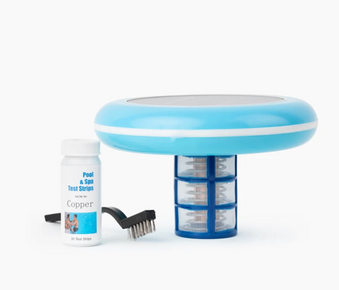
Solar pool ionizers represent one of the most innovative and environmentally responsible advancements in modern swimming pool maintenance technology, offering pool owners a sustainable alternative to traditional chemical-based sanitation systems. These sophisticated devices harness the virtually limitless power of sunlight through integrated photovoltaic panels, converting solar energy into electrical current that drives an electrochemical process releasing controlled quantities of copper or silver ions directly into the pool water. This natural purification methodology creates an environment fundamentally hostile to algae proliferation and bacterial contamination while maintaining the crystal-clear pool water visual appeal and chemical balance. Despite their reputation for minimal maintenance requirements and operational simplicity, solar pool ionizers are not entirely maintenance-free systems and demand periodic attention to specific components that experience gradual degradation through normal electrochemical activity and environmental exposure.
As these ionization systems operate continuously throughout the swimming season, their critical internal components particularly the sacrificial anode, complementary cathode, and protective filtration basket undergo predictable wear patterns and performance degradation that eventually compromise their sanitation effectiveness. Understanding the specific replacement timelines, recognizing early warning signs of component failure, and implementing proactive maintenance strategies become essential knowledge for any pool owner committed to maintaining optimal water quality while maximizing their equipment investment. This exhaustive, technically detailed guide provides comprehensive coverage of every wearable component within solar ionization systems, including precise replacement schedules based on various operating conditions, detailed diagnostic procedures for identifying component degradation, and professional maintenance methodologies that ensure extended equipment lifespan and consistent performance.
Table Of Contents
- Understanding the Main Components of a Solar Ionizer
- The Importance of Timely Replacement
- How Often to Replace the Anode
- How Often to Replace the Cathode
- Replacing the Protective Basket and Accessories
- Monitoring Performance and Signs That Parts Need Replacement
- Final Thoughts: Extending the Life of Your Solar Pool Ionizer
Understanding the Main Components of a Solar Ionizer
Solar pool ionizers represent elegantly simple yet precisely engineered electrochemical systems comprising several interdependent components that work in concert to transform solar energy into continuous water purification. Each component serves distinct yet complementary functions within the ionization process, with specific materials and designs optimized for their particular roles. Understanding the operational principles, construction materials, and failure mechanisms of these core components provides the essential foundation for implementing effective maintenance strategies and recognizing early signs of performance degradation before water quality becomes compromised.
Anode: The Sacrificial Ion Source
The anode represents the heart of the solar ionization system, functioning as the primary active component responsible for generating the purification ions that maintain water quality. Typically constructed from high-purity copper (99.9% or higher) or specialized copper-silver alloys specifically formulated for controlled electrochemical erosion, the anode operates through deliberate sacrificial corrosion in a process known as oxidative dissolution. When the solar panel generates electrical current from sunlight, this current flows through the immersed electrodes, causing the anode to release positively charged metal ions (Cu²⁺ for copper-based systems, Ag⁺ for silver-enhanced models) directly into the surrounding pool water through controlled electrochemical reactions.
This ion release process follows Faraday's laws of electrolysis, with the mass of metal ions released proportional to the electrical current flowing through the system and the duration of operation. The anode's physical design typically a cylindrical rod with precise diameter and surface area calculations ensures consistent current density across its surface, promoting uniform erosion rather than localized pitting. Premium anodes may incorporate surface treatments, specialized alloying elements, or protective coatings that moderate the erosion rate while preventing passivation layer formation that could interrupt consistent ion production. As the anode gradually sacrifices its material to maintain water purity, its diameter decreases predictably, eventually reaching a point where the reduced surface area can no longer maintain adequate ion concentrations, signaling the need for replacement.
Cathode: Circuit Completion Electrode
The cathode serves as the complementary electrode that completes the essential electrical circuit required for the ionization process to occur, functioning as the electron receptor in the electrochemical cell. While the anode experiences deliberate material loss through oxidation, the cathode typically remains structurally stable, constructed from corrosion-resistant materials such as 316L-grade stainless steel, titanium, or specialized nickel alloys selected for their electrochemical stability and resistance to various pool water chemistries. The cathode's primary function involves facilitating efficient electron transfer from the water back to the electrical circuit while minimizing competing reactions that could reduce system efficiency or generate undesirable byproducts.
Despite its non-sacrificial design, the cathode gradually experiences surface modifications that can impact system performance over extended operational periods. The most common issue involves mineral scale accumulation, primarily calcium carbonate and magnesium hydroxide, which precipitate onto the cathode surface due to localized pH elevation caused by hydrogen gas generation at the electrode interface. These insulating mineral deposits increase electrical resistance, reduce current flow, and can create uneven current distribution patterns that accelerate localized anode wear. Additionally, cathodes may develop superficial oxidation films, microbial colonization, or organic contaminant layers that further compromise electrical performance. In aggressive water conditions or systems with improper chemical balance, cathodes can experience pitting corrosion or crevice corrosion at connection points, potentially necessitating replacement to restore optimal electrochemical performance.
Protective Basket: Debris Management System
The protective basket, sometimes referred to as the debris screen or mesh guard, represents the physical protection system that prevents leaves, insects, hair, and other particulate matter from directly contacting the sensitive electrode surfaces. This component typically consists of corrosion-resistant plastic polymers (such as ABS, polypropylene, or UV-stabilized polyethylene) or coated metals arranged in specific geometric patterns that maximize debris exclusion while maintaining optimal hydrodynamics and water flow characteristics around the electrodes. The basket's design represents a careful balance between maximum open area for unrestricted water movement and minimum aperture size for effective debris exclusion.
Over multiple swimming seasons, protective baskets experience various degradation mechanisms that can compromise their functionality. Ultraviolet radiation from continuous sun exposure gradually degrades plastic polymers, reducing impact resistance and potentially causing brittle fracture. Chemical exposure to chlorine, bromine, or other pool sanitizers can accelerate polymer degradation or cause discoloration and surface crazing. Physical stress from handling during cleaning procedures, impact with pool walls, or freezing conditions can create cracks, broken mesh elements, or distorted mounting features. Additionally, baskets progressively accumulate mineral deposits and biological films that resist standard cleaning procedures, potentially restricting water flow enough to impact ionization efficiency. A compromised basket allows debris to contact electrode surfaces, creating irregular current distribution, physical damage risk, and potential short-circuit conditions that can permanently damage the ionizer's electrical components.
Secondary Components and Accessories
Beyond the three primary components, solar pool ionizers incorporate various secondary elements that contribute to overall system functionality, reliability, and user convenience. Floating devices or buoyancy elements maintain proper solar panel orientation toward the sun while keeping electrodes submerged at optimal depths, typically constructed from closed-cell foam or air-filled plastic chambers with specific density calculations. Electrical connection systems, including waterproof connectors, junction boxes, and cable strain reliefs, ensure reliable power transmission from solar panels to electrodes while withstanding continuous immersion and chemical exposure. Mounting hardware, typically stainless steel or brass screws, nuts, and washers, secure components while resisting corrosion in the challenging pool environment.
Additional accessories may include inspection windows for visual monitoring of electrode condition, quick-disconnect mechanisms for simplified maintenance, and integrated water flow sensors that activate the system only during pump operation to prevent excessive ion accumulation. While these secondary components generally experience less dramatic wear than the primary electrodes, they require periodic inspection to identify corrosion, material fatigue, or degradation that could compromise system safety or performance. Proper maintenance of these supporting components ensures reliable operation and prevents unexpected system failures that could interrupt the continuous purification process essential for maintaining water quality.

The Importance of Timely Replacement
Implementing a proactive, scheduled replacement program for solar ionizer components represents one of the most crucial aspects of sustainable pool ownership, delivering substantial benefits across multiple dimensions including water quality, equipment protection, economic efficiency, and operational reliability. Understanding the specific consequences of delayed component replacement enables informed maintenance decisions that preserve both the ionization system's performance and the overall swimming experience.
Maintained Ionization Efficiency and Consistent Performance
Timely replacement of degraded components ensures the ionization system maintains consistent, controlled release of purification ions at the designed rates and concentrations essential for effective water treatment. As the anode erodes through normal operation, its decreasing diameter reduces the available surface area for electrochemical reactions, directly diminishing ion production capacity according to well-established electrochemical principles. Similarly, scale accumulation on the cathode surface increases electrical resistance, reducing current flow and further compromising ion generation efficiency. A compromised protective basket restricts water movement around the electrodes, creating stagnant zones where ion concentration becomes locally elevated while other areas receive inadequate treatment.
The performance degradation resulting from worn components follows predictable patterns that directly impact water quality management. A fully functional ionization system typically maintains copper ion concentrations between 0.2 and 0.5 parts per million (ppm), a range scientifically established as effective for algae and bacteria control while remaining safe for swimmers and pool equipment. As components degrade, ion concentrations gradually decline, eventually falling below the minimum threshold necessary for reliable microbiological control. This decline rarely occurs abruptly, instead manifesting as a gradual increase in chemical demand, reduced water clarity persistence between treatments, and eventually visible algae growth or cloudy pool water. Proactive component replacement prevents this performance decay, maintaining the consistent water quality that represents the primary benefit of ionization technology.
Microbiological Control and Health Safety Assurance
A properly functioning solar ionization system creates an environment fundamentally hostile to microorganisms through multiple mechanisms that complement each other for comprehensive protection. Copper ions disrupt enzyme systems in algae and bacteria, interfere with photosynthetic pathways, and damage cellular membranes through oxidative stress. Silver ions, when present, provide additional protection against bacteria and viruses through different mechanisms including DNA binding and electron transport disruption. When component degradation reduces ion production, these protective mechanisms become compromised, allowing microorganisms to establish footholds and eventually proliferate to problematic levels.
The health implications of inadequate ionization extend beyond simple aesthetics or convenience considerations. Inadequately controlled bacterial populations can include potentially pathogenic species such as Pseudomonas aeruginosa, Legionella pneumophila, or Escherichia coli, presenting genuine health risks particularly for children, elderly swimmers, or immunocompromised individuals. The algistatic protection prevents not only visible algae blooms but also the biofilm formations that harbor bacteria and protect them from residual sanitizers. Consistent ionization also helps control waterborne pathogens that cause recreational water illnesses, making pool maintenance a genuine health and safety consideration rather than merely an equipment preservation issue. Systematic component replacement ensures this protective barrier remains intact throughout the swimming season.
Equipment Protection and System Longevity
Properly maintained ionization systems contribute to the protection and extended lifespan of other pool equipment components through multiple indirect mechanisms. By reducing reliance on aggressive oxidizing chemicals, ionization minimizes corrosion and degradation of pool heaters, pump seals, filter elements, and circulation system components. The consistent microbiological control prevents algae and biofilm accumulation in pipes, filters, and on pool surfaces, reducing the need for aggressive cleaning procedures that can accelerate equipment wear. Additionally, the balanced water chemistry maintained through consistent ionization prevents scale formation, metal staining, and surface deterioration that can compromise pool finishes and equipment.
Conversely, neglected ionization systems can indirectly damage other pool components through several mechanisms. Inadequate microbiological control often leads to reactive chemical treatments with high chlorine levels or specialty algaecides that accelerate equipment corrosion and degradation. Algae blooms and bacterial films clog filters, reduce circulation efficiency, and create localized corrosion cells on metal components. The fluctuating water quality associated with failing ionization systems creates chemical imbalances that can damage pool surfaces, promote scale formation, or cause metal staining. By maintaining consistent ionization performance through timely component replacement, pool owners protect their entire equipment investment while reducing overall maintenance requirements and unexpected repair costs.
Economic Efficiency and Value Preservation
The economic advantages of systematic component replacement extend far beyond the direct costs of replacement parts, encompassing chemical savings, equipment longevity, energy efficiency, and overall value preservation. A fully functional ionization system typically reduces chlorine consumption by 80-90% compared to traditional sanitation methods, representing substantial recurring savings throughout the swimming season. This chemical reduction extends to other pool chemicals including pH adjusters, alkalinity controllers, and specialty algaecides, further enhancing the economic benefits.
The comparative cost analysis between proactive component replacement and complete system failure demonstrates compelling economic advantages. Premium solar ionizer systems represent investments of several hundred dollars, while replacement components typically cost between 15-30% of complete system replacement while restoring 90-100% of original performance. Additionally, maintained systems prevent the water quality emergencies that often necessitate expensive professional interventions, filter media replacements, or surface restoration procedures. The extended equipment lifespan resulting from consistent water quality provides additional economic benefits through deferred capital replacement costs. When viewed comprehensively, the modest investment in scheduled component replacement delivers exceptional return on investment while ensuring continuous enjoyment of the healthier pool environment.
How Often to Replace the Anode
The anode represents the primary consumable component within solar ionization systems, with replacement frequency determined by multiple factors including pool volume, water chemistry, usage patterns, and environmental conditions. Understanding these influencing factors enables precise prediction of replacement needs and implementation of proactive maintenance schedules that prevent performance degradation before water quality becomes compromised.
Comprehensive Signs of Anode Degradation
Recognizing the early indicators of anode wear enables timely replacement before significant performance degradation occurs. Visual inspection provides the most straightforward assessment method, with a healthy anode exhibiting gradual, even reduction in diameter rather than irregular erosion patterns. Significant diameter reduction typically exceeding 50% of the original dimension indicates approaching replacement necessity. Advanced erosion often presents as pronounced thinning at the ends where current density concentrates, or as general reduction throughout the electrode length. Pitting corrosion, characterized by localized deep cavities rather than uniform erosion, suggests water chemistry issues or manufacturing defects requiring attention beyond simple replacement.
Performance-based indicators provide complementary evidence of anode degradation, often manifesting before visual signs become pronounced. Reduced copper ion concentrations, measured using reliable test strips or digital testers, represent the most quantitative degradation indicator. Consistent readings below 0.2 ppm despite adequate sunlight exposure typically signal inadequate ion production. Increased algae presence, particularly in shaded areas or locations with limited circulation, indicates declining algistatic protection. Water clarity reduction, increased chemical demand, or persistent cloudiness despite normal filtration all suggest declining ionization performance. Many pool owners also notice increased maintenance requirements, more frequent filter cleaning, or reduced time between water treatments as early indicators of declining anode effectiveness.
Detailed Replacement Timelines and Influencing Factors
Standard replacement intervals for anodes typically range between 1-3 years under normal residential pool conditions, though numerous factors can significantly alter this timeline. Pool volume represents a primary determinant, with larger pools (over 30,000 gallons) potentially requiring annual replacement while smaller pools (under 15,000 gallons) might extend to three-year intervals. Water chemistry exerts profound influence, with hard water (calcium hardness exceeding 400 ppm) potentially cutting anode lifespan by 30-50% due to accelerated scale formation and altered electrochemical conditions. Heavy bather loads introduce organic contaminants that increase chemical demand and indirectly accelerate anode consumption through more aggressive operation.
Environmental conditions significantly impact anode longevity, with pools in full sun environments typically experiencing faster anode consumption due to increased operational hours. Seasonal versus year-round operation creates substantial differences, with twelve-month operation in warm climates potentially halving replacement intervals compared to seasonal use. Water temperature influences electrochemical reaction rates, with warmer water generally accelerating anode erosion. Additional factors include circulation patterns, filter efficiency, supplemental chemical usage, and specific ionizer design characteristics. Maintaining detailed operational records enables increasingly accurate prediction of replacement needs based on individual pool characteristics and usage patterns.
Comprehensive Anode Replacement Procedure
Proper anode replacement requires meticulous attention to detail and systematic execution to ensure optimal performance and prevent equipment damage. Begin with comprehensive system preparation, including power disconnection, careful removal from the pool, and thorough rinsing to remove debris and biofilms. Document the existing configuration through photographs or sketches, noting component orientation, cable routing, and connection methods. Methodically disassemble the unit according to manufacturer specifications, typically involving protective basket removal followed by anode disconnection from its mounting configuration.
During disassembly, conduct a thorough assessment of the old anode's condition, documenting wear patterns, erosion characteristics, and any unusual deposits. This assessment provides valuable insights into system operation and potential water chemistry issues requiring attention. Compare the old anode against the replacement component to verify dimensional compatibility and material specifications. Clean all connection points and mounting surfaces to remove corrosion, mineral deposits, or debris that could impair electrical contact or proper seating. Install the new anode using careful, methodical technique that ensures proper alignment and secure connection without cross-threading or component damage.
Complete the replacement process with comprehensive system reassembly and verification, ensuring all components install correctly with proper clearances and secure connections. Conduct pre-deployment testing to verify electrical continuity and proper operation before returning the system to service. Monitor performance during initial operation, testing copper ion levels after 24-48 hours to confirm proper ionization rates. Document the replacement date, initial observations, and performance characteristics for future maintenance reference and increasingly accurate prediction of subsequent replacement needs.

How Often to Replace the Cathode
The cathode typically demonstrates significantly extended service life compared to the sacrificial anode, though eventual replacement becomes necessary to maintain optimal system performance. Understanding cathode degradation mechanisms, recognizing performance indicators, and implementing proper replacement procedures ensures continued electrochemical efficiency and prevents secondary issues that could impact other system components.
Cathode Degradation Mechanisms and Failure Modes
Unlike the anode's deliberate sacrificial erosion, cathode degradation occurs through different mechanisms that typically develop more gradually but can eventually compromise system performance. Mineral scale accumulation represents the most common cathode issue, with calcium carbonate and magnesium hydroxide precipitating onto the cathode surface due to localized pH elevation at the electrode interface. These insulating deposits increase electrical resistance, reduce current flow, and can create uneven current distribution that accelerates localized anode wear. Scale formation rates vary significantly based on water chemistry, with hard water (high calcium hardness) dramatically accelerating accumulation.
Corrosion represents another significant degradation mechanism, particularly in aggressive water conditions or systems with improper chemical balance. While cathodes are constructed from corrosion-resistant materials, they can experience pitting corrosion, crevice corrosion at connection points, or galvanic corrosion when dissimilar metals contact in the conductive pool environment. Surface oxidation films can develop over time, particularly in systems with inadequate cathodic protection or fluctuating water chemistry. Microbial influenced corrosion represents a more specialized failure mode where bacterial colonies establish on cathode surfaces, creating localized corrosion cells through their metabolic activities. Additionally, physical damage from handling, impact, or freezing can compromise cathode integrity, necessitating replacement even without significant electrochemical degradation.
Performance Indicators and Diagnostic Procedures
Cathode degradation typically manifests through subtle performance changes that require attentive monitoring for early detection. Reduced system efficiency despite recent anode replacement often indicates cathode issues, particularly when visual inspection reveals significant scale accumulation or surface deterioration. Increased energy consumption, measurable through higher solar panel operating temperatures or reduced flotation characteristics, can signal elevated electrical resistance at the cathode interface. Irregular bubbling patterns around the cathode during operation may indicate uneven current distribution resulting from scale accumulation or surface contamination.
Comprehensive diagnostic procedures enable accurate cathode assessment before replacement decisions. Visual inspection should examine the cathode for uniform appearance, scale accumulation, pitting, discoloration, or physical damage. Electrical testing using a multimeter can measure resistance across the cathode and its connections, with significant elevation indicating scale accumulation or corrosion issues. Performance comparison before and after cleaning provides valuable insights if thorough descaling restores performance, replacement might be deferred, while persistent issues after cleaning typically indicate need for replacement. Additionally, documenting performance trends over time helps distinguish gradual cathode degradation from other system issues that might produce similar symptoms.
Cathode Replacement Intervals and Influencing Factors
Standard cathode replacement intervals typically range from 3-5 years under normal residential pool conditions, though numerous factors can significantly alter this timeline. Water chemistry represents the primary determinant, with pool water hardness potentially necessitating replacement every 2-3 years due to accelerated scale accumulation that resists routine cleaning. Saltwater pools or systems using mineral sanitizers typically require more frequent cathode replacement due to the more aggressive electrochemical environment. Systems with consistent water balance maintenance and regular cleaning often extend beyond five years without significant performance degradation.
Operational patterns influence cathode longevity, with year-round operation in warm climates potentially reducing replacement intervals compared to seasonal use. Systems experiencing frequent chemical fluctuations, poor water balance maintenance, or inadequate circulation typically demonstrate accelerated cathode degradation. The specific cathode material significantly impacts service life, with titanium generally outperforming stainless steel in aggressive water conditions. Regular maintenance practices, particularly systematic descaling procedures, can dramatically extend cathode lifespan by preventing irreversible scale accumulation and surface deterioration. Documenting performance characteristics and maintenance activities enables increasingly accurate prediction of replacement needs based on individual system characteristics.
Replacing the Protective Basket and Accessories
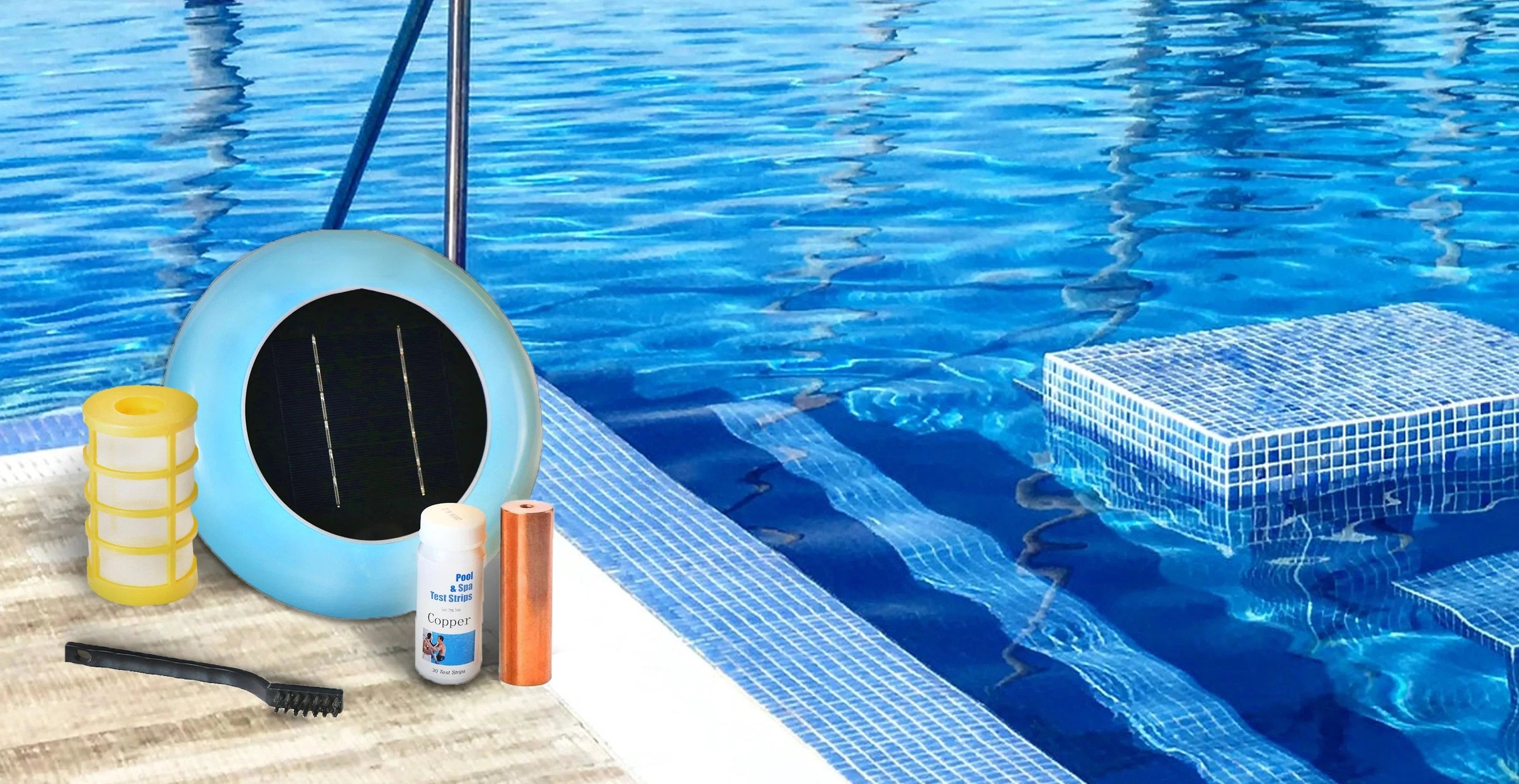
The protective basket and various accessory components play crucial roles in system operation despite their non-electrochemical functions, requiring periodic replacement to maintain optimal performance, safety, and reliability. Understanding basket degradation mechanisms, recognizing replacement indicators, and implementing proper installation procedures ensures continuous system protection and prevents secondary issues that could impact core components.
Protective Basket Degradation and Failure Analysis
Protective baskets experience multiple degradation mechanisms through normal operation, eventually compromising their debris exclusion capabilities and hydrodynamic characteristics. Ultraviolet radiation from continuous sun exposure represents the primary degradation factor for plastic baskets, causing polymer chain scission that reduces impact strength and creates surface crazing. Chemical exposure to chlorine, bromine, ozone, or other oxidizers accelerates polymer degradation through oxidation reactions that embrittle materials and cause discoloration. Physical stress from handling during cleaning, impact with pool walls, or freezing conditions can create cracks, broken mesh elements, or distorted mounting features that compromise functionality.
Progressive accumulation of mineral deposits, biological films, and organic contaminants represents another significant degradation mechanism, gradually reducing the open area available for water movement around the electrodes. This flow restriction creates stagnant zones where ion concentration becomes elevated while other areas receive inadequate treatment, reducing overall system efficiency. Additionally, basket deformation from improper storage, excessive force during cleaning, or manufacturing defects can create uneven clearances that allow debris contact with electrodes or impair proper system flotation. Regular inspection enables early identification of these issues before they significantly impact system performance or cause secondary damage.
Basket Replacement Indicators and Assessment Criteria
Recognizing the specific indicators of basket degradation enables timely replacement before performance becomes compromised. Visual inspection provides the most straightforward assessment method, with cracks, holes, or tears in the mesh representing clear replacement indicators. Significant deformation, distorted mounting features, or broken connection points compromise proper positioning and debris exclusion capabilities. Discoloration, surface crazing, or chalkiness indicates advanced UV degradation that typically precedes structural failure. Heavy mineral accumulation that resists standard cleaning methods reduces effective open area enough to impact water flow and ion distribution.
Performance-based indicators provide complementary evidence of basket issues, often manifesting as secondary symptoms rather than direct basket failure. Reduced ion distribution efficiency, evidenced by uneven water quality or localized algae growth, may indicate basket-related flow restrictions. Increased maintenance frequency, particularly more frequent anode cleaning requirements, suggests compromised debris exclusion. Changes in system flotation or orientation may indicate basket deformation affecting buoyancy characteristics. Physical interference between the basket and electrodes, audible during operation or visible during inspection, represents an immediate replacement requirement to prevent electrode damage. Systematic inspection during routine maintenance enables identification of these issues before they impact water quality or cause secondary component damage.
Comprehensive Accessory Maintenance and Replacement
Various accessory components require periodic inspection and occasional replacement to maintain system reliability, safety, and performance. Floating devices and buoyancy elements should be inspected for water absorption, compression set, or damage that could impair proper solar orientation. Electrical connections require verification of waterproof integrity, strain relief effectiveness, and corrosion resistance. Mounting hardware should be checked for corrosion, thread integrity, and proper tension maintenance. Quick-disconnect mechanisms, inspection windows, and other specialized features require functional verification during each maintenance session.
Replacement of accessory components typically follows observed degradation rather than predetermined schedules, with inspection frequency determined by component criticality and observed degradation rates. Electrical components and safety-related features warrant more frequent verification than cosmetic or convenience elements. Using manufacturer-approved replacement parts ensures dimensional compatibility, material suitability, and performance characteristics matching the original design specifications. Proper installation techniques, including correct torque application, appropriate sealant usage, and verification of operational function, ensure reliable performance and prevent premature failure. Documenting accessory replacements alongside primary component maintenance provides comprehensive system history that informs future maintenance decisions and identifies recurring issues requiring attention.

Monitoring Performance and Signs That Parts Need Replacement
Implementing a comprehensive performance monitoring program represents the most effective strategy for identifying component degradation before significant performance impacts occur, enabling proactive maintenance that prevents water quality issues and extends overall system lifespan. Systematic observation, regular testing, and detailed documentation provide the foundation for informed maintenance decisions and increasingly accurate prediction of replacement needs.
Systematic Performance Monitoring Protocols
Establishing regular monitoring protocols ensures consistent observation of key performance indicators that signal developing component issues. Visual inspection should occur at least monthly during peak season, examining electrodes for erosion patterns, scale accumulation, and physical damage. Performance verification through copper ion testing provides quantitative data regarding system effectiveness, with weekly testing recommended during initial system operation and monthly testing sufficient once baseline performance establishes. Water clarity assessment, chemical consumption tracking, and filtration performance monitoring provide complementary data that helps distinguish ionization issues from other system problems.
Operational characteristics offer valuable insights into system health, with changes in bubbling patterns, flotation behavior, or solar panel orientation potentially indicating developing issues. Energy efficiency monitoring, though more challenging in solar-powered systems, can sometimes identify increased electrical resistance manifested through reduced movement or altered operation patterns. Systematically documenting these observations creates performance baselines that make deviations more readily apparent, enabling early identification of issues before they significantly impact water quality. Seasonal performance variations should be expected and documented, with reduced efficiency during periods of limited sunlight representing normal operation rather than component failure.
Advanced Diagnostic Techniques and Troubleshooting
Beyond basic observation, several diagnostic techniques provide deeper insights into system performance and component condition. Electrical testing using a multimeter can verify circuit continuity, measure resistance across connections, and identify developing issues before they manifest as performance problems. Current measurement, while more complex in solar-powered systems, can quantitatively verify system operation compared to established baselines. Visual documentation through photographs during each maintenance session enables direct comparison over time, making gradual changes more apparent than memory-based assessments.
Performance restoration testing involves thorough component cleaning followed by quantitative performance measurement to distinguish between temporary issues resolvable through maintenance versus permanent degradation requiring component replacement. Comparative analysis between different pool areas can identify flow-related issues, with protected areas typically demonstrating better water quality than high-flow locations if ionization remains effective. maintaining pool water chemistry correlation analysis helps distinguish ionization issues from chemical balance problems that might produce similar symptoms. Implementing these diagnostic techniques systematically enables increasingly accurate identification of specific component issues rather than general performance degradation, guiding targeted maintenance interventions that address root causes rather than symptoms.
Proactive Maintenance Scheduling and Documentation
Transitioning from reactive to proactive maintenance represents the ultimate goal of comprehensive performance monitoring, enabling component replacement before significant performance degradation occurs. Establishing individual component histories through detailed documentation provides the foundation for predictive maintenance, with replacement intervals increasingly tailored to specific operating conditions and observed degradation rates. Maintenance logs should include installation dates, performance observations, cleaning activities, water chemistry parameters, and any unusual operating conditions that might accelerate component wear.
Developing customized maintenance schedules based on documented performance history typically proves more effective than generic manufacturer recommendations, which necessarily represent conservative averages across diverse operating conditions. Factors including pool volume, bather load, environmental conditions, water chemistry, and operational patterns all influence component lifespan in predictable ways that become apparent through systematic documentation. Seasonal maintenance planning ensures necessary components are available when needed, preventing extended downtime during peak swimming season. Additionally, maintaining inventory of critical replacement components based on observed lifespan and lead time requirements prevents emergency situations that might compromise water quality while awaiting parts.
Final Thoughts: Extending the Life of Your Solar Pool Ionizer
Maximizing solar ionizer lifespan while maintaining consistent performance requires integrated approach combining systematic maintenance, proactive component replacement, and comprehensive system care. Beyond simply replacing components as they wear, implementing strategic practices that reduce overall system stress, prevent unnecessary degradation, and optimize operational efficiency delivers substantial benefits in equipment longevity, performance consistency, and overall cost efficiency.
The ultimate goal of comprehensive solar polar ionizer maintenance extends beyond immediate performance preservation to encompass long-term value protection, operational sustainability, and continuous enjoyment of the pool environment. The modest investment in systematic maintenance and timely component replacement delivers substantial returns through extended equipment lifespan, reduced chemical consumption, minimized professional service requirements, and prevented water quality issues. Additionally, the environmental benefits of reduced chemical usage align with the original sustainable premise of solar ionization technology.
Viewing maintenance as an integral component of pool ownership rather than an inconvenient necessity transforms the approach from reactive problem-solving to proactive value preservation. The knowledge gained through systematic observation and maintenance activities increasingly enables precise prediction of needs, informed decision-making regarding replacement options, and confident troubleshooting when issues arise. This comprehensive approach ensures the solar ionization system delivers its full potential benefits throughout its operational lifespan, providing consistent, chemical-light water purification that enhances the swimming experience while protecting the equipment investment. Through attentive care and systematic maintenance, solar pool ionizers represent one of the most sustainable, efficient, and enjoyable approaches to modern pool water management.