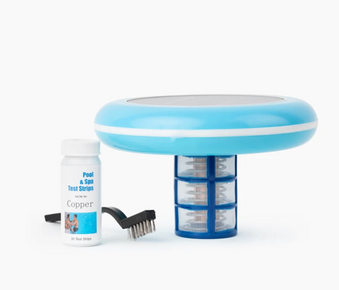
TL;DR: Farm pond algae can quickly transform a pristine water feature into a murky, oxygen-depleted problem zone. This comprehensive guide covers natural and chemical treatment methods, prevention strategies, and how solar ionization technology originally designed for pools like the 35,000-gallon solar pool ionizer can provide eco-friendly algae control for farm ponds. Discover how solar ionizers help with algae prevention and removal in various water applications beyond traditional swimming pools.
SEO Summary:
Discover effective farm pond algae treatment methods for 2026, including natural solutions, chemical treatments, and innovative solar ionization technology. Learn how to identify algae types, prevent blooms, restore water clarity, and maintain healthy pond ecosystems for livestock, irrigation, and aquaculture. This guide covers copper-based treatments, beneficial bacteria, aeration systems, and cost-effective strategies that save time and money while protecting water quality year-round.
Table of Contents
- Understanding Farm Pond Algae
- Types of Algae & Identification
- Treatment Methods: Natural vs. Chemical
- Solar Ionization for Pond Algae Control
- Prevention Strategies & Best Practices
- Seasonal Maintenance Schedule
- Final Thoughts & Recommendation
- Key Takeaways
Understanding Farm Pond Algae
Farm pond algae is one of the most common and frustrating challenges facing agricultural water management. While some algae presence is natural and even beneficial to pond ecosystems, excessive algae growth known as algal blooms can rapidly degrade water quality, deplete oxygen levels, harm fish populations, and create health hazards for livestock that depend on the pond for drinking water.
Why Algae Thrives
Algae growth is triggered by a combination of factors that are particularly common in agricultural settings. Nutrient loading from fertilizer runoff, manure, and organic debris provides the nitrogen and phosphorus that algae need to proliferate. Warm water temperatures during summer months accelerate algae reproduction, while stagnant water with poor circulation creates ideal conditions for blooms. Excessive sunlight penetration in shallow ponds or those lacking shade further fuels photosynthesis and algae growth.
Impact of Untreated Algae
Left unchecked, algae blooms create cascading problems throughout your pond ecosystem. Dense algae mats block sunlight from reaching beneficial aquatic plants, disrupting the natural balance. As algae die and decompose, they consume dissolved oxygen, leading to fish kills and foul odors. Some algae species produce toxins harmful to livestock, wildlife, and even humans. The aesthetic impact alone murky green water and slimy surfaces diminishes property value and usability of the water resource.
Types of Algae & Identification
Proper identification of the algae type affecting your pond is crucial for selecting the most effective treatment approach. Different algae species respond differently to various control methods, much like understanding how to prevent algae and keep water clear in any aquatic environment.
Planktonic Algae
Planktonic algae are microscopic, free-floating organisms that give pond water a characteristic pea-soup green appearance. This is the most common type of algae in farm ponds and typically indicates high nutrient levels. While unsightly, planktonic algae actually provide food for zooplankton and small fish, making them less problematic than other types when present in moderate amounts.
Filamentous Algae
Filamentous algae form long, hair-like strands that attach to rocks, plants, and pond edges. Often called "pond scum" or "moss," these algae create thick mats on the water surface and can clog pumps and irrigation equipment. They're particularly common in ponds with rocky bottoms or abundant shallow areas where they can anchor and grow.
Blue-Green Algae
Despite the name, blue-green algae are actually bacteria (cyanobacteria) that can produce dangerous toxins. They often appear as blue-green, olive-green, or reddish-brown scum on the water surface and may have a musty or grassy odor. This is the most dangerous type of algae bloom, requiring immediate attention to protect livestock and wildlife. Never allow animals to drink from ponds with suspected blue-green algae blooms.
Muskgrass
These algae resemble submerged plants and have a distinctive musky odor, hence the name "muskgrass." While technically algae, they're often mistaken for aquatic weeds. Chara and Nitella can be beneficial in small amounts as they compete with more problematic algae types, but excessive growth can still create issues.
Treatment Methods: Natural vs. Chemical
Farm pond algae treatment approaches fall into two main categories: natural/biological methods and chemical treatments. The best strategy often combines elements of both for comprehensive, long-term control.
Natural & Biological Treatments
Natural methods work with pond ecosystems rather than against them, providing sustainable long-term solutions with minimal environmental impact similar to the principles behind natural pool cleaning solutions.
Beneficial Bacteria
Beneficial bacteria products consume the same nutrients that algae need, effectively starving algae while improving water clarity and reducing organic muck. These bacteria are safe for fish, livestock, and wildlife, making them ideal for multi-use farm ponds. Apply regularly throughout the growing season for best results.
Barley Straw
As barley straw decomposes in water, it releases compounds that inhibit algae growth without harming other aquatic life. This traditional method is inexpensive and effective for prevention, though it works slowly and must be applied before algae blooms occur. Use approximately one bale per surface acre, replacing every 3-4 months.
Aeration Systems
Installing pond aerators or fountains increases dissolved oxygen levels, promotes water circulation, and disrupts the stagnant conditions algae prefer. Aeration also supports beneficial bacteria populations and helps prevent thermal stratification that can trigger algae blooms. Understanding how circulation supports proper maintenance is crucial for any water body. This is one of the most effective long-term prevention strategies.
Aquatic Plants
Introducing native aquatic plants creates competition for nutrients, shading the water and reducing algae growth. Plants like water lilies, cattails, and submerged vegetation absorb excess nitrogen and phosphorus while providing habitat for beneficial organisms. Aim for 40-60% plant coverage for optimal algae control.
Chemical Treatments
Chemical algaecides provide rapid knockdown of existing algae blooms but should be used judiciously to avoid harming beneficial pond life or creating water quality issues.
Copper-Based Algaecides
Copper sulfate and chelated copper products are the most common chemical treatments for pond algae. They're effective against most algae types and relatively affordable. However, copper can accumulate in pond sediments over time and may harm fish and invertebrates if overused. Always test water hardness before application, as copper toxicity increases in soft water.
Peroxide-Based Products
Hydrogen peroxide-based algaecides break down into water and oxygen, leaving no harmful residues. They're particularly effective against blue-green algae and work quickly, though they're more expensive than copper treatments. These products are safer for fish and livestock when used as directed.
Pond Dyes
Pond dyes don't kill existing algae but prevent future growth by blocking sunlight penetration. They're most effective in deeper ponds (6+ feet) and work best as a preventive measure combined with other treatments. Blue and black dyes are most common and can enhance pond aesthetics while controlling algae.
Treatment Considerations
- Treat Early: Address algae when blooms first appear rather than waiting for severe infestations
- Partial Treatments: Treat only 1/3 to 1/2 of the pond at a time to avoid oxygen depletion from massive algae die-off
- Water Testing: Test pH, hardness, and alkalinity before chemical treatments to ensure effectiveness and safety
- Livestock Safety: Follow label restrictions on livestock access to treated water, typically 24-72 hours
- Irrigation Concerns: Some treatments restrict use of pond water for irrigation; check labels carefully
Solar Ionization for Pond Algae Control
Solar ionization technology, originally developed for swimming pool sanitation, offers an innovative approach to farm pond algae control. This method uses solar energy to release copper and silver ions into the water, providing continuous algae suppression without electricity costs or frequent chemical applications. Learn more about what a solar pool ionizer is and how this technology works.
How It Works
Solar ionizers float on the water surface, using photovoltaic panels to generate a low-voltage current that passes through copper and silver electrodes. This releases mineral ions that destroy algae cells, prevent new growth, and provide residual protection. The RiverPure Solar Pool Ionizer exemplifies this technology with its efficient design and reliable performance.
Advantages for Ponds
Solar ionization offers several compelling benefits for agricultural applications. There are zero operating costs since the system is entirely solar-powered with no electrical connection required. The continuous ion release provides 24/7 algae control without daily monitoring or frequent reapplication. Copper and silver ions are natural minerals that break down safely without accumulating harmful residues. The systems require minimal maintenance just occasional cleaning and electrode replacement every 2-3 years. Perhaps most importantly, treated water remains safe for livestock, irrigation, and aquaculture when ion levels are properly maintained.
Sizing for Ponds
Farm ponds typically require multiple ionizer units for effective coverage. For ponds up to 45,000 gallons (approximately 1/8 acre-foot), a high-capacity 45,000-gallon ionizer may suffice. Larger ponds benefit from deploying multiple units, such as the bundle for high-capacity applications, strategically positioned to ensure even ion distribution. Calculate your pond volume (length × width × average depth × 7.48 for gallons) to determine how many units you'll need.
Installation & Monitoring
Position ionizers in areas with good sun exposure (6-8 hours daily) and natural water circulation from wind or inflow. Anchor units loosely to prevent them from drifting to pond edges where they're less effective. Test copper ion levels weekly during initial setup using solar pool ionizer test strips, targeting 0.2-0.4 ppm for algae control. This concentration is safe for fish and livestock but effectively suppresses algae growth. Adjust the number of units or their positioning based on test results and algae response.
Limitations
Solar ionization works best as part of an integrated management approach rather than a standalone solution. It's most effective for preventing algae growth and controlling moderate blooms, but severe existing infestations may require initial chemical treatment followed by ionization for maintenance. The technology is less effective in heavily shaded ponds or those with extremely high nutrient loading. Water circulation is important stagnant ponds may need aeration systems to distribute ions effectively throughout the water column.
Prevention Strategies & Best Practices
The most effective algae management strategy focuses on prevention rather than reactive treatment. By addressing the root causes of algae growth, you can maintain clear water with minimal intervention principles that apply whether you're managing a pond or maintaining pool water stability.
Nutrient Management
Controlling nutrient inputs is the single most important factor in algae prevention. Create vegetated buffer zones around pond edges to filter runoff before it enters the water. These buffer strips should be at least 10-15 feet wide and planted with native grasses or wetland plants that absorb nitrogen and phosphorus. Manage livestock access by fencing ponds and providing designated watering areas rather than allowing animals to wade throughout the pond, which stirs up sediments and adds waste directly to the water. Apply fertilizers judiciously on surrounding land, following soil test recommendations to avoid over-application. Consider diverting nutrient-rich runoff from barnyards, feedlots, and heavily fertilized fields away from the pond.
Proper Pond Design
Pond design significantly impacts algae susceptibility. Maintain adequate depth ponds should be at least 8-10 feet deep in the center to reduce sunlight penetration and prevent complete mixing during summer. Steep shorelines (3:1 slope or steeper) minimize shallow areas where algae thrive. Remove excess organic matter like leaves, grass clippings, and dead vegetation that decompose and release nutrients. Periodically dredge accumulated sediment from the pond bottom, as this organic muck serves as a nutrient reservoir fueling algae growth.
Biological Balance
A balanced pond ecosystem naturally resists algae blooms. Stock appropriate fish species grass carp consume certain algae types, while bluegill and other sunfish eat algae-feeding insects and help maintain balance. Introduce beneficial bacteria regularly during the growing season to compete with algae for nutrients. Maintain healthy populations of zooplankton and other microorganisms that graze on planktonic algae. Avoid overstocking fish, which increases waste and nutrient levels.
Water Quality Monitoring
Regular testing helps you catch problems before they become severe. Test pH monthly ideal range is 6.5-8.5 for most farm ponds. Monitor dissolved oxygen, especially during hot weather when levels naturally drop. Check nutrient levels (nitrogen and phosphorus) seasonally to identify trends. Observe water clarity using a Secchi disk visibility should extend at least 18-24 inches in a healthy pond. Keep records of test results to identify patterns and evaluate the effectiveness of your management strategies.
Seasonal Maintenance Schedule
Implementing a consistent seasonal maintenance routine keeps algae under control year-round and reduces the need for intensive treatments. These practices align with the importance of regular maintenance for any water feature.
Spring (March-May)
- Clean and restart aeration systems after winter shutdown
- Apply beneficial bacteria as water temperatures reach 50°F
- Install fresh barley straw before algae growth begins
- Test water quality and establish baseline measurements
- Inspect and clean solar ionizer units if using this technology
- Trim vegetation around pond edges and maintain buffer zones
- Stock grass carp if needed (requires permit in most states)
Summer (June-August)
- Monitor water quality weekly during peak algae season
- Apply beneficial bacteria every 2-4 weeks
- Run aeration systems continuously, especially during hot weather
- Test copper ion levels weekly if using solar ionizers
- Treat algae blooms promptly when they first appear
- Maintain adequate water levels through irrigation or well water addition
- Remove excess filamentous algae manually if accumulation occurs
- Limit livestock access during peak heat to reduce nutrient loading
Fall (September-November)
- Continue beneficial bacteria applications until water temperature drops below 50°F
- Remove fallen leaves and organic debris before they sink and decompose
- Replace barley straw if using this method
- Reduce aeration gradually as temperatures cool
- Conduct final water quality testing before winter
- Remove and store solar ionizers in freezing climates
- Apply fall fertilizer carefully on surrounding land to minimize runoff
Winter (December-February)
- Maintain aeration in ice-covered ponds to prevent fish kills
- Monitor for winter algae growth in mild climates
- Plan nutrient management strategies for the coming year
- Service and repair equipment during the off-season
- Review previous year's records and adjust management plan
- Order supplies for spring application, including solar pool ionizer replacement kits if needed
Final Thoughts & Recommendation
Effective farm pond algae treatment in 2026 requires a multi-faceted approach that combines prevention, monitoring, and targeted intervention. While chemical treatments provide quick results for severe blooms, the most sustainable long-term strategy integrates natural methods like beneficial bacteria, aeration, and aquatic plants with innovative technologies such as solar ionization.
For farm ponds, solar ionization offers a particularly attractive option for continuous algae suppression without ongoing chemical costs or labor-intensive applications. Systems originally designed for pools can be adapted for agricultural water bodies, providing eco-friendly control that's safe for livestock, irrigation, and aquaculture. Understanding how to choose a solar pool ionizer helps you select the right capacity and configuration for your specific pond size and conditions.
Success ultimately depends on addressing the root causes of algae growth excess nutrients, poor circulation, and inadequate biological balance. By implementing proper nutrient management, maintaining adequate pond depth and design, establishing vegetated buffer zones, and monitoring water quality regularly, you can create conditions that naturally resist algae blooms. The principles of eco-friendly cleaning practices apply equally to ponds and pools.
When treatment becomes necessary, choose methods appropriate for your pond's specific use—whether that's livestock watering, irrigation, aquaculture, or recreation. Consider starting with a proven system like the Vivlly Solar Pool Ionizer for smaller ponds, or scale up with multiple units for larger water bodies. Remember that patience and consistency are key. Natural methods take time to establish but provide lasting results, while chemical treatments offer immediate relief but require repeated applications. With proper planning and maintenance, you can maintain a clear, healthy farm pond that serves your agricultural needs for decades to come.
Key Takeaways
- Identify algae type before treatment: Planktonic algae, filamentous algae, and blue-green algae (cyanobacteria) require different control approaches, with blue-green algae posing the greatest health risk to livestock and requiring immediate attention.
- Prevention is more effective than treatment: Control nutrient inputs through vegetated buffer zones, managed livestock access, and careful fertilizer application to address the root causes of algae growth rather than constantly fighting symptoms.
- Combine natural and chemical methods: Integrate beneficial bacteria, barley straw, aeration systems, and aquatic plants with judicious use of copper-based or peroxide treatments for comprehensive, sustainable algae control.
- Solar ionization offers innovative control: Adapted from pool technology, solar ionizers provide continuous copper and silver ion release for 24/7 algae suppression with zero operating costs, making them ideal for remote farm ponds without electrical access.
- Proper pond design prevents problems: Maintain 8-10 feet depth in the center, steep shorelines (3:1 slope), and adequate circulation through aeration to create conditions that naturally resist algae blooms.
- Monitor water quality regularly: Test pH, dissolved oxygen, and nutrient levels monthly during growing season, targeting copper ion levels of 0.2-0.4 ppm if using ionization technology to ensure effectiveness without toxicity.
- Follow seasonal maintenance schedule: Apply beneficial bacteria in spring and summer, manage organic debris in fall, maintain winter aeration, and adjust strategies based on seasonal conditions and previous year's results for year-round algae control.
By consistently applying these strategies and tailoring interventions to your specific pond conditions, you can achieve long-term algae management that protects water quality, supports healthy aquatic ecosystems, and reduces risks to livestock. Combining proactive prevention, careful monitoring, and innovative technologies ensures that algae blooms remain under control while minimizing chemical reliance and environmental impact.