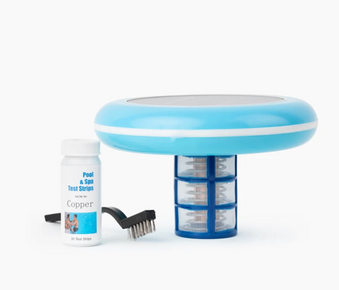
Swimming pools are more than just a luxury they are a space for relaxation, exercise, and socializing. Yet, maintaining a pool can be demanding. The vision of a carefree, sparkling oasis often collides with the reality of test kits, chemical jugs, and weekend scrubbing. Pool owners often face a relentless cycle of challenges: the precise balancing of water chemistry to keep it safe and comfortable, the physical labor of cleaning surfaces and filters, the constant battle against algae blooms that appear overnight, and the management of pool water hardness which can silently damage equipment and cloud the water. Solar-powered pool systems have emerged as a game-changing solution to this age-old burden. By harnessing the clean, abundant energy of the sun, these intelligent systems simplify pool maintenance from a complex chore into a managed process, dramatically reduce reliance on harsh chemicals, and empower pool owners to enjoy crystal-clear, algae-free water season after season with significantly less effort and greater peace of mind.
Table of Contents
- Why Solar Pool Systems Are a Game-Changer for Pool Owners
- The Science Behind Solar Pool Ionizers
- Top Benefits of Solar Pools for Cleaner, Safer Water
- Mastering Water Chemistry in Solar-Powered Pools
- Extending Equipment Life: Replacement Kits and Maintenance Tips
- Preventing Algae, Cloudy Water, and Managing Hardness
- Final Thoughts: Embracing the Future of Hassle-Free Pool Maintenance
1. Why Solar Pool Systems Are a Game-Changer for Pool Owners
Maintaining a traditional pool imposes a significant triple burden on owners: financial cost, time commitment, and constant stress. The expenses accumulate through constant chemical purchases chlorine, shock, algaecides, pH adjusters, and specialty products for hardness plus high electricity bills from running pumps for extended hours. The time demand is relentless, requiring a strict regimen of daily testing, weekly brushing and vacuuming, and monthly filter cleanings that can consume hours each week. The stress stems from the reactive, unpredictable nature of chemical-based care, where a single missed test or weekend away can lead to green algae outbreaks, cloudy water emergencies, or equipment damage from imbalanced chemistry.
Solar-powered pool systems, particularly solar pool ionizers, offer a transformative alternative by fundamentally changing how pools are maintained. Instead of the constant cycle of testing and chemical adjustment, these systems use sunlight to automate water treatment. Here's how they work and why they're different:
- Self-Powered Operation: A small solar panel converts sunlight into electricity that powers an ionization chamber installed in your pool's plumbing.
- Continuous Ion Release: This electrical current causes a copper electrode to release microscopic copper ions into the water continuously whenever the sun shines.
- Persistent Protection: These copper ions create a constant sanitizing presence that prevents algae growth and inhibits bacteria, working 24/7 even when chlorine levels might drop.
- Automatic Adjustment: The system produces more ions on bright, sunny days (when algae threat is highest) and less on cloudy days, naturally matching production to need.
The benefits of this approach are substantial and directly address the pain points of traditional maintenance:
- Dramatic Chemical Reduction: Copper ions prevent algae so effectively that chlorine use can be reduced by 50-80%, transforming chlorine from a primary sanitizer to a supplemental oxidizer for swimmer waste.
- Simplified Water Chemistry: With fewer chemicals being added, pH and alkalinity become remarkably more stable and easier to manage, requiring less frequent testing and adjustment.
- Lower Operating Costs: Significant savings on chemical purchases combined with reduced pump run time (cleaner water filters more easily) lead to noticeable financial relief.
- Extended Equipment Life: Reduced chemical corrosion and scale buildup mean heaters, pumps, filters, and pool surfaces last longer and require fewer repairs.
- Time Recovery: Maintenance shifts from hours of weekly work to minutes of monthly verification, giving owners back their leisure time.
- Environmental Benefits: By minimizing chemical use and operating on clean solar energy, these systems reduce the environmental impact of pool ownership.
This technology is particularly valuable for pool owners who want to protect both their investment and their time. It transforms the pool from a source of constant work and worry into the relaxing oasis it was meant to be. By harnessing free solar energy to provide continuous, natural water treatment, solar-powered systems eliminate the reactive emergency management of traditional care and replace it with proactive, automated protection that works quietly in the background, ensuring clean, clear, and healthy water with minimal owner intervention.

2. The Science Behind Solar Pool Ionizers
Solar pool ionizers operate on an elegantly simple yet highly effective principle that turns abundant sunlight into continuous pool protection. The entire process is a self-contained, automated system that requires no external power sources, complicated programming, or daily intervention from the pool owner. Its beauty lies in its direct transformation of solar energy into a persistent sanitizing presence in your pool water.
The system begins with its power source: a compact, waterproof solar panel. This panel is specifically designed to capture photons from sunlight and convert them into a low-voltage direct current (DC). Unlike large home solar systems that feed into your electrical grid, this panel exists solely to power the ionization process. Its output is perfectly matched to the needs of the system typically generating between 1.5 and 4.5 volts, which is ideal for the controlled electrochemical reaction that follows. The stronger the sunlight, the more electrical current is produced, creating a natural correlation between need (bright, algae-promoting days) and production (higher ion output).
This solar-generated electricity is then channeled through waterproof wiring to the heart of the system: the ionization chamber. This chamber is installed directly into your pool's plumbing, usually on the return line after the filter and heater. Inside this chamber are the two critical components that perform the actual water treatment:
- The Anode: This is a rod or cylinder made of high-purity copper, or sometimes a copper-silver alloy. It is connected to the positive terminal of the solar circuit, making it the "sacrificial" electrode. When the electrical current flows, it causes copper atoms at the anode's surface to oxidize they lose electrons and become positively charged copper ions (Cu²⁺). These ions are then repelled by the anode's positive charge and drift into the passing stream of pool water. This is a continuous, controlled erosion; the anode physically shrinks over time as it releases its material into the water to perform its sanitizing function.
- The Cathode: This is typically a rod made of a non-corrosive metal like stainless steel or titanium. It is connected to the negative terminal of the circuit. Its primary role is to complete the electrical circuit by receiving electrons. While it does not dissolve like the anode, it is essential for maintaining the proper electrical flow and voltage potential that drives the ion release from the anode. Think of it as the grounding rod that enables the entire process to work efficiently.
The copper ions released from the anode are the active agents of the system. They are incredibly small, measured in parts per million (typically maintaining a concentration of 0.2 to 0.4 ppm in the pool). Once in the water, they perform two vital functions:
- Algae Prevention: Copper ions are toxic to algae at a cellular level. They interfere with the enzymes algae need for photosynthesis and energy production, effectively starving them. They also prevent pool algae spores from successfully germinating. This creates an environment where algae simply cannot establish itself, eliminating green water, black spots, and slippery walls before they start.
- Bacteria Inhibition: Copper, and silver if present, have natural antimicrobial properties. The ions disrupt bacterial cell walls and interfere with their reproductive processes, reducing the overall pathogen load in the water and providing an extra layer of health protection.
The pool's existing circulation system then takes over. The ion-enriched water flows from the ionization chamber back into the pool through the return jets. The pump and filter, which you're already running, distribute these ions evenly throughout the entire body of water, ensuring no corner, step, or crevice is left unprotected. This circulation is crucial it prevents "dead zones" and ensures the ions contact every surface.
The defining advantage of this process is its continuity and automation. Unlike adding chlorine which creates a temporary spike that degrades rapidly the solar ionizer works whenever the sun shines. It provides a steady, background level of sanitation 24/7. The ions remain active in the water for weeks, creating a persistent protective barrier. This constant presence dramatically reduces the pool's dependency on large, frequent doses of traditional chemicals. Chlorine's role shifts; instead of being the sole defender constantly battling algae and bacteria, it becomes a focused oxidizer for breaking down non-living swimmer waste (sweat, oils, sunscreen), allowing it to be used at lower, safer concentrations (1-2 ppm instead of 3-5 ppm).
The result is a fundamentally different maintenance paradigm. The solar ionizer handles the persistent, preventative work automatically using free solar energy, while the owner's chemical additions become lighter and less frequent. This creates a swimming environment that is not only safe and hygienic but also more comfortable, with reduced chemical odors, less skin and eye irritation, and water that feels softer and more natural. It's a seamless integration of solar technology and basic electrochemistry that transforms pool care from a daily chore into an automated background process.

3. Top Benefits of Solar Pools for Cleaner, Safer Water
Solar-powered pool systems deliver a comprehensive suite of advantages that directly address the most persistent pain points of traditional pool ownership. These benefits work synergistically to transform the entire pool maintenance experience from a burdensome chore into a streamlined, cost-effective, and environmentally responsible process.
Guaranteed Algae-Free Water Through Continuous Cellular Warfare
The most immediate and visible benefit is the effective elimination of algae problems. This isn't achieved through periodic chemical attacks, but through a constant, low-level defense system. The copper ions released by the solar ionizer work at the most fundamental biological level. When an algae spore enters the pool, it encounters a water column saturated with positively charged copper ions (Cu²⁺). These ions are absorbed through the spore's cell wall. Once inside, they act as potent metabolic disruptors: they bind to and deactivate critical enzymes responsible for photosynthesis and energy production. The algae cell is essentially starved of energy at its source. Furthermore, copper ions interfere with the cell's reproductive machinery, preventing the spore from germinating and multiplying. Even at the very low, safe concentration maintained by the system (0.2-0.4 parts per million), this creates an environment that is fundamentally hostile to all common pool algae green, mustard, and black. The result is a pool that remains consistently clear and blue, with no sudden green blooms after a hot day or rainy period. Pool walls, floors, and steps stay free of the slippery, hazardous biofilm that algae colonies produce, enhancing both safety and aesthetics. This proactive prevention is far more effective and less labor-intensive than the reactive cycle of identifying algae and then treating it with algaecides and shock.
Dramatically Reduced Chemical Use and Enhanced Swimmer Comfort
Solar pool ionizers facilitate a major reduction in chemical dependency, which has a direct and positive impact on water quality and swimmer experience. Traditional maintenance requires high levels of chlorine (3-5 ppm) to maintain a residual strong enough to survive UV degradation and still sanitize. A solar ionizer changes this dynamic completely. By providing a continuous, UV-resistant sanitizing barrier of copper (and sometimes silver) ions, the system assumes the primary role of preventing biological growth. This allows chlorine levels to be safely and effectively lowered to 1-2 ppm. At this lower level, chlorine's role shifts from a primary sanitizer to a specialized oxidizer, focused on breaking down non-living organic contaminants like body oils, sweat, and sunscreen.
The impact of this chemical reduction is profound for swimmer comfort. The irritating compounds responsible for red, burning eyes and dry, itchy skin are not free chlorine itself, but chloramines chemical byproducts created when chlorine binds with nitrogen from sweat, urine, and other swimmer waste. High chlorine levels produce more chloramines. By lowering chlorine use, solar ionizers drastically reduce chloramine formation. Swimmers emerge from the water without the typical "chlorine smell" (which is actually the smell of chloramines) on their skin and hair. The water feels softer and more natural, not harsh or tingling. This makes swimming more enjoyable for everyone, especially for children, individuals with sensitive skin, or those who swim frequently.
Simplified and Less Frequent Maintenance Routines
The automation and preventative nature of solar ionization streamline virtually every aspect of pool upkeep. Because algae is prevented rather than treated, the time-consuming tasks of scrubbing green walls, vacuuming algae debris, and applying algaecides are eliminated. The water's inherent clarity means the filter isn't constantly clogged with algae, so backwashing or cleaning cartridges becomes less frequent. With more stable pool water chemistry (due to fewer chemical additions), testing can move from a daily necessity to a 2-3 times per week check. The constant battle to adjust pH driven by adding acidic chlorine tablets or basic liquid chlorine is minimized. Managing water hardness also becomes simpler; with less scale-forming chemistry in play and copper ions that can mildly interfere with calcium crystallization, scale buildup on tiles and in heaters is reduced. Maintenance shifts from a reactive, labor-intensive "firefighting" mode to a proactive, monitoring-based routine that may take just 30-60 minutes per week instead of several hours.
Genuine Eco-Friendly Operation from Power to Discharge
The environmental benefits of a solar-powered pool system are multi-layered and significant. First, the energy source is 100% renewable and clean sunlight. The system operates completely off-grid, adding no load to your home's electrical system and creating zero operational carbon emissions. Second, by drastically reducing the volume of chemicals needed chlorine, algaecides, shock, and balancers the system minimizes the environmental footprint associated with the manufacturing, packaging, and transportation of these products. Third, it reduces the chemical discharge into the environment. Every time a pool is backwashed or partially drained, the chemical-laden water enters the local watershed. Solar-ionized pools have a much lower concentration of chlorine byproducts and synthetic algaecides in this discharge, making it less impactful on plants, aquatic life, and groundwater. This holistic approach supports a more sustainable lifestyle without compromising pool hygiene.
Substantial Long-Term Cost Savings Across Multiple Categories
The financial advantages accumulate steadily and impact several areas of pool ownership. The most direct savings come from the chemical budget. Reducing chlorine use by 50-80%, eliminating algaecide purchases, and needing less shock and pH adjuster can save a typical pool owner $300 to $800 per season. Energy costs are also lowered. Cleaner, ionized water places less strain on the filtration system; filters stay cleaner longer, and pump run time can often be reduced by 1-3 hours per day without sacrificing clarity, leading to noticeable savings on electricity bills. Equipment longevity represents another major area of savings. Reduced chemical corrosion and scale buildup mean heaters, pumps, automatic cleaners for pool, and pool surfaces (liners, plaster) last significantly longer and require fewer repairs or premature replacements. Finally, there is the value of time recovered. While not a direct monetary saving, the many hours each month no longer spent on intensive pool care have real value, allowing owners to actually enjoy their investment. Over 5-10 years, the combined savings from chemicals, energy, equipment preservation, and time can easily exceed the initial cost of the solar ionizer system, making it a financially sound investment that pays for itself while delivering superior results.

4. Mastering Water Chemistry in Solar-Powered Pools
Understanding and managing water chemistry is the fundamental science behind a healthy, clear, and safe swimming pool. It is the critical framework that determines whether a pool is a sparkling oasis or a problematic, cloudy liability. While solar pool ionizers provide a powerful, automated tool for biological control (algae and bacteria), they operate within and depend upon this chemical framework. The ionizer is a brilliant partner in pool care, but it does not replace the need for the pool owner to understand and steward the basic chemical balance of the water. Mastery of a few key parameters transforms pool maintenance from guesswork into a predictable, manageable science.
The Three Pillars of Pool Water Balance
1. pH Level: The Master Controller
pH measures how acidic or basic the water is on a scale of 0 to 14. For pools, the ideal range is 7.4 to 7.6. This is critical because pH controls nearly every other chemical process. If pH is too low (below 7.2), water becomes corrosive, etching plaster, corroding metal equipment, and irritating swimmers' eyes and skin. If pH is too high (above 7.8), it cripples chlorine's effectiveness even with proper chlorine levels, sanitizing power can drop by 70%. A solar ionizer works best in stable water, and proper pH is key to that stability.
2. Total Alkalinity: The Stability Buffer
Total Alkalinity (TA) acts as a shock absorber for pH. The ideal range is 80-120 ppm. If TA is too low, pH becomes erratic and uncontrollable, bouncing with every chemical addition. If TA is too high, pH gets "locked" at a high level and contributes to cloudiness. Proper TA creates the stable environment where both solar ionizers and supplemental chlorine can work predictably and efficiently.
3. Calcium Hardness: The Equipment Protector
Calcium Hardness (CH) measures dissolved minerals in the water. The ideal range is 200-400 ppm. If CH is too low, water becomes "aggressive" and will leach calcium from pool surfaces, causing permanent etching. If CH is too high, water becomes "scaling," depositing hard, white calcium deposits on tiles, plumbing, and heater elements that can lead to equipment failure. Correct hardness directly protects your pool equipment investment.
How Solar Ionizers Work With Water Chemistry
A solar ionizer doesn't replace water chemistry management it complements it. Here's how they work together:
- Ionizers reduce chlorine use, which means fewer pH swings from acidic or basic chlorine products
- Proper pH ensures any supplemental chlorine works effectively alongside copper ions
- Correct water hardness prevents scale from coating the ionizer's components
- The copper ions handle biological prevention while balanced chemistry handles water integrity
The Result: Crystal Clear Water with Minimal Effort
By understanding and maintaining pH, alkalinity, and hardness while using a solar ionizer for algae and bacteria control pool owners create a synergistic system. Cloudy water (often caused by chemical imbalances) is prevented. Algae outbreaks are stopped before they start. Equipment lasts longer. The water feels better on skin and eyes. This knowledge transforms pool care from constant problem-solving into simple monitoring, leaving more time for enjoyment and less for maintenance.

5. Extending Equipment Life: Replacement Kits and Maintenance Tips
Even with the advanced, self-sufficient nature of solar-powered pool systems, proper and proactive maintenance of the equipment itself remains absolutely essential for long-term success. While these systems dramatically reduce the daily chemical workload, they are not maintenance-free appliances. They are precision devices with specific consumable parts that operate in a demanding aquatic environment. Understanding and adhering to a simple maintenance schedule is what separates owners who enjoy years of trouble-free performance from those who wonder why their "magic box" stopped working after one season.
The Reality of Wear: Consumable Parts in a Hostile Environment
A solar ionizer is an electrochemical device, and its operation inherently involves gradual consumption and exposure. The anode the copper or copper-silver rod is literally designed to be sacrificed. As it releases ions into the water to sanitize your pool, it physically erodes, becoming smaller and thinner over time. This is its intended function, but it means the anode has a finite lifespan, typically one to two swimming seasons depending on pool size and sun exposure. A spent anode might only be a fraction of its original size, and its ion output becomes a mere trickle, leaving your pool unprotected even if the unit's indicator light is on.
Simultaneously, the cathode the companion electrode faces a different challenge. While it doesn't dissolve, it attracts mineral scale and oxidation from the pool water. A thick, insulating crust of calcium carbonate can form on its surface, acting like a blanket that chokes the electrical flow between the electrodes. This drastically reduces the system's efficiency, as more solar energy is wasted overcoming this resistance rather than producing ions.
The solar panel, though durable, is not immune. A layer of dust, pollen, bird droppings, or even hard water spots can reduce its ability to convert sunlight into electricity by 20% or more. The plastic housing and protective basket are subjected to constant UV radiation, chlorine exposure, and water pressure, which can lead to brittleness, cracking, or clogging over several seasons.
The Solution: Systematic Maintenance and Replacement Kits
The solution to this inevitable wear is not complicated or expensive, but it requires consistency. This is where replacement kits become invaluable. A high-quality replacement kit collection is essentially a "service pack" that contains all the key consumable components:
- A new anode to restore full ion production capacity
- A cleaned or new cathode to re-establish optimal electrical flow
- A new protective basket/housing to ensure proper water flow and structural integrity
- New seals and hardware to prevent leaks and ensure a tight fit
Installing a complete kit annually, typically at the opening of the pool season, performs a total system reset. It returns the ionizer to its original factory specifications, guaranteeing maximum performance for the coming months. For the cost of a few bottles of algaecide, you renew the core sanitizing engine of your pool.
The Compounding Benefits of Regular Maintenance
Committing to this simple maintenance routine delivers compounding benefits that extend far beyond the ionizer itself:
- Optimal Performance & Pool Protection: A well-maintained ionizer delivers consistent, reliable ion output. This keeps copper levels stable in the ideal 0.2-0.4 ppm range, providing uninterrupted algae and bacteria prevention. Your pool stays cleaner, and your chlorine use remains low and effective.
- Extended Equipment Longevity: Regular maintenance of your pool prevents small problems from becoming big ones. Replacing an anode before it's completely spent prevents erratic performance. Cleaning scale off the cathode prevents permanent damage. Swapping a brittle basket before it cracks avoids debris damaging the electrodes. This care can extend the life of the entire ionizer unit to a decade or more.
- Cost Savings Through Prevention: This is a classic "ounce of prevention" scenario. Spending $60-$120 on an annual replacement kit prevents the $300+ cost of a new ionizer unit. More importantly, it prevents the hundreds of dollars in emergency chemicals, algae treatments, and potential equipment repairs that result from a failed sanitizing system.
- Consistent Water Balance & Swimmer Safety: A reliably functioning ionizer is the cornerstone of stable, low-chemical pool water. It prevents the wild chemistry swings that occur when pools get algae outbreaks. This consistency directly translates to safer, more comfortable water for swimmers, free from the irritation of corrective chemical shocks.
In essence, maintaining your solar pool equipment is the final, crucial step in the low-maintenance promise. The system automates the chemistry, but you steward the hardware. By investing 30 minutes once a year to install a replacement kit and performing occasional visual checks, you secure the performance of the entire system. This small discipline ensures your pool remains consistently clean, balanced, and inviting transforming solar technology from a novel gadget into a dependable, long-term partner in effortless pool ownership.

6. Preventing Algae, Cloudy Water, and Managing Hardness
For every pool owner, preventing algae is the fundamental, non-negotiable battle that defines a successful season. Algae turns crystal-clear water green, coats surfaces in dangerous slime, clogs filters, and consumes sanitizers at an alarming rate. Solar ionizers excel as the primary defense in this battle by providing continuous, proactive protection. Unlike chlorine, which degrades in sunlight, the copper ions released by the ionizer remain active 24/7, creating a persistent environment that is toxic to algae at the cellular level. This constant, background barrier prevents spores from ever successfully germinating and establishing colonies, effectively stopping algae problems before they become visible. This transforms maintenance from reactive crisis management (treating green water) to proactive system oversight.
The Persistent Challenge of Cloudy Water
While a solar ionizer effectively solves the biological problem of algae, it does not automatically solve the physical problem of cloudy or hazy water. Cloudiness is not typically caused by live algae in a properly sanitized pool; instead, it is a symptom of imbalances in water chemistry or mineral content. This haze is caused by millions of microscopic particles suspended in the water that scatter light. These particles can come from several sources that ionization alone doesn't address:
- Imbalanced Calcium Hardness: If the water's calcium level is too high (above 400 ppm), it can become super-saturated. The excess calcium seeks to precipitate out of solution, forming microscopic crystals of calcium carbonate that remain suspended, creating a permanent, whitish haze.
- Poor pH and Alkalinity Control: High pH (above 7.8) can cause existing dissolved minerals to cloud. Low alkalinity leads to pH instability, which can cause similar precipitation events. Both states prevent other chemicals, including any supplemental chlorine, from working effectively.
- High Total Dissolved Solids (TDS): Over time, all chemicals added to a pool accumulate as dissolved solids. Very high TDS (over 2000 ppm) can cause water to lose its sparkle and appear dull or milky, as the dense ion content scatters light.
- Ineffective Filtration: Dead algae cells, dust, pollen, and other fine debris that the copper ions may have clumped together must be physically removed by the filter. A dirty, clogged, or undersized filter will fail to polish the water to clarity.
The Critical Role of Water Hardness Management
Properly managing water hardness is arguably the most important chemical factor for preventing cloudy water and protecting equipment. Hardness refers to the concentration of dissolved calcium and magnesium ions. This parameter must be actively maintained in the ideal range of 200-400 ppm.
Consequences of Ignoring Hardness:
- Low Hardness (Below 200 ppm): The water is chemically "aggressive" or "hungry." It will seek to dissolve calcium to reach equilibrium, and it will source this calcium from your pool's plaster, gunite, or tile grout. This causes permanent etching, pitting, and surface deterioration. The dissolved plaster itself can cloud the water.
- High Hardness (Above 400 ppm): The water is "scaling." It holds more calcium than it can keep in solution. The excess precipitates as solid calcium carbonate scale. This scale forms on everything: as a rough crust on tile lines, as an insulating blanket inside your heater (causing overheating and failure), and as microscopic particles that cause persistent cloudiness. Scaling water often looks perpetually hazy and dull.
How Hardness Affects Chemical Efficacy: Incorrect hardness also undermines your entire chemical program. In scaling water, chlorine and other chemicals bind to the excess mineral particles, reducing their availability and effectiveness. This can create a frustrating scenario where you add chemicals but see no improvement in water quality.
The Integrated Solution: Ionization + Proactive Chemistry
The path to a perpetually clear and safe pool is a dual-strategy approach that leverages the strengths of both technologies:
- Let the Solar Ionizer Handle Biology: Rely on the continuous copper ion output to prevent all forms of algae. This removes the biggest, most common cause of green water and slimy surfaces.
-
Take Ownership of Water Chemistry: Commit to a simple weekly testing routine for pH, Total Alkalinity, and Calcium Hardness. Use this data to make small, corrective adjustments:
- Use muriatic acid to lower high pH.
- Use baking soda (sodium bicarbonate) to raise low alkalinity.
- Add a calcium hardness increaser if levels are too low, or partially drain and refill with softer water if levels are too high.
- Maintain the Mechanical System: Ensure your filter is clean and your pump runs long enough each day (8-12 hours in summer) to turn over the entire pool volume. This physically removes the particles that cause cloudiness.
- Use Supplemental Chlorine Strategically: With algae controlled by ions, use a small amount of chlorine (1-2 ppm) to oxidize non-living swimmer waste (sweat, oils, sunscreen) that the ionizer doesn't address. This keeps the water "fresh" and prevents chloramine buildup.
This combined methodology is powerful. The solar ionizer provides the automated, relentless biological defense. The owner's careful management of hardness and pH ensures the water's physical and chemical integrity. The result is a pool that achieves true, sustainable clarity not just the absence of algae, but water that is brilliantly clear, balanced, and inviting. It is visually perfect and hygienically sound, creating an environment that is as safe and comfortable for swimmers as it is beautiful to look at. This integrated approach represents the modern standard for efficient, effective pool care.
7. Final Thoughts: Embracing the Future of Hassle-Free Pool Maintenance
Solar pool ionizer systems represent the future of sustainable, low-maintenance pool care, signaling a decisive shift away from the resource-intensive and chemically dependent practices of the past. They embody a smarter approach to backyard leisure, where technology works silently with nature to create a harmonious, self-regulating aquatic environment. For the modern pool owner, these systems deliver a triple promise: superior water quality achieved with minimal effort, significant long-term cost savings, and a substantially reduced environmental footprint. They move pool ownership from a state of constant management to one of simple oversight, where the pool serves its true purpose as a source of relaxation rather than a source of chores.
The efficiency of solar pool systems lies in their elegant division of labor. They automate the most demanding and unpredictable task biological contamination control by using sunlight to power a continuous ion release that prevents algae and suppresses bacteria. This automation allows owners to focus their maintenance efforts on the more predictable, stable aspects of water chemistry: monitoring and adjusting pH, alkalinity, and hardness. This focused approach is far more manageable than the old model of fighting algae outbreaks while simultaneously trying to stabilize chaotic chemistry. By understanding these core chemical principles and maintaining proper pool pH balance, owners unlock the full potential of their solar system, creating water that is not just sanitized, but truly balanced and comfortable.
The longevity and reliability of this sustainable model depend on a simple but crucial practice: proactive equipment care. Solar ionizers, like any precision tool, have consumable parts. The sacrificial anode that releases ions will erode; the cathode can become scaled; the housing can become brittle. This is not a flaw, but a design feature. By using manufacturer-replacement kits to refresh these components annually or as needed, owners ensure their system operates at peak efficiency season after season. This small investment in preventative maintenance protects the larger investment in the pool itself, preventing the equipment failures and performance declines that lead to cloudy water, algae comebacks, and costly emergency repairs.
Ultimately, investing in solar pool technology transcends a mere practical upgrade. It is a forward-thinking declaration of how modern households can enjoy luxury amenities responsibly. It combines a clear environmental ethic harnessing clean energy and slashing chemical use with the practical desire for a simpler, more enjoyable lifestyle. It represents a move toward harmonious living where technology doesn't complicate life, but simplifies it, allowing pool owners to spend their summers swimming in crystal-clear water rather than wrestling with it, secure in the knowledge that their oasis is as gentle on the planet as it is on their time and budget.