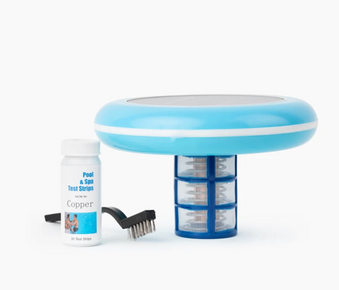
TL;DR: Solar pool ionizers are revolutionizing pool maintenance by 2026, offering chemical-free sanitization, advanced automation, and integration with smart home systems. These devices use solar power to release mineral ions that eliminate algae and bacteria, providing a sustainable, cost-effective, and skin-friendly alternative to traditional chlorine, shaping the future of efficient and eco-conscious pool care.
SEO Summary: Explore the 2026 evolution of pool care with solar pool ionizers. This guide covers next-gen sanitization technology, smart integration, mineral balancing, cost-benefit analysis, and environmental impact, showcasing how solar ionizers provide a chlorine-free, automated, and sustainable future for maintaining crystal-clear, healthy swimming pools.
Table of Contents
- The 2026 Paradigm Shift in Sanitization
- Next-Generation Solar Ionizer Technology
- Smart Home and Automation Integration
- Advanced Mineral Balancing Science
- 2026 Cost-Benefit and ROI Analysis
- Environmental and Sustainability Impact
- Implementation and Future-Proofing Your Pool
- Challenges and Considerations
- Conclusion and key takeaways
The 2026 Paradigm Shift in Sanitization
The pool care industry is undergoing a fundamental transformation. By 2026, the reliance on traditional, chemically-intensive methods is rapidly giving way to smarter, sustainable solutions. Homeowners are increasingly seeking alternatives that reduce chemical handling, lower long-term costs, and minimize environmental impact. Solar pool ionizers are at the forefront of this shift, moving from a supplementary tool to a primary sanitization system for modern pools.
This change is driven by greater awareness of chlorine's drawbacks skin and eye irritation, strong odors, volatile organic compound (VOC) emissions, and the constant need to rebalance water chemistry. In contrast, solar ionizer technology offers a "set-and-forget" approach, using naturally occurring minerals to maintain a consistently healthy aquatic environment. The 2026 paradigm is defined by efficiency, automation, and harmony with the ecosystem.
The result is a new standard in pool ownership: water that is not just clear, but also silky-soft, odor-free, and gentle enough for sensitive swimmers. This shift represents more than a trend; it's a reevaluation of what it means to maintain a healthy pool, prioritizing long-term sustainability and swimmer comfort over short-term chemical fixes.
Next-Generation Solar Ionizer Technology
The solar pool ionizers of 2026 are leaps ahead of earlier models. Advanced photovoltaic cells now offer 40% greater efficiency, capturing solar energy even on overcast days and storing it in integrated, long-life batteries for 24/7 operation. The core innovation lies in the ion generation chambers, which utilize nano-coated, self-cleaning electrodes made from proprietary alloys. These electrodes release a precise, optimized blend of copper and silver ions at a rate automatically adjusted to pool volume and usage.
Smart sensors continuously monitor ion concentration (measured in parts per billion) and water parameters like temperature and total dissolved solids (TDS). This data allows the system to modulate output, preventing over-mineralization (which can cause staining) or under-dosing. The latest models also feature advanced water chemistry probes that communicate with the ionizer, creating a fully responsive sanitization ecosystem.
Key Feature: Look for 2026 models with "Adaptive Burst Technology," which releases a concentrated ion surge after heavy swimming loads or rain events, proactively combating contaminants before they can take hold.
Smart Home and Automation Integration
In 2026, a pool ionizer is no longer a standalone device but an integrated node in your home's smart ecosystem. Using Wi-Fi 6E or Thread protocols, modern ionizers seamlessly connect with platforms like Apple Home, Google Home, and Amazon Alexa. Pool owners can monitor mineral levels, solar battery status, and system health from a unified dashboard on their smartphone or smart display.
Automation is the true game-changer. The system can sync with smart pool pumps and filters, increasing circulation when ion output is high. It can receive weather forecast data to preemptively adjust settings before a storm. It can even integrate with pool usage calendars detecting via smart sensors when the pool is heavily used during a weekend party and automatically initiating a post-event purification cycle. Voice commands like "Alexa, check pool mineral levels" or "Hey Google, run a solar ionizer diagnostic" make management effortless.
Pro Tip: Future-proof your purchase by choosing ionizers with open API access, allowing for integration with upcoming smart home standards and third-party pool automation systems.
Advanced Mineral Balancing Science
The science behind mineral sanitization has become highly refined. Research by 2026 has established optimal ion ratios (typically a 60:40 copper-to-silver blend) that maximize algae prevention and broad-spectrum bacterial control without risking metal precipitation. These ions work through the "oligodynamic effect," where trace amounts disrupt the cellular processes of microorganisms, rendering them harmless.
Modern systems include integrated "mineral guardians" or chelating agent dispensers. These agents bind to minerals, keeping them in solution and actively preventing them from depositing on pool surfaces as unsightly stains. This solves one of the historical concerns with ionizer use. Furthermore, the synergy between minerals and a drastically reduced chlorine demand (often 80-90% less) creates uniquely stable water. The pH remains more constant, calcium scaling is reduced, and the water feels noticeably softer, eliminating the "chemical pool" sensation.
Note: While highly effective against algae and bacteria, local health codes in 2026 may still require a minimal, measurable residual sanitizer (like a 0.5 ppm chlorine level) alongside ionizers, which the smart systems are designed to maintain automatically.
2026 Cost-Benefit and ROI Analysis
The financial argument for solar ionizers is stronger than ever. The initial investment in a premium 2026 system ($500-$1200) is offset by dramatic operational savings. The primary saving is the elimination of 80-95% of chlorine or bromine purchases, which, with rising chemical costs, can amount to $600-$1,200 annually for a typical pool. Secondary savings come from reduced need for pH adjusters, algaecides, shock treatments, and clarifiers.
Solar power eliminates electricity costs for operation. The ROI period typically ranges from 1 to 2 swimming seasons. Beyond direct savings, long-term benefits include extended equipment lifespan (as corrosive chemicals are minimized), reduced water replacement frequency due to better stability, and increased property appeal. For new pool construction, incorporating an ionizer can reduce the size and cost of traditional sanitization equipment needed.
- Year 1: Initial investment. Chemical costs drop by ~80%.
- Year 2-5: Pure savings period. Payback achieved. Only expense is occasional electrode replacement (~every 3-5 years).
- Year 6+: Significant cumulative savings, enhanced by avoided costs from equipment corrosion and water waste.
Environmental and Sustainability Impact
The environmental credentials of solar ionizers align perfectly with 2026's focus on sustainable living. By slashing chlorine use, these systems prevent the introduction of chlorinated compounds (like chloramines) into the environment through backwashing or pool drainage. This protects local watersheds, soil quality, and groundwater. The solar-powered operation has a net-zero carbon footprint for pool sanitization, reducing a household's overall energy draw.
Furthermore, the reduction in chemical manufacturing demand, packaging (plastic jugs, bags), and transportation contributes to a lower overall carbon footprint for the pool industry. Pool water treated primarily with minerals lasts longer before needing replacement, conserving a vital resource. For the eco-conscious swimmer, it represents a closed-loop system: using the sun's energy to release earth-friendly minerals that create a healthy swimming environment, which in turn has a minimal impact on the earth.
Big Picture: In regions with water-use restrictions or high environmental standards, pools using solar ionizer systems may qualify for "green pool" certifications or even local tax incentives, adding another layer of benefit.
Implementation and Future-Proofing Your Pool
Transitioning to a solar ionizer-centric system in 2026 is straightforward. For existing pools, it's a retrofitting process: selecting the correctly sized unit, installing the flow cell in the filtration return line, and mounting the solar panel in a sun-drenched location. The smart controller is then connected to power and Wi-Fi. The key step is the initial "mineral charge," where the system runs intensively to establish the proper ion level, after which it maintains it automatically.
To future-proof your pool, consider it as part of a holistic upgrade. Pair your ionizer with a variable-speed pump for optimal circulation, a large cartridge filter for superior particle removal, and a smart controller that manages everything. Ensure your pool builder or service company is knowledgeable about mineral-based water balance. Adopting this technology now not only upgrades your current pool experience but also positions your pool as a modern, low-maintenance asset that will remain desirable and efficient for years to come.
First Step: Begin with a comprehensive water test to understand your baseline chemistry. Then, consult with a specialist to choose an ionizer model with the smart features and capacity that match your pool's specific volume, climate, and usage patterns.
Challenges and Considerations
While the future is promising, adopting any new technology comes with considerations. The effectiveness of solar ionizers can be slightly reduced in pools with very high calcium hardness or total dissolved solids, as minerals may compete. In areas with extremely limited sunlight for extended periods, the battery backup becomes critical, and supplemental power might occasionally be needed. Homeowners must be diligent about occasional electrode inspection and cleaning to ensure peak performance.
There is also a knowledge gap. Moving away from the familiar chlorine test strip requires understanding how to test for mineral ions (with specific test kits) and trusting the automated system. Some local health departments are still catching up with the technology and may have specific codes about supplemental sanitizers. Finally, while staining is largely mitigated by modern chelating systems, it remains a possibility if water balance is severely neglected or if the ionizer malfunctions and over-produces.
The Solution: Education and professional support. Reputable manufacturers in 2026 offer extensive online resources, video tutorials, and access to certified technicians who can help navigate these considerations and ensure a smooth, successful transition.
Conclusion
The future of pool care, as seen in 2026, is intelligent, sustainable, and centered on swimmer well-being. Solar pool ionizers are no longer an alternative novelty but a mainstream technological cornerstone that delivers on all fronts: unparalleled water quality, significant cost savings, effortless automation, and a dramatically reduced ecological footprint. By harnessing the power of the sun and the proven efficacy of minerals, they free pool owners from the burdens of chemical management and create a more natural, enjoyable swimming experience.
Embracing this technology is an investment in a cleaner, simpler, and more sustainable approach to pool ownership. As innovation continues, integrating with broader smart home ecosystems and refining mineral science, solar ionizers are set to define the standard for healthy pools for decades to come. The journey towards a chlorine-light, crystal-clear, and eco-friendly pool is not just a possibility for the future it is a readily available reality today, promising endless, worry-free swimming seasons ahead.
Key Takeaways
- Solar pool ionizers represent a 2026 paradigm shift, moving from supplementary tools to primary, chlorine-free sanitization systems centered on sustainability and swimmer comfort.
- Next-generation technology features highly efficient solar cells, smart sensors, self-cleaning electrodes, and adaptive output control for precise, automated mineral management.
- Full integration with smart home ecosystems (Apple Home, Google, Alexa) enables remote monitoring, voice control, and automated responses to weather and pool usage.
- Advanced mineral science utilizes optimal copper-silver ratios and chelating agents to maximize algae/bacteria prevention while eliminating staining concerns.
- The financial ROI is compelling, with initial costs typically recouped in 1-2 seasons through 80-95% reductions in chemical purchases and operational energy savings.
- Environmental impact is significantly reduced by eliminating chlorine byproducts, using renewable solar energy, and conserving water through more stable pool chemistry.
- Successful implementation requires proper sizing, installation in the filtration line, and understanding of mineral testing, while future-proofing involves pairing with variable-speed pumps and smart controllers.
- Addressing challenges like low sunlight conditions, local health codes, and occasional maintenance ensures optimal performance and compliance.
The evolution of pool care is here, offering a smarter way to maintain pristine water. By adopting solar ionizer technology, you're not just upgrading your pool you're investing in a system that prioritizes health, efficiency, and environmental responsibility for years to come.