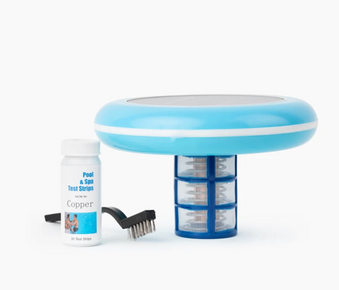
Comprehensive swimming pool maintenance represents a complex ecosystem of interconnected responsibilities, ranging from precise water chemistry management and filtration system optimization to surface cleaning and equipment preservation. Among these numerous maintenance considerations, one crucial aspect frequently escapes adequate attention: the operational condition of internal components within solar pool ionization systems. As these sophisticated electrochemical devices operate continuously throughout the swimming season, their critical internal elements inevitably experience progressive material degradation, mineral accumulation, and performance diminishment that fundamentally compromises their water purification capabilities.
Premium replacement kits serve an essential function that extends far beyond simple component substitution, directly influencing multiple aspects of water quality through systematic restoration of ionization efficiency, hydraulic performance, and electrochemical stability. These comprehensive kits substantially enhance water clarity, stabilize sanitization parameters, optimize ion production characteristics, and prevent debris accumulation through precision-engineered components manufactured to exacting specifications. This exhaustive technical guide explores the multifaceted ways in which high-quality replacement kits contribute to superior cleaning performance and explains why they represent a critical investment for every pool owner dedicated to maintaining consistently clear, healthy swimming water through solar ionization technology.
Table of Contents
- How Replacement Kits Support Overall Pool Cleanliness
- Why High-Quality Components Perform Better Than Basic Replacements
- How New Anodes Improve Mineral-Based Sanitation
- The Role of Replacement Baskets in Cleaner Water
- How Fresh Hardware Enhances Ion Flow and Debris Control
- Long-Term Cleaning Benefits of Regular Kit Replacement
- Final Thoughts: Why High-Quality Replacement Kits Improve Pool Cleaning Results
1. How Replacement Kits Support Overall Pool Cleanliness
Solar pool ionizers function through controlled electrochemical release of copper ions into the aquatic environment, establishing conditions fundamentally hostile to algal proliferation while simultaneously reducing particulate cloudiness and supporting comprehensive water sanitation. However, this sophisticated purification process maintains optimal effectiveness only when the ionization system's internal components preserve their designed material characteristics, geometric specifications, and electrochemical properties.
Comprehensive Performance Restoration Mechanisms
Professional replacement kits facilitate multiple simultaneous restoration processes that collectively reinstate original system performance:
Electrochemical Efficiency Recovery:
- Ion Production Normalization: Fresh anodes with specified surface areas and material purity restore copper ion release rates to designed parameters, typically 2-4 mg per amp-hour according to Faraday's constant
- Current Distribution Optimization: Precision-manufactured components ensure even current density across electrode surfaces, preventing localized hot spots that cause irregular erosion
- Electrical Resistance Reduction: New cathodes and connection systems minimize circuit resistance, typically reducing voltage drop by 60-80% compared to degraded components
- Parasitic Reaction Minimization: Clean, scale-free surfaces prevent competing electrochemical processes that consume energy without producing useful ions
Hydraulic Performance Rehabilitation:
- Flow Path Restoration: Replacement baskets reestablish optimal water movement across electrode surfaces, ensuring efficient ion transfer to the bulk water
- Debris Exclusion Recovery: Intact protection systems prevent particulate matter from interfering with electrochemical processes or accumulating in critical areas
- Circulation Pattern Preservation: Proper component geometry maintains designed hydrodynamic characteristics that support even ion distribution throughout the pool volume
- Boundary Layer Management: Optimal flow velocities prevent stagnant boundary layer formation that would impede ion migration from electrode surfaces
Water Quality Parameter Enhancements
The performance restoration achieved through systematic component replacement directly influences multiple measurable water quality indicators:
Microbiological Control Improvements:
- Therapeutic Copper Maintenance: Consistent ion production maintains copper concentrations within the 0.2-0.5 ppm range scientifically established for reliable algistatic action
- Algal Prevention Reliability: Stable ion levels prevent sporulating algae from establishing colonies, eliminating green, yellow, and black algal variants
- Bacterial Suppression: Copper ions provide supplementary protection against waterborne pathogens including Pseudomonas aeruginosa and Legionella species
- Biofilm Prevention: Continuous ionization creates surfaces hostile to microbial attachment and biofilm development
Physical Water Characteristics:
- Optical Clarity Enhancement: Reduced biological and particulate loading decreases light scattering, improving depth visibility and surface sparkle
- Surface Quality Preservation: Prevents algal films and mineral deposits that create slippery or rough surfaces on pool walls and floors
- Filter Efficiency Support: Lower particulate load allows filtration systems to operate more effectively with extended service intervals
- Chemical Stability: Reduced algal activity minimizes chlorine demand fluctuations and pH variations

2. Why High-Quality Components Perform Better Than Basic Replacements
The performance differential between premium and economy replacement kits for ionizer manifests through multiple material, manufacturing, and design characteristics that collectively determine both immediate effectiveness and long-term reliability. Understanding these distinctions enables informed purchasing decisions that maximize return on investment through extended service life and consistent performance.
Material Science and Composition Differences
Premium components utilize advanced materials specifically engineered for the challenging pool environment:
Anode Material Specifications:
- High-Purity Copper: Premium anodes typically utilize 99.9%+ purity copper versus 95-98% in economy versions, reducing impurity-driven electrochemical variations
- Alloy Formulations: Specialized copper-silver alloys (typically 90/10 or 80/20 ratios) provide enhanced antimicrobial action while maintaining controlled erosion characteristics
- Grain Structure Control: Advanced manufacturing processes create uniform crystalline structures that promote even erosion rather than localized pitting
- Surface Treatments: Proprietary treatments including passivation layers or specialized coatings that resist scale adhesion and maintain consistent current density
- Performance Impact: Premium materials typically deliver 25-40% longer service life with 15-30% more consistent ion production throughout their operational lifespan
Polymer Component Engineering:
- UV Stabilization: Advanced stabilizers including HALS (Hindered Amine Light Stabilizers) that provide 3-5 times longer resistance to solar degradation
- Chemical Resistance: Formulations specifically engineered to withstand continuous exposure to chlorine, bromine, and pH extremes without embrittlement
- Impact Modification: Rubber toughening agents that maintain flexibility while resisting cracking from physical impact
- Hydrolytic Stability: Resistance to water absorption that prevents swelling, dimensional changes, and microbial growth within the polymer matrix
- Performance Impact: Premium polymers typically demonstrate 2-3 times longer service life with maintained structural integrity and flow characteristics
Manufacturing Precision and Quality Control
The production methodologies employed significantly influence component performance and consistency:
Dimensional Tolerances and Precision:
- Anode Diameter Consistency: Premium manufacturers typically maintain ±0.1mm tolerances versus ±0.5mm in economy components, ensuring predictable current density
- Geometric Precision: CNC machining and specialized processes create exact geometries that optimize flow dynamics and current distribution
- Surface Finish Control: Specific surface roughness parameters (typically Ra 0.8-1.6 μm) that balance scale resistance with electrochemical efficiency
- Assembly Consistency: Precision fixtures and automated processes ensure identical component relationships in every unit produced
Quality Assurance Protocols:
- Material Verification: Spectrographic analysis and material certification for every production batch
- Dimensional Validation: Statistical process control with comprehensive measurement of critical parameters
- Performance Testing: Electrochemical verification of ion production rates and current efficiency before packaging
- Accelerated Life Testing: Simulated operational conditions that predict long-term performance and identify potential failure modes

3. How New Anodes Improve Mineral-Based Sanitation
The anode represents the electrochemical heart of the ionization system, functioning as the primary component responsible for generating the copper ions that provide continuous pool algae prevention and water clarification. Understanding the performance characteristics of fresh versus degraded anodes illuminates their critical role in maintaining comprehensive pool cleanliness.
Electrochemical Performance Characteristics
Newly installed premium anodes demonstrate optimal electrochemical behavior that ensures consistent mineral-based sanitation:
Controlled Ion Release Mechanisms:
- Faradaic Efficiency: Fresh anodes typically achieve 90-95% current efficiency, meaning nearly all electrical energy produces useful copper ions rather than parasitic reactions
- Current Density Optimization: Precision surface areas ensure ideal current density (typically 10-50 mA/cm²) for controlled erosion rather than pitting or passivation
- Voltage Characteristics: Stable electrochemical potential that minimizes side reactions including oxygen evolution or chlorine generation
- Temperature Compensation: Consistent performance across operational temperature ranges from 50°F to 100°F without significant efficiency variation
Material Release Properties:
- Copper Ion Production: Predictable release rates of 2-4 mg per amp-hour according to established electrochemical principles
- Alloy Component Distribution: In copper-silver systems, controlled release of both metals according to their electrochemical characteristics
- Particle Size Management: Primarily ionic release rather than particulate emission that could contribute to cloudiness
- Solution Integration: Rapid formation of aqueous complexes that remain available for biological interaction
Comparative Performance: New vs. Degraded Anodes
The performance differential between new and worn anodes manifests through multiple measurable parameters that directly influence cleaning effectiveness:
Ion Production Capability:
- Fresh Anode Performance: Releases copper ions at designed rates with less than 5% variation under consistent conditions
- Moderately Worn Anode: 30-50% reduced ion production due to decreased surface area and altered current distribution
- Severely Degraded Anode: 60-80% reduction in ion release with irregular emission patterns and significant daily fluctuations
- Pool water chemistry Impact: Copper levels may vary between 0.1-0.8 ppm with degraded anodes versus consistent 0.2-0.5 ppm with fresh components
Algistatic Effectiveness:
- Therapeutic Maintenance: Fresh anodes maintain copper concentrations within the established algistatic range of 0.2-0.5 ppm
- Prevention Reliability: Consistent ion levels prevent algal spores from establishing colonies, eliminating breakthrough events
- Species Coverage: Effective against all common pool algae including green, yellow, and black varieties with their different resistance mechanisms
- Speed of Action: Rapid establishment of protective conditions within 24-48 hours of fresh anode installation
4. The Role of Replacement Baskets in Cleaner Water
The protective basket represents a critically important yet frequently underestimated component that governs hydraulic efficiency, debris exclusion, and ion distribution patterns. Understanding its multifaceted role reveals why basket condition directly influences daily pool water clarity and overall cleaning effectiveness.
Hydraulic Function and Flow Dynamics
Protective baskets serve multiple simultaneous functions that collectively determine ionization effectiveness and water quality:
Flow Management and Optimization:
- Controlled Flow Velocity: Specific mesh geometry maintains ideal water velocity (typically 0.5-2.0 ft/sec) across electrode surfaces for efficient ion transfer
- Uniform Contact Distribution: Engineered flow patterns ensure all anode surfaces receive equal water exposure, preventing dead zones
- Boundary Layer Management: Prevents stagnant boundary layer formation that would impede ion migration into the bulk water
- Turbulence Optimization: Creates controlled turbulence that enhances mixing without causing gas entrapment or excessive energy consumption
- Performance Impact: Optimal flow characteristics increase ion transfer efficiency by 25-40% compared to restricted conditions
Debris Exclusion and Filtration Support:
- Particulate Interception: Prevents leaves, insects, and other debris from contacting and damaging electrode surfaces
- Pre-Filtration Function: Reduces the particulate load reaching the main filtration system by 15-30%
- Biological Fouling Prevention: Limits algal and bacterial attachment to critical components through specific surface properties
- Hydraulic Protection: Prevents large objects from disrupting carefully engineered flow patterns around electrodes
- Performance Impact: Effective debris exclusion can extend filter cleaning intervals by 30-50% while maintaining clarity
Performance Degradation Through Basket Compromise
As baskets accumulate deposits or experience physical damage, multiple performance parameters deteriorate with direct consequences for cleaning effectiveness:
Flow Restriction and Its Consequences:
- Mineral Accumulation: Calcium carbonate and other minerals gradually reduce open area, restricting water movement by 40-70% in severe cases
- Biological Fouling: Algal and bacterial films further constrict flow passages and create oxygen-depleted zones
- Physical Deformation: Impact damage or UV degradation alters mesh geometry, creating flow imbalances and dead zones
- Material Degradation: Polymer embrittlement leads to cracking, breaking, or distortion that compromises containment function
- Performance Impact: Severely restricted baskets can reduce ion distribution efficiency by 60-80%, creating treatment dead zones where algae can establish

5. How Fresh Hardware Enhances Ion Flow and Debris Control
The supporting hardware including cathodes, connection systems, fasteners, and structural components plays a surprisingly significant role in overall system performance and cleaning consistency. These elements maintain critical electrical, mechanical, and hydraulic functions that directly influence ionization effectiveness.
Electrical System Performance
Properly functioning hardware maintains several critical electrical parameters that ensure system stability and efficiency:
Circuit Efficiency Preservation:
- Low-Resistance Pathways: Clean, tight connections minimize voltage drop, typically maintaining resistance below 0.1 ohms for critical circuits
- Stable Contact Pressure: Proper fastening maintains consistent electrical characteristics despite temperature fluctuations and vibration
- Corrosion Prevention: Appropriate material selection and protective coatings prevent galvanic corrosion that increases resistance
- Current Distribution: Precision hardware ensures even current distribution across electrode surfaces rather than localized concentration
- Performance Impact: Compromised connections can increase system resistance by 200-500%, dramatically reducing ion production and cleaning effectiveness
Cathode Function and Maintenance:
- Surface Characteristics: Clean cathode surfaces promote efficient reduction reactions with minimal overpotential
- Scale Resistance: Specific materials and treatments reduce mineral adhesion that would increase resistance and alter current distribution
- Hydrogen Management: Proper geometry facilitates bubble release that prevents insulating gas layers from forming
- Long-Term Stability: Corrosion-resistant materials maintain consistent performance throughout their service life
Mechanical Integrity and Alignment
The physical support systems ensure proper component relationships that optimize cleaning performance:
Precision Component Positioning:
- Electrode Spacing: Maintains optimal distance between anode and cathode of solar pool ionizer for efficient electrochemical operation
- Flow Path Preservation: Ensures proper alignment of baskets and shields that direct water movement
- Solar Panel Orientation: Maintains correct angular relationship for maximum energy capture
- Vibration Resistance: Prevents movement that could alter electrical characteristics or cause physical damage
Structural Integrity Maintenance:
- Load Distribution: Proper fastening distributes mechanical loads evenly across components
- Impact Resistance: Robust connections withstand accidental impacts during pool maintenance or use
- Environmental Protection: Seals and gaskets prevent water intrusion that could cause short circuits or corrosion
- Thermal Expansion Management: Accommodates dimensional changes without compromising electrical or mechanical function
6. Long-Term Cleaning Benefits of Regular Kit Replacement
Implementing a systematic component replacement schedule delivers multiple interconnected benefits that collectively enhance cleaning performance while reducing maintenance demands and operational costs over extended periods.
Sustained Water Quality Enhancement
Regular component replacement maintains multiple pool water chemistry parameters at optimal levels through predictable system operation:
Consistent Microbiological Control:
- Continuous Algistatic Action: Maintains copper ion levels within the 0.2-0.5 ppm therapeutic range that prevents algal cloudiness and surface films
- Pathogen Suppression: Provides supplementary protection against waterborne bacteria that can compromise swimmer health
- Biofilm Prevention: Creates surfaces hostile to microbial attachment and colonization throughout the pool system
- Season-Long Reliability: Prevents mid-season algal breakthroughs that require aggressive chemical interventions
Optical Clarity Maintenance:
- Reduced Light Scattering: Minimal biological and inorganic particles maintain excellent depth visibility and surface sparkle
- Color Neutrality: Prevents green, brown, or blue tinting from algal or metallic contamination
- Surface Quality: Eliminates algal films that create hazy surface appearances and reduce visual appeal
- Consistent Appearance: Maintains brilliant optical properties regardless of weather conditions or usage patterns
Operational Efficiency and Economic Advantages
Beyond immediate cleaning improvements, regular replacement delivers significant operational benefits:
Maintenance Efficiency:
- Reduced Cleaning Frequency: Effective algae prevention decreases brushing requirements and surface cleaning by 40-60%
- Filter System Preservation: Lower particulate load extends filter service intervals and media lifespan by 30-50%
- Chemical Application Reduction: Decreased need for algaecides, clarifiers, and shock treatments reduces both cost and labor
- Time Savings: Overall maintenance time typically reduced by 30-50% with properly functioning ionization systems
Economic Benefits:
- Chemical Cost Reduction: Chlorine consumption typically decreases by 60-80%, saving $150-$400 annually depending on pool size
- Equipment Longevity: Proper water balance and reduced chemical exposure extends pump, filter, and heater lifespan by 2-4 years
- Energy Efficiency: Clean components operate with lower resistance, maximizing solar energy utilization and reducing pump runtime requirements
- Avoided Costs: Prevents expensive treatments for severe algae outbreaks or equipment damage from chemical imbalances

7. Final Thoughts: Why High-Quality Replacement Kits Improve Pool Cleaning Results
Premium ionizer replacement kits represent an essential maintenance strategy for optimizing solar ionization system performance and maintaining superior pool cleaning results throughout the swimming season. By systematically renewing critical components with precision-engineered replacements, pool owners restore the electrochemical efficiency, hydraulic performance, and mechanical reliability that collectively determine water quality.
The substantial investment in high-quality replacement components delivers exceptional return through extended service intervals, consistent performance characteristics, and reduced secondary maintenance requirements. When implemented according to manufacturer recommendations and tailored to specific pool conditions, systematic replacement ensures that ionization systems maintain their designed cleaning capability without progressive performance degradation.
Ultimately, viewing component replacement as an integral element of comprehensive pool care rather than an occasional necessity transforms the maintenance paradigm from reactive problem-solving to proactive quality preservation. This approach ensures that the significant investment in solar ionization technology delivers its full potential benefits, providing the consistently clean, clear, and inviting swimming environment that represents the ultimate goal of responsible pool ownership.