
Solar pool ionizers represent one of the most efficient and environmentally sustainable methods available for maintaining clean, clear, and healthy swimming pool water without heavy reliance on traditional chemical treatments. These innovative devices harness solar energy to power an electrochemical process that releases copper or silver ions into the pool water, creating a natural purification system that effectively prevents algae and bacteria growth while minimizing chemical consumption. Over extended periods of continuous operation, however, the primary components of a solar ionizer, particularly the anode, cathode, and protective basket, inevitably experience gradual wear and degradation due to regular electrochemical activity, mineral buildup, and environmental exposure.
Regular systematic maintenance and timely replacement of worn components are absolutely essential to keep your ionization system working at peak efficiency throughout its operational lifespan. Specially designed replacement kits provide pool owners with a straightforward, cost-effective solution for restoring solar pool ionizers to optimal performance without requiring complete system replacement. In this comprehensive maintenance guide, we will explore in exhaustive detail the various components typically included in replacement kits, the scientific reasons why they become necessary, step-by-step installation procedures, and professional best practices to maximize the operational longevity of your solar ionization system.
Table Of Contents
- Understanding the Components That Wear Out
- Why Using Replacement Kits Is Essential
- Types of Replacement Kits Available
- Step by Step Guide to Replacing an Anode
- Replacing the Cathode and Protective Basket
- Tips to Extend the Life of Your Solar Ionizer
- Final Thoughts on Maximizing Longevity and Efficiency
Understanding the Components That Wear Out
Solar pool ionizers consist of several precisely engineered components that work in electrochemical harmony to purify pool water through controlled ionization. Each component serves specific functions and experiences unique wear patterns that necessitate periodic replacement to maintain system effectiveness. Understanding the distinct roles and failure mechanisms of each element enables informed maintenance decisions and prevents unexpected system failures.
The Anode: The Active Purification Component
The anode represents the heart of the ionization system, typically manufactured from high-purity copper or specialized copper-silver alloys specifically engineered for controlled ion release. This critical component functions through electrochemical oxidation, deliberately sacrificing its own material to release positively charged copper ions (Cu²⁺) into the pool water. As the device operates continuously, the anode undergoes programmed, gradual erosion a fundamental aspect of the ionization process where metal atoms are systematically converted to ions and released into the water.
This controlled degradation follows predictable patterns influenced by multiple factors including pool water chemistry, electrical current density, temperature, and operational duration. When the anode becomes substantially thinner, typically reduced to less than 25-30% of its original diameter, ion production decreases significantly due to reduced surface area and altered current distribution. The erosion rarely occurs perfectly evenly, often developing localized thinning, pitting, or irregular surfaces that further compromise ionization efficiency. Advanced anodes may incorporate specific alloying elements or surface treatments designed to promote more uniform erosion and extend functional lifespan, but all eventually require replacement to maintain effective water purification.
The Cathode: Circuit Completion Component
The cathode serves as the complementary electrode that completes the essential electrical circuit required for the ionization process to occur. Typically constructed from corrosion-resistant materials such as 316-grade stainless steel, titanium, or specialized alloys, the cathode facilitates electron transfer without significant material loss. While it does not experience the deliberate erosion that characterizes anode operation, the cathode gradually accumulates various surface deposits that can impair system efficiency over extended operational periods.
Mineral scale, primarily calcium carbonate and magnesium hydroxide, accumulates on cathode surfaces through electrochemical precipitation mechanisms. These insulating deposits increase electrical resistance, reduce current flow, and can create uneven current distribution that accelerates localized anode wear. Additionally, cathodes may develop surface oxidation, microbial films, or organic coatings that further compromise electrical performance. In severe cases, cathodes can experience pitting corrosion, particularly in clear pool water or systems with improper water balance, necessitating replacement to restore optimal circuit performance.
The Protective Basket: Debris Management System
The protective basket, sometimes called the mesh guard or debris screen, represents the physical protection system that prevents leaves, insects, and other particulate matter from directly contacting the sensitive electrodes. This component typically consists of corrosion-resistant plastic polymers or coated metals arranged in specific geometric patterns that maximize debris exclusion while maintaining optimal water flow characteristics around the electrodes.
Over time, baskets experience multiple degradation mechanisms including ultraviolet radiation damage from sun exposure, chemical attack from pool sanitizers, physical stress from handling, and progressive clogging from mineral deposits and biological growth. Compromised baskets allow debris to contact electrode surfaces, creating irregular current distribution, physical damage risk, and potential short-circuit conditions. Additionally, deformed or partially blocked baskets disrupt the engineered water flow patterns necessary for even ion distribution throughout the pool, creating sanitation dead zones and reducing overall system effectiveness.

Why Using Replacement Kits Is Essential
Employing manufacturer-approved replacement kits provides numerous technical, economic, and operational advantages that extend far beyond simple component substitution. These comprehensive kits represent engineered solutions specifically designed to restore original equipment performance characteristics while ensuring compatibility, safety, and reliability throughout the renewed operational period.
Performance Restoration and Consistency
Replacing worn components with factory-specified parts ensures the ionizer maintains consistent, controlled release of purification ions at designed rates and concentrations. Aged anodes with significant erosion exhibit reduced surface area and altered electrical characteristics that diminish ion production efficiency. Similarly, scaled cathodes and obstructed baskets create electrical and hydraulic restrictions that further compromise system performance. Replacement kits restore the original electrochemical relationships between components, reestablishing optimal current density, ion release profiles, and distribution patterns essential for effective water purification.
The performance restoration achieved through proper component replacement directly impacts water quality management and chemical reduction goals. A fully functional ionization system maintains the critical copper ion concentration of 0.2-0.5 ppm necessary for reliable algae and bacteria control, preventing the water quality fluctuations that often accompany deteriorating equipment. This consistency eliminates the reactive chemical treatments typically required to address algae blooms or bacterial issues in under performing systems, supporting the fundamental chemical reduction purpose of solar ionization technology.
Microbiological Control Assurance
A compromised anode or restricted basket directly reduces ionization capacity, creating conditions conducive to microbiological proliferation in pool environments. Inadequate copper ion concentrations fail to maintain the algistatic and bactericidal conditions necessary for prevention, potentially leading to green pool water, cloudy conditions, or visible algae growth that requires aggressive chemical intervention. Properly timed component replacement prevents these water quality issues by maintaining continuous effective ionization, creating an environment fundamentally hostile to microorganisms while preserving water clarity and swimmer safety.
The comprehensive protection provided by a fully functional ionization system extends beyond basic algae control to include important public health considerations. Consistent ionization effectively manages potentially pathogenic bacteria including E. coli, Legionella, and Pseudomonas aeruginosa, reducing recreational water illness risks, particularly important for families with children, elderly swimmers, or immunocompromised individuals. This reliable protection represents a critical benefit of systematic component replacement that transcends simple equipment maintenance to encompass genuine health and safety preservation.
Economic Advantages and Value Preservation
Replacing individual worn components represents a fraction of the cost associated with complete system replacement, providing exceptional economic value while extending equipment service life. Modern solar ionizers represent sophisticated investments in sustainable pool care, with quality systems costing several hundred dollars. Replacement kits typically cost between 15-30% of complete system replacement while restoring 90-100% of original performance, delivering outstanding return on investment.
The economic benefits extend beyond direct component costs to include significant chemical savings, reduced professional service requirements, and prevention of collateral damage to other pool equipment. A properly functioning ionization system reduces chlorine consumption by 80-90%, representing substantial recurring savings throughout the swimming season. Additionally, maintained systems prevent the water quality issues that often necessitate expensive professional interventions, filter cleanings, or surface treatments to resolve algae or bacterial problems. These combined economic advantages make systematic component replacement one of the most cost-effective practices in sustainable pool ownership.
Maintenance Efficiency and Operational Simplicity
Comprehensive replacement kits simplify the maintenance process by providing all necessary components, hardware, and instructions in a single organized package. This integrated approach eliminates compatibility concerns, reduces sourcing time, and ensures proper installation through included guidance materials. Many kits additionally include specialized tools, safety equipment, or installation aids that further streamline the replacement process while enhancing results.
The operational benefits of kit-based maintenance extend to time savings, reduced complexity, and improved reliability. Rather than attempting individual component sourcing and compatibility verification, pool owners can implement complete maintenance with confidence in approximately 30-45 minutes using basic household tools. This efficiency encourages proactive maintenance before performance degradation becomes severe, preventing the extended downtime and water quality issues associated with delayed component replacement. The simplicity and effectiveness of kit-based maintenance represents a significant advancement in sustainable pool equipment care.

Types of Replacement Kits Available
The replacement kit market for solar pool ionizers offers an extensive array of configurations specifically engineered to address different maintenance scenarios, usage patterns, performance requirements, and budget considerations. This diverse product landscape enables pool owners to select precisely the right solution for their specific circumstances, from simple anode replacement to comprehensive system refurbishment. Understanding the detailed specifications, applications, advantages, and limitations of each kit type empowers consumers to make fully informed purchasing decisions aligned with their individual maintenance needs, operational objectives, and long-term pool care strategies.
Modern replacement kits represent sophisticated solutions that incorporate advanced materials science, precision manufacturing, and user-centered design to simplify maintenance while maximizing performance restoration. Manufacturers typically organize their replacement offerings into logical categories based on component complexity, maintenance frequency, and user expertise levels, creating a structured approach to ionization system care. This systematic product organization helps pool owners navigate the replacement process with confidence, ensuring they select kits that match their technical comfort level, maintenance capabilities, and performance expectations.
Anode Replacement Kits: The Primary Maintenance Solution
Anode specific replacement kits represent the most commonly utilized and frequently purchased maintenance solution, focusing exclusively on replacing the primary consumable component responsible for ion production. These specialized kits typically include one or more precision manufactured anode rods specifically sized, threaded, and configured for particular ionizer models and manufacturers, ensuring perfect dimensional compatibility, electrical characteristics, and performance matching. The anode rods contained in these kits undergo rigorous quality control processes to verify metallurgical composition, dimensional accuracy, surface finish quality, and electrochemical performance characteristics before packaging.
Premium anode replacement kits for pool ionizer often incorporate advanced metallurgical formulations beyond basic electrolytic copper, including copper-silver alloys with specific percentage ratios (typically 90/10 or 80/20 copper to silver), trace element additions to enhance erosion characteristics, or specialized heat treatments that optimize grain structure for more uniform ion release. Some high-performance anode kits feature advanced surface treatments such as electrochemical polishing, proprietary coatings, or surface texturing technologies that promote more even erosion patterns, reduce scaling adhesion, and extend functional service life. Additionally, certain premium kits include anodes with specialized geometries including tapered designs, fluted surfaces, or multi-diameter configurations that optimize current distribution and ion release profiles throughout the anode's operational lifespan.
Manufacturers typically offer anode replacement kits in multiple tiered configurations addressing different pool sizes, water chemistry challenges, and performance requirements. Standard replacement kits generally suit average residential pools up to 30,000 gallons with normal water conditions, featuring solid copper anodes of standard diameter and length. Heavy-duty versions designed for challenging conditions typically feature increased diameter (providing greater mass and extended service life), specialized erosion-resistant alloys, or multiple anode configurations for larger pools or commercial applications. Some advanced systems utilize innovative quick-disconnect anode designs that simplify replacement procedures, while others incorporate visual wear indicators, reference marks, or color-changing elements that signal approaching replacement intervals without requiring removal and measurement.
Understanding these technical variations and performance differentiators ensures selection of the optimal anode solution for specific application requirements. Pool owners should consider factors including pool volume, pool water hardness, usage patterns, existing equipment specifications, and performance expectations when selecting anode replacement kits. Additionally, evaluating the manufacturer's reputation, warranty provisions, technical support availability, and compatibility guarantees helps ensure satisfactory performance and reliable operation following installation.
Cathode Replacement Kits: Circuit Integrity Solutions
Cathode focused replacement kits address the critical circuit completion component that, while not experiencing the deliberate erosion characteristic of anode operation, gradually accumulates performance-impairing deposits and experiences surface degradation over extended operational periods. These specialized kits typically include a replacement cathode plate, mesh, or electrode structure manufactured from corrosion-resistant materials precisely matched to the original equipment specifications regarding composition, dimensions, surface characteristics, and electrical properties. The cathode materials commonly include 316-grade stainless steel for freshwater applications, titanium for saltwater or harsh chemical environments, or specialized nickel alloys for premium systems requiring exceptional corrosion resistance and stable electrical characteristics.
Premium cathode replacement kits often incorporate advanced surface treatments and performance enhancing features beyond basic material replacement. These may include electrochemical polishing to create ultra smooth surfaces that resist scale adhesion, catalytic coatings that enhance electron transfer efficiency, specialized passivation treatments that improve corrosion resistance, or proprietary surface textures that reduce bubble adherence and improve current distribution. Some advanced cathode kits feature composite designs with multiple materials optimized for different functions, or specialized geometries including perforated patterns, expanded mesh configurations, or shaped profiles that maximize surface area while maintaining structural integrity and flow characteristics.
Complete cathode replacement kits typically include all necessary mounting hardware, connection components, sealing elements, and installation aids required for proper installation and optimal performance. Comprehensive kits may additionally include specialized cleaning solutions for surface preparation, conductive pastes or anti-seize compounds to enhance electrical contact and prevent galling, alignment tools for precise positioning, and detailed installation guides with torque specifications and connection procedures. Some manufacturers bundle cathode replacement kits with complementary anodes to ensure perfect electrochemical matching, while others offer cathodes as standalone components for targeted replacement when specific issues indicate cathode-related performance limitations.
While cathode replacement typically occurs less frequently than anode replacement often on a 2:1 or 3:1 ratio depending on water conditions proper timing and quality components ensure maintained electrical efficiency and prevent the accelerated anode wear that often accompanies cathode degradation. Pool owners should consider cathode replacement when experiencing persistent performance issues despite recent anode replacement, visible cathode deterioration, significant scaling that resists cleaning, or as part of a comprehensive preventive maintenance program for older systems. The investment in quality cathode replacement typically yields substantial returns through improved system efficiency, extended anode life, and more consistent water purification performance.
Complete Maintenance Kits: Comprehensive System Solutions
Comprehensive maintenance kits represent the most thorough and complete replacement solution available, including all major wearable components in a single integrated, matched package designed for systematic system refurbishment. These complete kits typically contain perfectly matched anode and cathode sets engineered for optimal electrochemical compatibility, replacement basket assemblies with all mounting hardware, complete sealing kits with O-rings and gaskets, detailed installation instructions with troubleshooting guides, and sometimes additional components specific to particular ionizer models. This all-inclusive approach ensures perfect component compatibility, balanced electrochemical performance, simplified procurement, and comprehensive performance restoration in a single purchase.
Premium complete maintenance kits often include additional value-enhancing components that address common failure points and wear items beyond the primary electrodes. These comprehensive packages may feature replacement floatation elements to maintain proper buoyancy and orientation, updated connection hardware with improved corrosion resistance, upgraded sealing systems with advanced polymer compounds, solar panel protection kits for older units, and sometimes even control electronics or sensor replacements for advanced ionization systems. The most extensive complete kits function essentially as "ionizer overhaul" packages that restore aging equipment to like-new condition, often at a fraction of complete system replacement cost.
Manufacturers typically offer complete maintenance kits in tiered configurations with standard and premium component options, allowing customization based on performance requirements, budget considerations, water chemistry challenges, and expected service life. Standard complete kits provide quality replacement of all essential components using materials equivalent to original equipment specifications, suitable for most residential applications with normal operating conditions. Premium complete kits typically feature upgraded materials including higher purity copper, advanced cathode alloys, enhanced basket designs, and superior hardware that deliver extended service life and improved performance in challenging conditions. Some manufacturers even offer custom-configured complete kits tailored to specific regional water conditions, unusual usage patterns, or specialized performance requirements.
These comprehensive solutions represent the optimal choice for systematic preventive maintenance, complete system refurbishment, addressing multiple simultaneous wear issues, or restoring older ionizers experiencing generalized performance degradation. Pool owners should consider complete maintenance kits when their systems show multiple signs of wear, when approaching significant service milestones (typically 2-3 years of operation), when preparing for heavy usage seasons, or when seeking to maximize equipment lifespan through comprehensive preventive maintenance. The integrated nature of these kits ensures all components work together harmoniously, eliminating compatibility concerns and providing predictable, reliable performance following installation.
Accessory and Enhancement Kits: Performance Optimization Solutions
Specialized accessory and enhancement kits complement primary component replacement by addressing auxiliary maintenance needs, safety requirements, performance verification, and system optimization opportunities. These supporting kits typically include specialized cleaning tools specifically designed for ionization components, personal protective equipment for safe handling during maintenance procedures, testing materials for performance verification and water chemistry management, and sometimes performance enhancing additives that reduce scaling tendencies or improve electrochemical efficiency. While not always essential for basic component replacement, these accessory kits significantly enhance maintenance effectiveness, operational safety, installation quality, and long-term performance preservation.
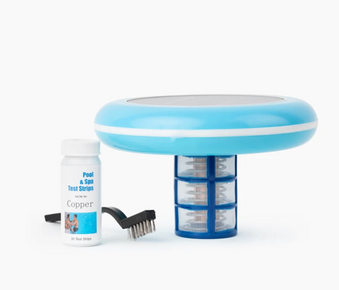
Common accessory kit components include non-abrasive cleaning brushes with precisely shaped bristle patterns for different electrode geometries, plastic picks and scrapers for deposit removal without surface damage, copper pool test strips or digital testers with calibration solutions for accurate performance verification, chemical-resistant gloves in appropriate sizes and materials for different cleaning solutions, safety glasses with side protection for acid handling, and sometimes specialized cleaning solutions specifically formulated for ionization equipment that effectively remove scale without damaging components or leaving harmful residues.
Some advanced accessory kits include comprehensive performance monitoring systems with detailed logbooks, maintenance scheduling tools, water chemistry management guides, and sometimes digital tracking applications that help pool owners maintain detailed maintenance records and performance histories. Premium enhancement kits may include water treatment additives that reduce scaling tendencies, surface protectants that extend component life, installation tools specifically designed for particular ionizer models, or even upgraded components like high-efficiency solar panels or advanced monitoring systems that enhance overall system performance beyond simple replacement.
These accessory and enhancement kits represent valuable investments for pool owners committed to optimal system performance, comprehensive maintenance practices, and long-term equipment preservation. While individual components might be sourced separately, the integrated nature of these kits ensures compatibility, comprehensive coverage, and systematic approach to auxiliary maintenance needs. Pool owners should consider accessory kits when establishing new maintenance routines, when addressing persistent performance issues, when handling unfamiliar maintenance procedures, or when seeking to maximize their investment through comprehensive care and optimization. The relatively modest cost of these kits typically yields substantial returns through improved maintenance efficiency, enhanced safety, better performance documentation, and extended component lifespan.
The diverse replacement kit market thus offers solutions for every maintenance scenario, from simple anode replacement to comprehensive system overhaul, enabling pool owners to maintain their solar ionization systems effectively regardless of their technical expertise, maintenance preferences, or performance requirements. Understanding this product landscape and selecting appropriate kits based on specific needs ensures optimal system performance, extended equipment lifespan, consistent water quality, and maximum return on investment in solar ionization technology.

Step by Step Guide to Replacing an Anode
Anode replacement represents the most frequent maintenance procedure for solar pool ionizers, requiring careful attention to detail, proper technique, and systematic execution to ensure optimal results. Following this comprehensive step-by-step guide ensures successful anode replacement while preserving system integrity and performance characteristics.
Step 1: System Preparation and Safe Removal
Begin the replacement process by carefully lifting the ionizer from the pool, supporting it securely to prevent impact damage or component stress. Place the unit on a clean, stable work surface positioned in a shaded area to prevent premature drying and solar exposure during the replacement procedure. If the system includes electrical disconnection features, properly isolate the unit according to manufacturer specifications before beginning disassembly.
Thoroughly rinse the external surfaces with clean pool water to remove debris, biofilm, or loose deposits that could contaminate internal components during disassembly. Visually inspect the complete unit for any cracks, deformation, or damage that might require attention beyond simple anode replacement. Document the original configuration through photographs or notes, particularly regarding cable routing, component orientation, and connection methods that must be replicated during reassembly.
Step 2: Protective Basket Removal and Inspection
Methodically detach the protective basket assembly according to your specific model's design, typically involving either quarter turn bayonet fittings, threaded connections, or snap-lock mechanisms. Avoid using excessive force that could damage plastic components or distort metal elements. Carefully note the specific orientation and alignment features to ensure proper reassembly following anode replacement.
Once removed, thoroughly inspect the basket for any damage, deformation, or excessive wear that might compromise its protective function. Check for cracks, broken mesh elements, distorted mounting features, or significant mineral accumulation that could restrict water flow. If the basket shows any compromise beyond simple surface deposits, replacement rather than cleaning represents the appropriate course of action to ensure continued system protection and performance.
Step 3: Existing Anode Removal and Assessment
Carefully disconnect the worn anode from its mounting configuration, typically involving threaded connections, compression fittings, or specialized locking mechanisms specific to your ionizer model. Note the specific removal technique and required tools to facilitate proper installation of the replacement component. If the anode resists removal, avoid excessive force that could damage mounting threads or connection points instead, apply penetrating lubricant specifically formulated for pool equipment and allow sufficient dwell time before renewed removal attempts.
Once removed, conduct a comprehensive assessment of the old anode's condition, documenting the wear pattern, erosion characteristics, and any unusual deposits or corrosion. This assessment provides valuable insights into system operation, water chemistry issues, or potential problems requiring additional attention. Significant localized erosion might indicate current distribution issues, while unusual deposit patterns could signal water chemistry imbalances needing correction. Retain the old anode temporarily for comparison with the replacement component to verify proper specifications and dimensions.
Step 4: Preparation and Installation of Replacement Anode
Unpack the new anode from its protective packaging, handling it exclusively by the ends or using clean gloves to prevent skin oils from contaminating the active surface. Verify that the replacement matches the original specifications regarding diameter, length, thread pattern, and material composition. Some premium anodes feature specific orientation requirements, identification markings, or installation indications that must be followed for proper operation.
Install the new anode using careful, methodical technique that ensures proper alignment and engagement without cross-threading or component damage. Follow manufacturer torque specifications if provided, or use hand-tightening plus approximately one-quarter turn with appropriate tools for secure connection without over-tightening. Ensure the anode seats completely and evenly in its mounting configuration, with no gaps, misalignment, or binding that could create electrical resistance points or mechanical stress concentrations.
Step 5: System Reassembly and Verification
Reinstall the protective basket assembly using the reverse of the removal procedure, ensuring all mounting features engage completely and securely. Verify that the basket positions correctly around the new anode with consistent clearance and no contact points that could create electrical shorts or physical interference. Ensure any sealing elements, O-rings, or gaskets seat properly to maintain watertight integrity, replacing these components if included in your replacement kit.
Conduct a comprehensive pre-deployment inspection verifying all components install correctly, connections secure properly, and no tools, debris, or foreign materials remain within the assembly. Check that all fasteners tighten securely, cables route properly without pinching or stress, and the unit maintains its structural integrity and buoyancy characteristics. This meticulous verification prevents operational issues, safety concerns, or performance limitations when the system returns to service.
Step 6: Operational Testing and Performance Validation
Return the reassembled ionizer to your pool, positioning it in its normal operating location with proper solar orientation and water circulation. Observe the unit during initial operation, watching for proper flotation, normal bubbling around the electrodes, and stable positioning in the water. Allow several hours of operation before conducting performance verification to ensure the system stabilizes and establishes normal operation patterns.
Test copper ion levels approximately 24-48 hours after system reactivation using reliable test strips or digital testers, verifying concentrations reach and maintain the target range of 0.2-0.5 ppm. Monitor water clarity, chemical demand, and overall pool condition during the subsequent days, noting any improvements or unusual characteristics following anode replacement. Document the replacement date, initial performance observations, and any notable changes in system operation for future maintenance reference and trend analysis.

Replacing the Cathode and Protective Basket
While anode replacement typically represents the most frequent maintenance requirement in solar pool ionizer systems, cathodes and protective baskets occasionally require replacement to maintain optimal system performance, operational reliability, and long-term equipment integrity. These secondary components experience fundamentally different degradation mechanisms than the sacrificial anode but can equally impact overall system efficiency, electrical performance, and purification effectiveness when compromised. Understanding the specific failure modes, replacement indicators, and proper installation techniques for these components ensures comprehensive system maintenance that addresses all potential performance limitations.
Cathodes and protective baskets operate in the challenging pool environment but serve distinct purposes that subject them to different stress factors and degradation processes. The cathode functions as the stable electrode that completes the electrical circuit, while the protective basket serves as a physical barrier and flow management component. Their replacement typically occurs on extended schedules compared to anodes, but neglecting these components can lead to progressive system degradation, reduced efficiency, and potentially accelerated wear of other system elements. Proper maintenance of these supporting components represents an essential aspect of comprehensive ionization system care that preserves investment and ensures consistent performance.
Cathode Replacement: Detailed Procedures and Best Practices
Cathode replacement begins with systematic disconnection of the existing component, a process that requires careful attention to detail and methodical execution. The disconnection process typically involves removal of mounting hardware, electrical connection points, and sometimes specialized retaining features specific to your ionizer model. Begin by documenting the existing configuration through photographs or detailed sketches, paying particular attention to wire routing, connection methods, component orientation, and any alignment marks or indicators. This documentation provides an essential reference during reassembly and helps prevent installation errors that could compromise system performance.
Key steps in cathode removal include:
- Power Disconnection: Ensure the ionizer is completely removed from the pool and properly isolated from any potential electrical sources before beginning disassembly.
- Hardware Identification: Identify and catalog all mounting hardware, noting specific screw types, sizes, and locations to ensure proper reassembly.
- Connection Point Documentation: Carefully note how electrical connections attach, including wire colors, terminal types, and connection sequences.
- Component Orientation: Mark or document the specific orientation of the cathode relative to the anode and other system components.
- Condition Assessment: During removal, assess the condition of the existing cathode, mounting surfaces, and connection points for signs of corrosion, wear, or damage.
Following careful disconnection, thoroughly clean the mounting area and all connection points to remove any corrosion, mineral deposits, biological growth, or debris that could impair electrical contact or proper seating of the replacement cathode. Use appropriate pool cleaning tools and solutions that effectively remove contaminants without damaging surrounding components or surfaces. For stubborn deposits, consider using specialized descaling solutions or mild acid treatments specifically formulated for pool equipment, always following manufacturer safety guidelines and application instructions.
Installation of the new cathode requires meticulous attention to alignment, connection integrity, and proper positioning to ensure optimal system performance. Begin by verifying that the replacement cathode matches the original specifications regarding dimensions, material composition, mounting features, and electrical characteristics. Carefully align the new cathode with the mounting points, ensuring proper orientation relative to the anode and other system components. Use any included anti-corrosion compounds, conductive pastes, or sealing materials specified by the manufacturer to enhance connection integrity, improve electrical contact, and prevent future degradation.
Critical installation considerations include:
- Electrical Connection Quality: Ensure all electrical contacts maintain maximum surface area and proper tension to minimize resistance and prevent overheating.
- Spacing Verification: Confirm the cathode positions correctly relative to the anode, maintaining the proper spacing and alignment essential for efficient electrochemical operation.
- Hardware Security: Secure all mounting hardware according to manufacturer specifications, using proper torque values where specified to prevent under-tightening or over-tightening.
- Connection Protection: Apply appropriate sealants or protective coatings to connection points if recommended by the manufacturer to prevent corrosion and ensure long-term reliability.
- Functional Testing: After installation, verify proper electrical continuity and system operation before returning the ionizer to service.
Avoid over-tightening mounting hardware, as excessive torque can distort components, damage mounting features, create stress points that accelerate fatigue failure, or compromise sealing integrity. Follow manufacturer torque specifications precisely when provided, or use calibrated torque tools to ensure consistent, appropriate fastening pressure. After securing all connections, conduct a comprehensive visual inspection to verify proper alignment, complete engagement of all mounting features, and absence of any installation errors that could compromise performance or safety.
Protective Basket Replacement
Basket replacement typically represents the most straightforward component replacement procedure in solar ionizer maintenance, but still requires systematic attention to detail to ensure proper function, durability, and optimal performance. The protective basket serves multiple critical functions including debris exclusion, flow management, physical protection, and sometimes even current distribution enhancement, making proper replacement essential for maintained system effectiveness.
Begin the basket replacement process by carefully removing the existing basket according to your specific model's design characteristics. Most ionizers utilize one of several common retention systems including threaded connections, quarter-turn bayonet fittings, snap-lock mechanisms, or simple friction fits. Note the specific disengagement method, required tools, and any special techniques needed for proper removal without damaging surrounding components. During removal, pay close attention to orientation features, alignment indicators, locking mechanisms, and sealing elements that must be replicated during reassembly to ensure proper function.
Essential basket removal steps include:
- Retention Mechanism Identification: Determine the specific retention system used and the proper disengagement procedure.
- Orientation Documentation: Note any alignment marks, keyways, or orientation indicators that ensure proper positioning.
- Sealing Element Inspection: Examine O-rings, gaskets, or other sealing elements for damage, deformation, or wear.
- Basket Condition Assessment: Evaluate the existing basket for damage, deformation, clogging, or wear that necessitated replacement.
- Mounting Surface Preparation: Thoroughly clean the mounting area to remove accumulated debris, mineral deposits, biological growth, or corrosion that could impair proper seating or function of the replacement basket.
Following removal and cleaning, install the new basket using careful alignment and secure engagement of all mounting features. Begin by verifying the replacement basket matches the original specifications regarding dimensions, mesh pattern, material composition, and mounting characteristics. Carefully align the basket with the mounting points, ensuring proper orientation and complete engagement of any locking or retention features. Apply appropriate lubricants to O-rings or sealing elements if recommended by the manufacturer to prevent damage during installation and ensure proper sealing compression.
Critical installation verification points include:
- Clearance Confirmation: Verify the basket positions correctly around the electrodes with consistent clearance and no contact points that could create electrical shorts or physical interference.
- Retention Mechanism Engagement: Ensure any locking mechanisms engage completely and positively, with audible or tactile confirmation when properly seated.
- Sealing Integrity: Confirm that all sealing elements compress properly to maintain watertight integrity and prevent debris bypass.
- Flow Path Verification: Conduct visual verification that the basket provides complete electrode protection while maintaining open flow characteristics for unrestricted water movement around the active components.
- Functional Testing: After installation, verify the basket allows normal ionizer flotation and doesn't create any operational interference.
Complete the basket replacement process with a comprehensive functional verification before returning the ionizer to service. Ensure the basket provides unobstructed water flow to all electrode surfaces, maintains proper positioning during normal operation, and doesn't create any hydrodynamic issues that could affect ion distribution. Verify that all mounting features remain securely engaged and that the basket maintains its protective function without compromising system performance. This thorough approach to basket replacement ensures maintained debris protection, optimal water flow, and consistent ionization performance throughout the replacement cycle.
Integrated System Verification Following Component Replacement
Following completion of cathode and/or basket replacement, conduct comprehensive system verification to ensure all components function together properly and the ionizer operates at optimal efficiency. This verification process should include both pre-deployment inspection and post-installation performance monitoring to confirm successful maintenance and identify any potential issues requiring additional attention.
Pre-deployment inspection checklist:
- Visual Alignment Verification: Confirm all components install correctly with proper alignment and clearances.
- Connection Security: Verify all electrical and mechanical connections secure properly without looseness or play.
- Freedom of Movement: Ensure no components bind, rub, or interfere with normal operation.
- Sealing Integrity: Confirm all seals engage properly and show no signs of leakage or bypass.
- Buoyancy Verification: Check that the ionizer maintains proper flotation and orientation in water.
Post-installation performance monitoring:
- Initial Operation Observation: Monitor the system during first hours of operation for normal bubbling and stable performance.
- Copper Level Testing: Measure copper ion concentrations 24-48 hours after reactivation to verify proper ionization.
- Water Quality Assessment: Monitor clarity, chemical demand, and overall pool condition for several days following maintenance.
- System Stability Verification: Confirm consistent operation without fluctuations or performance variations.
- Documentation Completion: Record replacement dates, observations, and performance characteristics for future reference.
This systematic approach to cathode and basket replacement ensures these critical supporting components receive proper attention while maintaining the comprehensive system perspective essential for optimal ionization performance. While these replacements occur less frequently than anode replacement, their proper execution remains equally important for sustained system reliability, efficiency, and longevity. By incorporating these components into a regular maintenance schedule and following proper replacement procedures, pool owners can ensure their solar ionization systems deliver consistent, effective performance throughout their operational lifespan.

Tips to Extend the Life of Your Solar Ionizer
Proactive maintenance practices significantly extend solar ionizer lifespan while maintaining optimal performance characteristics throughout the equipment's service life. Implementing these comprehensive care strategies represents a minimal time investment that yields substantial returns in equipment reliability, water quality consistency, and overall cost efficiency.
Systematic Cleaning Protocols
Establish and maintain a regular cleaning schedule based on your specific water conditions, usage patterns, and environmental factors. For most residential pools, comprehensive cleaning every 2-4 weeks maintains optimal performance while preventing the heavy accumulation that necessitates aggressive cleaning methods. Use only manufacturer-recommended cleaning solutions, non-abrasive tools, and proper techniques that effectively remove deposits without damaging component surfaces or protective coatings.
Document cleaning activities, observations, and performance characteristics to identify trends, optimize scheduling, and recognize developing issues before they become significant problems. Include basket cleaning, electrode inspection, and solar panel maintenance in your regular cleaning protocol to address all system components that impact performance and longevity. This comprehensive approach prevents the progressive degradation that often occurs when cleaning focuses exclusively on the most visible components.
Performance Monitoring and Verification
Regularly test and document copper ion levels, typically weekly during peak season and bi-weekly during lighter usage periods, to verify system performance and identify developing issues. Use reliable test methods including quality test strips or digital testers specifically designed for copper measurement in pool environments. Compare results against established baselines and expected performance ranges to identify deviations that might indicate component wear, scaling issues, or other performance limitations.
Supplement copper testing with periodic verification of other water parameters including pH, total alkalinity, calcium hardness, and chlorine levels, as these factors significantly influence ionization efficiency and component wear rates. Maintain detailed records that correlate water chemistry, system performance, and maintenance activities to identify relationships and optimize system management. This data-driven approach enables predictive maintenance rather than reactive response, significantly enhancing system reliability and component lifespan.
Proper Handling and Storage Practices
Always handle ionization components with care, avoiding impact, abrasion, or stress that could damage sensitive surfaces, electrical connections, or structural elements. Use clean gloves when handling electrodes to prevent skin oils from contaminating active surfaces, and store components in their original protective packaging when not installed. During seasonal closure or extended non-use periods, remove the ionizer from the pool, clean it thoroughly, and store it in a cool, dry location protected from physical damage, temperature extremes, and UV degradation.
When reinstalling stored equipment, conduct comprehensive inspection, cleaning, and verification before returning the system to service. Check for any damage, corrosion, or deterioration that might have occurred during storage, and replace any compromised components before reactivation. Proper storage practices prevent off-season degradation that could compromise performance or necessitate premature component replacement when the system returns to regular operation.
Final Thoughts on Maximizing Longevity and Efficiency
Replacement kits represent essential maintenance tools for any pool owner committed to maintaining solar ionization system performance while maximizing equipment lifespan and operational efficiency. Timely, proper replacement of worn anodes, compromised cathodes, and degraded protective baskets restores original equipment performance characteristics while preventing the water quality issues, increased chemical consumption, and system failures that accompany neglected maintenance.
By integrating systematic component replacement with comprehensive cleaning protocols, performance monitoring, and proper handling practices, pool owners can extend functional ionizer lifespan significantly while maintaining consistent, effective water purification with minimal chemical supplementation. This proactive maintenance approach represents a minor investment of time and resources that yields substantial returns in equipment reliability, water quality consistency, chemical reduction, and overall swimming enjoyment.
Ultimately, consistent attention and proper care enable solar pool ionizers to deliver their full potential benefits throughout extended service life, providing crystal-clear, healthy pool water with minimal chemical use and environmental impact. This sustainable approach to pool maintenance reflects the fundamental advantages of solar ionization technology while demonstrating how proper maintenance practices preserve equipment investment and enhance the overall pool ownership experience for years of reliable, effective operation.
2 comments
Yes, the solar pool ionizer still works on cloudy days, though at reduced efficiency since it gets less sunlight. However, it doesn’t store power, so it only operates when exposed to daylight.
Hi,
Does the solar ionizer works during cloudy days and does it accumulate power to work at night?.
Thanks
John