Das In The Swim Basic Pool Opening Kit bietet essentielle Chemikalien für die Frühjahrspooleröffnung. Das Kit enthält Schockmittel, Algizid, Klärer und Fleckenschutz. Befolgen Sie die richtige Reihenfolge: Abdeckung entfernen, Pool reinigen, Wasserchemie ausbalancieren, Chemikalien aus dem Kit hinzufügen, Pumpe 24 Stunden laufen lassen, testen und einstellen. Diese Anleitung behandelt die vollständigen Frühjahrspooleröffnungsverfahren mit dem Kit.
Inhaltsverzeichnis
Was ist das In The Swim Basic Pool Opening Kit?
Das In The Swim Basic Pool Opening Kit ist ein umfassendes Chemiepaket, das die Frühjahrs-Pooleröffnung vereinfachen soll. Dieses All-in-One-Kit enthält die wesentlichen Chemikalien, die zum Schockbehandeln, Klären, zur Algenvorbeugung und zum Schutz Ihrer Pooloberflächen während des kritischen Eröffnungsprozesses erforderlich sind. Das Kit bietet eine bequeme, kostengünstige Lösung für Poolbesitzer, die sicherstellen möchten, dass ihr Pool sauber, klar und richtig ausbalanciert in die Saison startet.
Warum ein Pool-Öffnungskit verwenden?
- Bequem: Alle wesentlichen Chemikalien in einem Paket
- Kostengünstig: Besserer Wert als der separate Kauf von Chemikalien
- Richtig formuliert: Chemikalien wirken zusammen für optimale Ergebnisse
- Vereinfachter Prozess: Beseitigt das Rätselraten bei der Frühjahrseröffnung
- Zeitsparend: Alles, was Sie brauchen, in einem Kauf
- Professionelle Ergebnisse: Entwickelt für einen effektiven Poolstart
Wann das Kit verwenden
Verwenden Sie das In The Swim Basic Pool Opening Kit, wenn Sie Ihren Pool für die Badesaison öffnen, typischerweise im Frühling (März bis Mai, je nach Standort). Das Kit wurde für Pools entwickelt, die ordnungsgemäß winterfest gemacht und abgedeckt wurden, und liefert die Chemikalien, die zur Wiederherstellung der Wasserqualität und zur Vorbereitung auf die Sommernutzung erforderlich sind.
Was ist im Kit enthalten
Schockbehandlung
Das Kit enthält Calciumhypochlorit-Schockmittel (typischerweise 0,5 bis 1 kg) zur Abtötung von Bakterien, zur Zerstörung organischer Verunreinigungen und zur Oxidation des Poolwassers. Das Schockbehandeln ist der entscheidende erste Schritt zur Wiederherstellung der Wasserqualität nach dem Winter.
Algizid
Ein vorbeugendes Algizid (typischerweise auf Polyquat-Basis) hilft, Algenwachstum während des Eröffnungsprozesses und in der frühen Saison zu verhindern. Diese nicht-metallische Formel färbt die Pooloberflächen nicht.
Klärungsmittel
Poolklärer hilft dem Filter, kleine Partikel einzufangen, verbessert die Wasserklarheit, indem er mikroskopisch kleine Ablagerungen zusammenbindet, sodass Ihr Filter sie effektiver entfernen kann.
Fleck- und Kalkverhinderer
Metallsequestriermittel verhindert Fleckenbildung durch Metalle im Wasser und hilft, die Kalkbildung auf Pooloberflächen und Geräten während des Öffnungsprozesses zu kontrollieren.
Vorbereitung vor der Eröffnung
Timing Ihrer Pooleröffnung
Öffnen Sie Ihren Pool, wenn die Tagestemperaturen konstant 15 bis 21 °C erreichen. Zu frühes Öffnen verschwendet Chemikalien und Energie, während zu spätes Öffnen Algen die Möglichkeit gibt, sich auszubreiten. Die meisten Poolbesitzer öffnen im April oder Mai, abhängig von ihrem Klima.
Notwendige Ausrüstung zusammenstellen
- Poolbürste
- Skimmernetz
- Staubsauger und Schlauch
- Wassertestkit oder -streifen
- Gartenschlauch
- Eimer zum Mischen von Chemikalien
- Schutzbrille und Handschuhe
Poolausrüstung inspizieren
Vor der Eröffnung überprüfen Sie:
- Poolabdeckung auf Beschädigungen
- Filtersystem auf Risse oder Undichtigkeiten
- Pumpen- und Motorbetrieb
- Skimmer- und Rücklaufanschlüsse
- Pooloberfläche auf Beschädigungen
- Sicherheitsausrüstung und Leitern
Schritt-für-Schritt-Öffnungsprozess
Schritt 1: Poolabdeckung entfernen und reinigen
- Stehendes Wasser von der Abdeckung mit Pumpe oder Siphon entfernen
- Schmutz und Ablagerungen abfegen
- Abdeckung vorsichtig entfernen, um zu vermeiden, dass Schmutz in den Pool fällt
- Abdeckung mit milder Seife und Wasser reinigen
- Vor der Lagerung vollständig trocknen
- An einem kühlen, trockenen Ort lagern
Schritt 2: Winterzubehör entfernen
- Winterstopfen von Rückläufen und Skimmern entfernen
- Eisdruckpolster oder Winter Schwimmer entfernen
- Rücklaufanschlüsse und Skimmerkörbe wieder einsetzen
- Winterabdeckung von Pumpe und Filter entfernen
- Alle Geräte auf Beschädigungen überprüfen
Schritt 3: Pool auf den richtigen Füllstand bringen
- Wasser hinzufügen, bis der Füllstand die Mitte der Skimmeröffnung erreicht
- Beim Befüllen auf Undichtigkeiten prüfen
- Korrekten Wasserstand für den Gerätebetrieb sicherstellen
Schritt 4: Pool gründlich reinigen
- Große Ablagerungen mit einem Skimmernetz entfernen
- Wände, Stufen und Boden gründlich bürsten
- Pool saugen, um abgesetzte Ablagerungen zu entfernen
- Skimmer- und Pumpenkörbe leeren
- Wasserlinie mit Poolfliesenreiniger reinigen
Folgen Sie der Checkliste zur Poolreinigung für Anfänger.
Schritt 5: Poolausrüstung starten
- Pumpe bei Bedarf ansaugen
- Pumpe einschalten und auf ordnungsgemäßen Betrieb prüfen
- Auf Undichtigkeiten an allen Anschlüssen prüfen
- Sicherstellen, dass Wasser durch die Rückläufe zirkuliert
- Filter auf die entsprechende Einstellung setzen
- Pumpe während des Öffnungsprozesses kontinuierlich laufen lassen
Erfahren Sie mehr darüber, wie die Poolzirkulation die ordnungsgemäße Wartung unterstützt.
Schritt 6: Wasserchemie testen
Testen Sie die anfänglichen Wasserparameter:
- pH-Wert
- Gesamtalkalität
- Kalziumhärte
- Freies Chlor
- Gesamtchlor
- Cyanursäure (falls zutreffend)
Anleitung zur Chemikalienanwendung
Reihenfolge der Chemikalienzugabe
Fügen Sie Chemikalien in dieser spezifischen Reihenfolge hinzu, um beste Ergebnisse zu erzielen:
1. Zuerst pH-Wert und Alkalität ausgleichen
- Gesamtalkalität auf 80 bis 120 ppm einstellen
- pH-Wert auf 7,2 bis 7,6 einstellen
- Zwischen den Anpassungen 4 Stunden warten
- Vor dem Fortfahren erneut testen
Erfahren Sie mehr darüber, wie Sie den pH-Wert Ihres Pools aufrechterhalten.
2. Fleck- und Kalkverhinderer hinzufügen
- Bei laufender Pumpe am Poolrand verteilen
- Gleichmäßig verteilen
- Eine Stunde zirkulieren lassen
3. Pool schockbehandeln
- Schockmittel in einem Eimer Wasser auflösen (wenn granuliert)
- Abends am Poolrand verteilen
- Pumpe weiterlaufen lassen
- Für 8 bis 12 Stunden nicht schwimmen
- Pool nach Zugabe des Schockmittels bürsten
4. Algizid hinzufügen
- 24 Stunden nach der Schockbehandlung warten
- Am Poolrand verteilen
- Pooloberflächen bürsten
- Pumpe 8 bis 12 Stunden laufen lassen
5. Klärungsmittel hinzufügen
- Nachdem das Algizid zirkuliert hat, hinzufügen
- In der Nähe der Rücklaufdüsen für bessere Verteilung einfüllen
- Pumpe 24 Stunden lang kontinuierlich laufen lassen
- Filter reinigen, wenn der Druck steigt
Dosierungsrichtlinien
Befolgen Sie die Anweisungen auf der Verpackung für Ihre spezifische Poolgröße. Typische Dosierungen:
- Schockmittel: 0,5 kg pro 38.000 Liter
- Algizid: Befolgen Sie die Anweisungen auf dem Etikett (normalerweise 470 ml pro 38.000 Liter)
- Klärungsmittel: Befolgen Sie die Anweisungen auf dem Etikett (normalerweise 120 bis 240 ml pro 38.000 Liter)
- Fleckverhinderer: Befolgen Sie die Anweisungen auf dem Etikett
Sicherheitsvorkehrungen
- Schutzbrille und Handschuhe tragen
- Niemals Chemikalien mischen
- Chemikalien zum Wasser hinzufügen, nicht Wasser zu Chemikalien
- Chemikalien an einem kühlen, trockenen Ort lagern
- Chemikalien von Kindern und Haustieren fernhalten
- Alle Anweisungen auf dem Etikett befolgen
Ausgleich der Wasserchemie
Zielbereiche
Halten Sie diese Werte für eine optimale Wasserqualität ein:
- pH-Wert: 7,2 bis 7,6
- Gesamtalkalität: 80 bis 120 ppm
- Kalziumhärte: 200 bis 400 ppm
- Freies Chlor: 1 bis 3 ppm
- Cyanursäure: 30 bis 50 ppm (Außenpools)
Anpassung der Wasserchemie
Um den pH-Wert zu erhöhen:
- Waschsoda (Natriumcarbonat) hinzufügen
- Befolgen Sie die Dosierungsanweisungen auf der Verpackung
- Nach 4 Stunden erneut testen
Um den pH-Wert zu senken:
- Salzsäure oder Trockensäure (Natriumbisulfat) hinzufügen
- Langsam am Poolrand hinzufügen
- Nach 4 Stunden erneut testen
Um die Alkalität zu erhöhen:
- Natriumbicarbonat (Backpulver) hinzufügen
- Zuerst in einem Eimer Wasser auflösen
- Am Poolrand verteilen
Um die Kalziumhärte zu erhöhen:
- Kalziumchlorid hinzufügen
- In einem Eimer Wasser auflösen
- Am Poolrand verteilen
Testplan
Während des Öffnungsprozesses:
- In der ersten Woche täglich testen
- In der zweiten Woche jeden zweiten Tag testen
- Nach dem Ausgleich 2 bis 3 Mal pro Woche testen
- Nach starkem Regen oder Poolpartys testen
Fehlerbehebung bei häufigen Problemen
Problem: Grünes oder trübes Wasser
Lösungen:
- Pool mit doppelter oder dreifacher Dosis schockbehandeln
- Pooloberflächen kräftig bürsten
- Pumpe 24 Stunden lang kontinuierlich laufen lassen
- Filter häufig reinigen
- Bei Bedarf zusätzliches Algizid hinzufügen
- Pool absaugen, wenn er sehr schmutzig ist
Siehe wie man einen grünen Pool schnell in Ordnung bringt und wie man mit trübem Wasser in Schwimmbädern umgeht.
Problem: Flecken auf Pooloberflächen
Lösungen:
- Auf Metalle im Wasser testen
- Metallsequestriermittel hinzufügen
- Korrekten pH-Wert (7,2 bis 7,6) beibehalten
- Fleckenentferner für bestehende Flecken verwenden
- Metallfreie Wasserquelle in Betracht ziehen
Problem: Niedrige Chlorwerte
Lösungen:
- Pool schockbehandeln, um einen Chlorrest aufzubauen
- Auf hohe Cyanursäure (Chlor-Blockade) prüfen
- Überprüfen, ob die Pumpe ausreichend Stunden läuft
- Auf Phosphate testen und entfernen, wenn sie hoch sind
- Bei Bedarf Chlorstabilisator hinzufügen
Problem: Hoher pH-Wert oder Alkalität
Lösungen:
- Salzsäure oder Trockensäure hinzufügen
- Testen und schrittweise anpassen
- Auf Ursache des hohen pH-Werts prüfen (neuer Putz usw.)
- Nach 4 Stunden erneut testen
Häufig gestellte Fragen
Wann sollte ich meinen Pool öffnen?
Öffnen Sie Ihren Pool, wenn die Tagestemperaturen konstant 15 bis 21 °C erreichen, typischerweise im April oder Mai, je nach Ihrem Klima. Zu frühes Öffnen verschwendet Chemikalien und Energie.
Wie lange dauert der Eröffnungsprozess?
Der vollständige Eröffnungsprozess dauert typischerweise 3 bis 5 Tage, vom Entfernen der Abdeckung bis zum Erreichen von ausgeglichenem, schwimmfähigem Wasser. Die meiste Zeit davon wartet man, bis die Chemikalien wirken und das Wasser klar wird.
Kann ich sofort nach Zugabe der Öffnungs-Chemikalien schwimmen?
Nein. Warten Sie nach dem Schockbehandeln mindestens 8 bis 12 Stunden und stellen Sie sicher, dass die Chlorwerte unter 5 ppm liegen, bevor Sie schwimmen. Das Wasser sollte klar und richtig ausbalanciert sein.
Muss ich meinen Pool vor dem Öffnen ablassen?
Nein. Sie sollten Ihren Pool nicht für die Eröffnung ablassen. Entfernen Sie einfach die Abdeckung, reinigen Sie ihn, gleichen Sie die Chemie aus und fügen Sie die Öffnungs-Chemikalien hinzu. Das Ablassen kann die Poolstruktur beschädigen.
Was, wenn mein Pool beim Öffnen grün ist?
Wenn Ihr Pool beim Öffnen grün ist, müssen Sie ihn stark schockbehandeln (doppelte oder dreifache Dosis), gründlich bürsten, die Pumpe kontinuierlich laufen lassen und den Filter häufig reinigen. Die Chemikalien des Öffnungskits helfen, aber starke Algen können zusätzliche Schockbehandlungen erfordern.
Wie oft sollte ich meine Pumpe während der Öffnung laufen lassen?
Lassen Sie Ihre Pumpe während der ersten 3 bis 5 Tage der Öffnung kontinuierlich (24 Stunden pro Tag) laufen. Dies gewährleistet eine ordnungsgemäße Chemikalienverteilung und Filtration von Schmutz.
Kann ich das Kit mit einem Salzwasserpool verwenden?
Ja, das In The Swim Basic Pool Opening Kit ist mit Salzwasserpools kompatibel. Befolgen Sie die gleichen Verfahren, aber schalten Sie Ihren Salz-Chlor-Generator erst ein, wenn das Wasser ausgeglichen und klar ist.
Was soll ich mit übrig gebliebenen Chemikalien tun?
Lagern Sie übrig gebliebene Chemikalien in ihren Originalbehältern an einem kühlen, trockenen Ort, fern von Kindern und Haustieren. Halten Sie Chemikalien getrennt und mischen Sie sie niemals miteinander.
Wie verhindere ich Algen während der Öffnung?
Verhindern Sie Algen, indem Sie ausreichend schockbehandeln, Algizid wie angewiesen hinzufügen, korrekte Chlorwerte aufrechterhalten, Pooloberflächen bürsten und die Pumpe während des Öffnungsprozesses kontinuierlich laufen lassen.
Sollte ich einen Solar-Poolionisierer während der Öffnung hinzufügen?
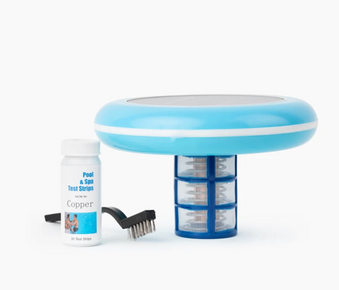
Ja, das Hinzufügen eines Solar-Poolionisierers während oder nach der Öffnung bietet eine saisonale Algenprävention und reduziert den Chlorbedarf um bis zu 85%. Installieren Sie ihn, sobald das Wasser ausgeglichen und klar ist.
Erfahren Sie mehr über den optimalen Zeitpunkt für die Installation eines Solar-Poolionisierers und was ein Poolionisierer tut.
Fazit
Das In The Swim Basic Pool Opening Kit bietet eine bequeme, umfassende Lösung für die Frühjahrs-Pooleröffnung, die alle wesentlichen Chemikalien enthält, die zur Wiederherstellung der Wasserqualität nach dem Winter erforderlich sind. Durch Befolgen der richtigen Reihenfolge von Abdeckungsentfernung, Reinigung, Wasserausgleich und Chemikalienanwendung können Sie Ihren Pool effizient öffnen und für die Badesaison vorbereiten. Konsistentes Testen, richtige Chemikaliendosierung und ausreichender Pumpenbetrieb stellen sicher, dass Ihr Pool sauber, klar und bereit zum Genießen ist.
Für eine saisonale Algenprävention und reduzierten Chemikalienverbrauch nach dem Öffnen Ihres Pools sollten Sie einen Solar-Poolionisierer in Betracht ziehen, der Solarenergie nutzt, um kontinuierlich Kupfer- und Silberionen freizusetzen, wodurch der Chlorbedarf um bis zu 85 % reduziert wird, während er die gesamte Badesaison über eine natürliche Algen- und Bakterienprävention mit minimalem laufenden Wartungsaufwand bietet.