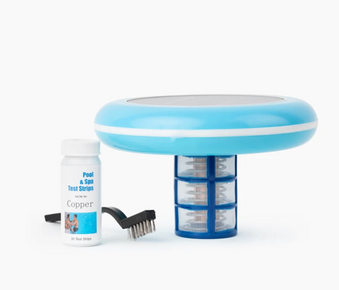
One of the most common questions we receive from pool owners considering the switch to solar ionization technology is about equipment compatibility, specifically: "With what kind of filter does a solar pool ionizer work?" This question stems from legitimate concerns about whether their existing pool infrastructure will support this innovative cleaning method or if costly upgrades will be necessary. The apprehension is understandable after investing in a filtration system, the last thing any pool owner wants is to discover their new eco-friendly cleaning solution won't integrate with their current setup.
The straightforward answer, which brings relief to most pool owners, is that solar pool ionizers are designed with universal compatibility as a core feature. These innovative devices work harmoniously with every major type of pool filtration system available on the market today. Whether you have a traditional sand filter, a modern cartridge system, or a high-performance DE (diatomaceous earth) filter, solar ionization technology enhances rather than conflicts with your existing equipment. This compatibility extends beyond just working together; it creates a synergistic relationship where both systems perform better than they would individually.
This comprehensive guide will explore exactly how solar ionizers integrate with different filtration systems, the specific benefits for each filter type, maintenance considerations, and why this combination represents the future of efficient pool care. Understanding this partnership is crucial for maximizing your pool's cleanliness while minimizing chemical use, maintenance time, and operational costs.
Table Of Contents
- The Universal Compatibility of Solar Pool Ionizers
- Sand Filters and Solar Ionization: Traditional Meets Technological
- Cartridge Filters with Solar Ionizers: Peak Efficiency Partnership
- DE Filters and Solar Ionizers: Unmatched Cleaning Performance
- Optimizing Maintenance Across All Filter Types
- Selecting Your Ideal Filtration and Ionization System
- The Future of Pool Care: Why This Combination is Becoming Standard
1. The Universal Compatibility of Solar Pool Ionizers
The engineering behind solar pool ionizers prioritizes universal compatibility, making them one of the most adaptable pool cleaning technologies available. This design philosophy recognizes that pool owners have invested in various filtration systems over the years, and a successful new technology must work within existing infrastructure rather than requiring complete system overhauls.
The fundamental reason solar ionizers work with any filter type lies in their completely different but complementary operational methodologies. Pool filters regardless of type operate on mechanical filtration principles. They physically strain and capture particulate matter from water as it circulates through the system. Sand filters trap debris in the spaces between sand grains, cartridge filters capture particles in their pleated fabric, and DE filters use a powdered fossilized algae coating to create an incredibly fine screening surface. All these systems excel at removing physical contaminants but share a common limitation: they cannot address dissolved or microscopic biological threats.
Solar ionizers operate on an entirely different principle electrochemical water treatment. Through a process called electrolysis powered by solar energy, these devices release positively charged copper and silver ions into the clear pool water. These ions remain suspended and actively seek out negatively charged microorganisms, including algae cells, bacteria, and viruses. Upon contact, the metal ions disrupt cellular processes and prevent reproduction, effectively neutralizing biological contaminants that would pass through any mechanical filter.
Compatibility Extends Beyond Basic Operation:
- No retrofitting or plumbing modifications required
- Compatible with all pump types (single-speed, variable-speed, two-speed)
- Works with automated pool systems and manual setups alike
- Unaffected by filter pressure variations or flow rate changes
- Independent of pool shape, size, or construction material
- No electrical integration with existing pool equipment needed
This separation of function creates the perfect partnership. While your filter handles the physical debris from leaves and sand to pollen and dust the solar ionizer addresses the invisible biological threats. The systems work in parallel rather than series, meaning the ionizer doesn't interfere with water flow to the filter, and the filter doesn't remove the protective ions from the water. This parallel operation is key to their universal compatibility and combined effectiveness.

2. Sand Filters and Solar Ionization: Traditional Meets Technological
Sand filters represent the most established and widely used pool filtration technology, particularly valued for their durability, simplicity, and relatively low maintenance requirements. When paired with solar ionization, this traditional workhorse transforms into a highly efficient, comprehensive cleaning system that delivers exceptional water quality with significantly reduced chemical dependency.
The operational synergy between sand filtration and solar ionization begins with understanding their complementary strengths and limitations. Sand filters excel at capturing particulate matter between 20-40 microns in size effective for most visible debris but insufficient for microscopic organisms. The filter media (special-grade silica sand) creates a labyrinthine path that traps particles while allowing water to flow through. However, algae spores (typically 1-5 microns), bacteria (0.5-5 microns), and viruses (0.02-0.3 microns) easily pass through these spaces, which is why chlorine has traditionally been necessary despite its drawbacks.
Solar ionization addresses this exact limitation. The copper ions (approximately 0.0001 microns) released into the water seek out and neutralize these microscopic threats through multiple mechanisms: they disrupt enzyme function, damage cell membranes, and interfere with reproductive processes. This biological control occurs throughout the entire pool volume, not just when water passes through a specific point, providing continuous protection between filter cycles.
Enhanced Performance Metrics with Solar Ionization:
- Backwashing frequency reduced by 30-50% due to decreased organic loading
- Sand replacement intervals extended by 1-2 years on average
- Filter pressure rises more slowly, maintaining optimal flow rates longer
- Reduced channeling in sand bed from decreased biofilm formation
- Improved filtration efficiency throughout the filter cycle
The economic benefits of this combination are particularly noteworthy for sand filter owners. Reduced backwashing translates directly to water conservation especially valuable in drought-prone areas or where water costs are high. Extended sand life means fewer media replacements, and decreased chemical usage provides ongoing savings. Many users report recouping their solar ionizer investment within two swimming seasons through these combined savings.
From a pool water chemistry perspective, the partnership delivers noticeably superior results. The sand filter ensures brilliant water clarity by removing physical particles that cause cloudiness, while the solar ionizer provides the biological safety that traditionally required chlorine. The result is water that not only looks exceptionally clear but feels noticeably different softer, without chemical odor, and non-irritating to skin and eyes.
3. Cartridge Filters with Solar Ionizers: Peak Efficiency Partnership
Cartridge filter systems have surged in popularity because they offer high filtration efficiency, water conservation, and relatively compact installation. When paired with a solar ionizer, they create one of the most balanced pool cleaning solutions available, combining advanced mechanical filtration with ongoing biological control, all while minimizing environmental impact.
Cartridge filters capture particles down to 10-15 microns, which is far finer than sand filters, and their pleated design provides an extensive surface area that allows for longer periods between cleanings. Unlike sand filters, cartridge filters do not require backwashing, which reduces water waste and ensures that any copper ions released by the solar pool ionizer remain in the pool water continuously. This stable ionic environment enhances algae and bacteria control, reducing the need for additional chemicals.
Practical Benefits and Examples
For households with families who swim daily, the reduced maintenance demands of cartridge filters are particularly valuable. Without frequent backwashing, pool owners save thousands of gallons of water each year. A family that previously performed backwashing every 1-2 weeks may now only need to clean the cartridge a few times per season. The combination of mechanical and ion-based biological control ensures water clarity and safety, even with high usage.
Cartridge filters also perform well in regions with moderate environmental debris, such as pollen, dust, or light leaf fall. Even under heavy debris conditions, the solar ionizer continuously suppresses pool algae growth, which prevents filter clogging and extends the life of the cartridge.
Maintenance and Longevity Advantages
- Cleaning intervals extend by 25-40% because less organic material accumulates in the pleats
- Chemical cartridge cleaners are largely unnecessary, reducing chemical handling and costs
- Peak filtration efficiency is maintained, as fewer biological films form on the pleated material
- Cartridge lifespan increases, often lasting 2-3 seasons longer than non-ionized setups
- No water loss occurs from backwashing, conserving water in drought-prone or high-cost regions
Environmentally, this combination is extremely attractive. Pool owners not only reduce chemical usage by 85-90%, but also conserve water and operate the solar ionizer entirely on renewable energy. Over time, this creates a nearly self-sustaining, low-maintenance system that aligns perfectly with eco-conscious lifestyles.

4. DE Filters and Solar Ionizers: Unmatched Cleaning Performance
Diatomaceous Earth (DE) filters represent the premium tier of pool filtration, capable of capturing particles as small as 2-5 microns approaching the clarity of drinking water standards. When combined with solar ionization, this partnership creates what many industry professionals consider the ultimate residential pool cleaning system, delivering unmatched water quality through complementary technological excellence.
The extraordinary filtration capability of DE systems comes from their unique filtering medium fossilized diatoms (ancient microscopic algae) processed into a fine powder. When coated onto filter grids, this material creates a porous filtering surface with microscopic channels that trap even the finest particulate matter. While this mechanical filtration is exceptional, it still cannot address dissolved contaminants or sub-micron biological threats, which is where solar ionization completes the picture perfectly.
The synergy between DE filtration and solar ionization operates on multiple levels. Mechanically, the DE filter removes virtually all visible impurities, creating brilliantly clear water that's free from the fine particles that cause pool water cloudiness or dullness. Meanwhile, the solar ionizer ensures that any remaining microorganisms are neutralized, providing biological safety without chemical treatment. The result is water that's not only visually perfect but hygienically pure in a way that's difficult to achieve with any other system.
Performance Enhancement and Economic Benefits:
- Filter cycles extended by 20-35% due to reduced biological loading
- DE powder consumption reduced by 15-25% through more efficient usage
- Grid cleaning frequency decreased by 30-40% annually
- Maintained peak filtration performance throughout operational cycles
- Extended grid lifespan through reduced biological degradation
The maintenance improvements with this combination are particularly valuable given that DE systems typically require more attention than other filter types. The prevention of biological growth within the filter means backwashing becomes more efficient, with less DE powder required after each cycle. Grid cleaning often the most labor-intensive aspect of DE filter maintenance becomes less frequent and less demanding, as biological films that typically require chemical removal are largely prevented by the ionization process.
For pool owners who prioritize water quality above all else, this combination delivers exceptional value. The initial investment in both systems is quickly offset by reduced chemical costs, decreased maintenance time, and extended component life. More importantly, the swimming experience is transformed the water feels noticeably different, with a softness and purity that's typically only found in natural spring-fed pools, yet with the hygiene standards of a commercial facility.
5. Optimizing Maintenance Across All Filter Types
While solar ionizers significantly reduce overall pool maintenance, understanding how to optimize care for your specific filter type within this integrated system ensures peak performance and maximum longevity for all components. Proper maintenance protocols not only extend equipment life but also enhance water quality and operational efficiency.
For sand filter systems, the primary maintenance adjustment involves recalibrating backwashing frequency. While solar ionization reduces the need for backwashing, it's still essential to monitor pressure gauges and backwash when pressure rises 8-10 PSI above the clean starting pressure. However, owners will typically find this occurs less frequently often 30-50% less than with chlorine-only systems. When backwashing is necessary, the process is more efficient due to reduced organic loading, often requiring shorter cycle times. An annual deep cleaning of the sand bed is still recommended, but the process is typically quicker and requires less chemical treatment.
Cartridge filter maintenance becomes notably more straightforward with solar ionization. The extended cleaning intervals mean less frequent attention, but proper technique remains important when cleaning is required. The recommended approach involves using a moderate-pressure hose stream to spray between pleats from top to bottom, working from the inside toward the outside. The absence of significant biological matter means chemical cleaners are rarely needed a significant improvement that eliminates both the cost and handling of these harsh products. Cartridge replacement intervals typically extend by one or more seasons due to reduced biological degradation of the media.
Filter-Specific Maintenance Protocols:
- Sand Filters: Backwash at 8-10 PSI over clean pressure; deep clean annually; replace sand every 5-7 years; inspect multiport valve regularly
- Cartridge Filters: Clean at 8-10 PSI over clean pressure; inspect pleats for damage; replace every 2-3 seasons; maintain proper housing O-rings
- DE Filters: Backwash at 8-10 PSI over clean pressure; perform complete teardown cleaning annually; inspect grids for tears; maintain DE feed system
DE filter maintenance sees perhaps the most dramatic improvements with solar ionization. The reduced biological contamination means longer filter cycles and more efficient backwashing. When adding fresh DE powder after backwashing, many owners find they can use slightly less than manufacturer recommendations while maintaining excellent filtration. The annual grid cleaning typically the most demanding aspect of DE maintenance becomes significantly easier without stubborn biological films to remove. This not only saves time but reduces wear and tear on the grid assemblies during cleaning.
Across all filter types, solar pool ionizer maintenance remains consistent and straightforward. The anode should be inspected every 2-4 weeks and cleaned of any mineral buildup using a soft brush. Copper ion levels should be tested monthly, maintaining concentrations between 0.2-0.5 ppm for optimal performance and safety. Anode replacement is typically needed every few months to a year, depending on pool size and usage patterns. Proper seasonal storage cleaning, drying, and protecting from extreme temperatures ensures years of reliable service.

6. Selecting Your Ideal Filtration and Ionization System
Choosing the optimal filtration and ionization combination requires careful consideration of multiple factors, including pool characteristics, usage patterns, local conditions, and personal preferences. Understanding how different systems perform in various scenarios enables informed decision-making that aligns with your specific needs and expectations.
For small to medium residential pools (under 20,000 gallons) with typical family usage, cartridge filters paired with solar ionizers often provide the ideal balance of performance, maintenance requirements, and environmental considerations. This combination offers excellent filtration without water waste, making it particularly suitable for areas with water restrictions or for environmentally conscious owners. The relatively low maintenance demands align well with busy modern lifestyles while still delivering sparkling, sanitary water.
Larger pools (over 20,000 gallons), those with heavy usage patterns, or pools in areas with significant environmental debris often benefit from sand or DE filters with solar ionization. Sand systems provide reliable, robust performance with relatively straightforward maintenance, while DE filters deliver unparalleled pool water clarity. In both cases, the addition of solar ionization reduces chemical requirements and extends service intervals, making large pool maintenance more manageable and cost-effective.
Comprehensive System Selection Guidelines:
- Cartridge + Solar Ionizer: Ideal for pools up to 20,000 gallons, water-conscious owners, low-maintenance preferences, environmentally focused users
- Sand + Solar Ionizer: Excellent for all pool sizes, budget-conscious owners, reliable performance needs, areas with significant debris
- DE + Solar Ionizer: Perfect for large pools (20,000+ gallons), perfectionists wanting ultimate clarity, heavy usage situations, commercial applications
Climate and environmental factors significantly influence system selection. In warm, sunny regions where algae growth is aggressive and continuous, the biological control provided by solar ionization is particularly valuable, regardless of filter type. In cooler climates with shorter swimming seasons but potentially more environmental debris, the filtration component becomes relatively more important. For pools surrounded by trees or in windy areas, sand or DE systems may be preferable due to their capacity for handling larger debris loads.
When planning new pool construction or major equipment upgrades, incorporating solar ionization from the beginning provides multiple advantages. The initial investment is typically recovered within 1-2 swimming seasons through reduced chemical costs, and the system integration can be optimized during installation. Many pool builders now recommend solar ionization as a standard feature, recognizing its role in creating trouble-free ownership experiences and aligning with growing consumer demand for eco-friendly options.
For existing pool owners considering adding solar ionization to their current filtration system, the process is straightforward regardless of filter type. The universal compatibility means no equipment modifications are necessary, and the benefits begin immediately. This accessibility makes solar ionization an ideal upgrade for any pool owner seeking to reduce chemical usage, minimize maintenance time, and improve water quality.

7. The Future of Pool Care: Why This Combination is Becoming Standard
The integration of solar ionization with traditional pool filtration systems represents more than just another pool equipment option it signifies a fundamental shift in pool maintenance philosophy that aligns with broader societal trends toward sustainability, health consciousness, and technological integration. Understanding why this combination is becoming the new standard requires examining the converging factors driving this transformation.
The environmental imperative represents perhaps the most powerful driver of this transition. As awareness of ecological issues grows and water conservation becomes increasingly critical, pool owners are seeking solutions that minimize their environmental impact. Solar ionization addresses multiple environmental concerns simultaneously: it eliminates the chemical manufacturing footprint associated with traditional sanitizers, reduces water consumption through decreased backwashing, and operates entirely on renewable solar energy. This comprehensive environmental benefit profile resonates strongly with modern consumers who increasingly make purchasing decisions based on ecological considerations.
Health and wellness concerns are equally influential in driving adoption. The growing awareness of chlorine's negative health effects from skin and eye irritation to respiratory issues and potential long-term health risks has created demand for safer alternatives. Solar ionization provides effective microbial control without these health concerns, creating swimming environments that are not only safer but more enjoyable. The absence of chemical odors, the softer feel of the water, and the reduced irritation make swimming more appealing for everyone, particularly children, elderly swimmers, and those with sensitivities or conditions like asthma and eczema.
The economic argument for this combination has become increasingly compelling as well. While the initial investment in a solar ionizer is modest, the ongoing savings are substantial. Most users save $300-600 annually on chemicals alone, with additional savings from extended filter media life, reduced water consumption, and decreased professional service requirements. The typical payback period of 1-2 swimming seasons makes this an economically rational choice regardless of environmental or health considerations.
Technological maturity has also played a crucial role in establishing this combination as the new standard. Early ionization systems faced challenges with consistency, monitoring, and integration. Modern solar ionizers have overcome these limitations through improved electrode materials, better solar collection efficiency, and self-regulating operation. The technology has proven itself through years of reliable performance across diverse conditions, building confidence among pool professionals and owners alike.
Looking forward, this combination is poised to become the default recommendation for new pool installations and the preferred upgrade for existing pools. As manufacturing scales and technology advances, costs will continue to decrease while performance improves. Integration with smart home systems and automated pool controls represents the next frontier, potentially creating fully automated, self-regulating pool environments that maintain perfect water chemistry with minimal human intervention.
The question is no longer whether solar ionization works with different filter types, but why anyone would choose to maintain their pool without it. The combination of proven performance, environmental responsibility, health benefits, and economic advantage creates a compelling case that aligns with where pool care and consumer preferences are unequivocally heading. This isn't merely an alternative approach; it's the logical evolution of pool maintenance that will soon be considered standard practice for any well-maintained swimming pool.