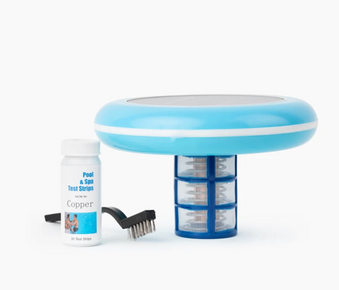
The conventional approach to swimming pool maintenance has historically relied heavily on chemical interventions including chlorine-based sanitizers, specialized algaecides, and periodic shock treatments to maintain water clarity and microbiological safety. While these chemical methodologies prove effective for basic sanitation, excessive or improper application frequently generates significant secondary complications including dermal and ocular irritation in swimmers, progressive degradation and fading of pool surfaces and equipment, accelerated corrosion of metallic components, and substantially elevated operational costs through continuous chemical procurement. Solar-powered pool ionizers present an innovative, environmentally sustainable alternative that leverages natural electrochemical processes to maintain water quality while dramatically reducing dependence on traditional chemical treatments.
Through controlled release of copper or specialized copper-silver ions that establish conditions fundamentally hostile to algal proliferation and microbial contamination, solar ionization systems support cleaner, clearer aquatic environments through completely natural mechanisms. This comprehensive technical examination explores the sophisticated scientific principles underlying ionization technology, details the multiple pathways through which reduced chemical dependency enhances both swimmer experience and equipment longevity, and provides evidence-based optimization strategies for maximizing system performance while minimizing chemical interventions.
Table of Contents
- Understanding the Role of Solar Ionizers in Pool Water Quality
- How Copper Ions Inhibit Algae Growth
- How Solar Ionizers Reduce the Need for Chlorine and Other Chemicals
- The Effect on Cloudiness and Water Clarity
- Environmental and Health Benefits of Reduced Chemical Use
- Best Practices to Maximize Ionizer Performance Without Chemicals
- Final Thoughts: Achieving Clean, Balanced Water Naturally
1. Understanding the Role of Solar Ionizers in Pool Water Quality
Solar ionization systems represent sophisticated electrochemical platforms that transform abundant solar energy into continuous water purification through controlled metal ion release. These advanced devices function through integrated photovoltaic conversion, precision electrochemical processes, and optimized hydraulic distribution to establish and maintain aquatic conditions that naturally resist biological contamination without generating harmful chemical byproducts.
Integrated System Operation and Component Synergy
The operational effectiveness of solar pool ionizers stems from carefully engineered interactions between multiple specialized components:
Photovoltaic Energy Conversion System:
- Solar Panel Array: Monocrystalline or polycrystalline silicon cells convert incident solar radiation into electrical current with typical efficiencies of 18-22% under standard conditions
- Power Management Electronics: Voltage regulation systems ensure consistent electrical characteristics despite fluctuating light conditions, while reverse current protection prevents electrode corrosion during darkness
- Energy Storage Considerations: While most systems operate exclusively during daylight, advanced models may incorporate minimal capacitance to maintain brief operation during temporary shading
Electrochemical Ion Generation Assembly:
- Anode Configuration: High-purity copper or copper-silver alloy electrodes undergo controlled oxidative dissolution, releasing metal ions according to Faraday's laws of electrolysis
- Cathode Complement: Corrosion-resistant titanium or stainless steel electrodes complete the electrical circuit while minimizing competing reactions
- Current Density Optimization: Precision engineering ensures ideal current distribution across electrode surfaces for consistent ion release without localized erosion
- Reaction Chamber Design: Specific geometries maximize electrode exposure to flowing water while preventing gas accumulation that could impede reactions
Continuous Water Treatment Mechanism
The ionization process establishes persistent pool water chemistry enhancement through multiple simultaneous pathways:
Sustained Ion Release Dynamics:
- Proportional Operation: Ion production correlates directly with solar intensity, naturally increasing during periods of heightened biological activity in warm, sunny conditions
- Therapeutic Concentration Maintenance: Systems maintain copper ion levels within the established 0.2-0.5 ppm range proven effective for algal prevention while remaining safe for swimmers and equipment
- Rapid Distribution: Released ions form stable aqueous complexes that circulate throughout the pool volume, reaching all areas including corners, steps, and other potential contamination sites
- Persistent Action: Copper ions remain active in water for extended periods, providing continuous protection even during overnight hours when ionization ceases

2. How Copper Ions Inhibit Algae Growth
Copper ions exert potent algistatic effects through multiple sophisticated biological interference mechanisms that disrupt essential cellular processes across various algal species. Understanding these complex interactions reveals why ionization provides such effective, persistent algal control without generating resistant strains or harmful byproducts.
Molecular-Level Interference Mechanisms
Copper ions disrupt algal viability through targeted interference with critical cellular components and processes:
Membrane Integrity Compromise:
- Electrostatic Disruption: Positively charged copper ions are strongly attracted to negatively charged membrane surfaces, where they displace essential calcium and magnesium ions that maintain structural stability
- Lipid Peroxidation Catalysis: Copper ions facilitate Fenton-like reactions that generate hydroxyl radicals, initiating chain reactions that degrade membrane lipids and increase permeability
- Protein Denaturation: Binding to membrane proteins alters their tertiary structure and disrupts essential functions including transport regulation and signal transduction
- Functional Consequences: Compromised membranes lose selective permeability, allowing uncontrolled leakage of cellular contents and entry of additional toxic substances
Metabolic Pathway Disruption:
- Photosynthetic Inhibition: Copper ions compete with manganese in photosystem II, disrupting the oxygen-evolving complex and preventing water splitting essential for photosynthetic electron transport
- Enzyme System Interference: Multiple critical enzymes including RuBisCO in the Calvin cycle experience significant activity reduction through metal ion binding to active sites or cofactors
- Energy Production Impairment: Mitochondrial electron transport chain components are particularly susceptible to copper interference, reducing ATP generation capacity
- Nutrient Processing Disruption: Enzymes involved in nitrogen assimilation and other nutrient processing pathways demonstrate copper sensitivity
Population-Level Control Strategies
Beyond individual cell impacts, copper ions effectively prevent pool algae population establishment and expansion:
Reproduction and Colonization Prevention:
- Cell Division Interference: Copper ions disrupt microtubule formation and other processes essential for cellular replication, preventing population expansion
- Spore Germination Inhibition: Therapeutic copper concentrations prevent algal spores from initiating germination, eliminating new colony establishment
- Biofilm Formation Disruption: Conditions created by continuous ionization discourage the surface colonization that typically precedes visible algal mats
- Communication System Interference: Some evidence suggests copper may disrupt quorum sensing mechanisms that coordinate population behaviors

3. How Solar Ionizers Reduce the Need for Chlorine and Other Chemicals
The integration of solar ionization into pool maintenance regimens creates substantial reductions in chemical consumption through multiple complementary mechanisms that collectively transform water management approaches from reactive chemical addition to proactive biological prevention.
Chlorine Demand Reduction Mechanisms
Ionization dramatically decreases chlorine consumption through several well-established pathways:
Organic Load Minimization:
- Algal Prevention: By preventing algal establishment, ionization eliminates the single largest consumer of chlorine in most pool environments
- Bacterial Control: Copper ions provide supplementary antibacterial action, reducing the microbial load that would otherwise consume chlorine
- Biofilm Prevention: Elimination of surface colonization prevents the protected microbial communities that typically resist chlorine penetration
- Oxidant Preservation: Reduced organic competition allows available chlorine to remain active against introduced contaminants rather than being consumed by established biological systems
Chemical Stability Enhancements:
- pH Fluctuation Reduction: Fewer chemical additions create more stable pH conditions, preventing the dramatic swings that reduce chlorine effectiveness
- Cyanuric Acid Optimization: Reduced chlorine consumption means stabilizer levels remain effective longer without requiring dilution or adjustment
- Combined Chlorine Prevention: Lower organic loading minimizes chloramine formation, maintaining higher percentages of active free chlorine
- Oxidation-Reduction Potential Stability: The continuous low-level oxidation provided by copper ions helps maintain more consistent ORP readings
Ancillary Chemical Reductions
Beyond chlorine, ionization reduces dependence on multiple other pool chemicals:
Algaecide Elimination:
- Preventive Approach: Ionization prevents algal establishment rather than reacting to existing blooms, eliminating need for quaternary ammonium or polymeric algaecides
- Resistance Prevention: Copper's multiple mechanisms of action prevent development of resistant algal strains that often necessitate increasingly powerful algaecides
- Surface Compatibility: Unlike some algaecides that can damage vinyl liners or specific finishes, copper ions at therapeutic concentrations are generally compatible with all pool surfaces
Specialty Chemical Reductions:
- Clarifier Demand Decrease: Reduced algal and biological loading means fewer suspended particles requiring polymeric clarification
- Metal Sequestrant Reduction: Copper ions help maintain other metals in solution, decreasing need for specialized sequestering agents
- Shock Treatment Frequency: With reduced organic accumulation, oxidative shocking becomes necessary primarily for contamination events rather than routine maintenance
- pH Adjustment Chemicals: More stable chemical environment requires less frequent acid or base additions to maintain optimal pH range
4. The Effect on Cloudiness and Water Clarity
Solar ionization significantly enhances pool water clarity. through multiple complementary mechanisms that address the primary causes of turbidity while supporting the filtration system's natural clarification capabilities.
Biological Cloudiness Prevention
The most dramatic clarity improvements stem from comprehensive biological control:
Algal Population Management:
- Microscopic Prevention: By preventing algal establishment at the cellular level, ionization eliminates the millions of microscopic cells that would otherwise scatter light and create green turbidity
- Exopolymer Reduction: Algae produce significant quantities of extracellular polymeric substances that contribute to haze; prevention eliminates this source
- Cell Lysis Prevention: Continuous control prevents the massive cell die-offs that often follow chemical treatments, avoiding the cloudiness from cellular debris
- Surface Film Elimination: Prevention of algal mats on pool surfaces eliminates the hazy appearance caused by light reflection from biological films
Bacterial and Microbial Control:
- Population Limitation: Copper ions suppress bacterial multiplication, reducing the microscopic populations that contribute to overall turbidity
- Biofilm Prevention: Elimination of surface colonization prevents the complex microbial communities that trap particulates and create localized cloudiness
- Nutrient Cycle Interruption: Reduced microbial activity decreases the recycling of organic materials that can contribute to turbidity
Physical and Chemical Clarity Enhancements
Beyond biological effects, ionization improves clarity through several physical mechanisms:
Particulate Interaction Dynamics:
- Coagulation Enhancement: Copper ions can facilitate natural flocculation processes, causing fine particles to aggregate into larger clusters more easily removed by pool filtration system
- Surface Charge Modification: Adsorbed copper ions alter particle zeta potentials, reducing repulsive forces that keep fine particles suspended
- Filter Efficiency Improvement: With reduced biological loading, filters can more effectively remove non-biological particulates
- Metal Stabilization: Copper ions help maintain other metals in solution, preventing oxidation to insoluble forms that cause cloudiness and staining

5. Environmental and Health Benefits of Reduced Chemical Use
The transition from chemical-dependent pool maintenance to ionization-supported systems delivers substantial benefits for both human health and environmental sustainability through multiple measurable pathways.
Swimmer Health and Comfort Enhancements
Reduced chemical exposure creates noticeably improved swimming experiences:
Dermal and Ocular Considerations:
- Irritation Reduction: Lower chlorine levels significantly decrease eye redness, skin dryness, and mucous membrane irritation commonly associated with traditional pool sanitation
- Chemical Sensitivity Accommodation: Individuals with chlorine sensitivity or specific chemical allergies can enjoy swimming without adverse reactions
- Natural Water Feel: Many swimmers report noticeably "softer" water feel with reduced chemical content, particularly regarding hair and skin texture after swimming
- Children's Health: Younger swimmers with developing systems benefit from reduced exposure to chemical sanitizers and their byproducts
Respiratory and Systemic Benefits:
- Chloramine Reduction: Lower chlorine demand decreases formation of chloramine compounds responsible for characteristic "chlorine smell" and associated respiratory irritation
- Volatile Compound Minimization: Reduced chemical additions mean fewer volatile organic compounds entering the air immediately above the pool surface
- Byproduct Elimination: Ionization avoids creation of disinfection byproducts like trihalomethanes that have raised health concerns in traditional pool environments
- Asthma and Respiratory Considerations: Individuals with asthma or other respiratory conditions often experience significantly reduced symptoms in ionized versus heavily chlorinated pools
Environmental Impact Reductions
The ecological benefits extend far beyond the pool environment:
Chemical Manufacturing and Transportation:
- Production Impact Reduction: Decreased chlorine demand reduces energy consumption and environmental impacts associated with industrial chlorine production
- Transportation Footprint: Fewer chemical purchases mean reduced transportation-related emissions from manufacturing facilities to distribution points to consumers
- Packaging Waste Reduction: Significant decrease in plastic containers, cardboard packaging, and other materials associated with chemical products
Water Discharge and Ecosystem Impacts:
- Drainage Water Quality: When pool water requires replacement or backwashing, ionized water introduces far fewer chemicals into the environment
- Soil and Plant Compatibility: Drainage water has minimal impact on surrounding vegetation and soil microbiology compared to heavily chlorinated water
- Water Conservation: More stable water chemistry often extends intervals between necessary water replacement, reducing overall consumption
- Aquatic Life Protection: Reduced chemical discharge helps protect sensitive aquatic ecosystems that might receive pool drainage
6. Best Practices to Maximize Ionizer Performance Without Chemicals
Achieving optimal chemical reduction while maintaining perfect water quality requires implementing specific operational and maintenance practices that maximize ionization effectiveness while supporting complementary natural processes.
System Optimization and Placement Strategies
Proper installation and positioning significantly influence ionization efficiency:
Solar Exposure Maximization:
- Obstruction Analysis: Carefully evaluate potential shading from structures, trees, or equipment throughout the day, not just at installation time
- Seasonal Considerations: Account for changing solar angles throughout the season, ensuring adequate exposure during lower-angle winter sun if applicable
- Reflection Utilization: Position to capture additional reflected light from water surface or light-colored pool surrounds
- Orientation Optimization: Ensure solar panel maintains proper orientation to the sun's path rather than being influenced by wind or water currents
Hydraulic Integration:
- Circulation Pattern Alignment: Position within primary circulation patterns to ensure efficient ion distribution rather than in stagnant areas
- Return Jet Proximity: Placement near return jets facilitates rapid distribution of newly ionized water throughout the entire pool volume
- Multiple Unit Considerations: For larger or complex-shaped pools, multiple strategically placed ionizers may provide more uniform coverage than a single unit
- Flow Rate Verification: Ensure adequate water movement across electrode surfaces for efficient ion transfer without excessive velocity that could cause turbulence issues
Maintenance and Monitoring Protocols
Consistent attention ensures ongoing optimal performance:
Component Maintenance Schedule:
- Anode Inspection: Monthly examination for erosion patterns, scale accumulation, or uneven wear that could reduce efficiency
- Basket Cleaning: Bi-weekly inspection and cleaning to ensure unrestricted water flow through protection system
- Solar Panel Maintenance: Weekly wiping to remove dust, pollen, or other deposits that reduce light transmission
- Electrical Connection Verification: Quarterly inspection for corrosion, loose connections, or insulation compromise that could reduce efficiency
Water Chemistry Management:
- Copper Level Monitoring: Weekly testing to ensure concentrations remain within the 0.2-0.5 ppm therapeutic range
- pH Stability Maintenance: Regular verification that pH remains between 7.2-7.6 to optimize copper solubility and effectiveness
- Complementary Sanitation: Maintain minimal chlorine levels (0.5-1.0 ppm) to address introduced contaminants while ionization handles established biological systems
- Total Dissolved Solids Control: Monitor TDS levels and implement partial water replacement when necessary to maintain ion mobility and effectiveness

7. Final Thoughts: Achieving Clean, Balanced Water Naturally
Solar pool ionizer represents a fundamental transformation in swimming pool water management, shifting the paradigm from reactive chemical treatment to proactive biological prevention. Through sophisticated electrochemical processes that leverage natural elements, these systems establish and maintain aquatic environments that resist contamination while minimizing the chemical interventions traditionally associated with pool maintenance.
The comprehensive benefits extend beyond simple algae prevention to encompass enhanced water clarity, improved swimmer comfort, reduced environmental impact, and significant operational cost savings. When properly implemented and maintained, ionization systems can reduce chemical consumption by 60-80% while maintaining superior water quality compared to traditional approaches. This represents not merely an incremental improvement but a fundamental reimagining of what constitutes effective, responsible pool care.
Ultimately, the integration of solar ionization technology enables pool owners to achieve the seemingly contradictory goals of impeccable water quality and minimal chemical use. Through understanding the underlying principles, implementing proper maintenance practices, and recognizing the complementary relationship between ionization and minimal chemical supplementation, pool enthusiasts can enjoy the numerous benefits of naturally balanced, crystal-clear water while contributing to a more sustainable approach to aquatic recreation.