For generations, chlorine has been the standard solution for keeping pool water clean and safe. However, it comes with significant drawbacks such as skin and eye irritation, chemical odors, bleaching effects, and high long term costs. As people become more conscious of environmental sustainability and personal health, there is a growing shift toward natural, low maintenance alternatives that provide effective water purification without the negative side effects associated with traditional chemical treatments.
One of the most promising innovations in this area is the solar pool ionizer. By using sunlight and natural minerals like copper and silver, this simple yet advanced technology keeps crystal-clear pool water without relying heavily on chlorine or other chemicals. It provides a healthier, more eco friendly swimming experience and has quickly become a preferred choice among modern pool owners who value sustainability, convenience, and superior water quality.
This comprehensive guide explains exactly how solar pool ionizers work, their numerous advantages over traditional chlorine based systems, and why they are leading the movement toward chemical free pool care. Whether you are a new pool owner considering your maintenance options or an experienced pool enthusiast looking to reduce chemical dependency, this article will provide the detailed information you need to make an informed decision about this revolutionary pool maintenance technology.
Table Of Contents
- What Is a Solar Pool Ionizer
- How Solar Ionization Works
- The Drawbacks of Traditional Chlorine Systems
- Major Benefits of Solar Pool Ionizers
- Environmental and Health Advantages
- Installation and Maintenance Guidelines
- Final Thoughts: The Future of Clean Swimming with Solar Ionizers
1. What Is a Solar Pool Ionizer
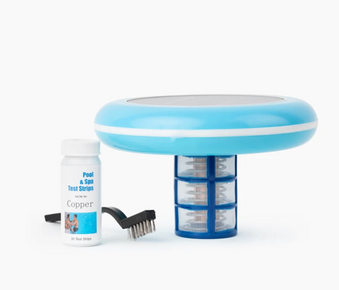
A solar pool ionizer is a compact, self contained floating device that purifies pool water using the natural power of the sun. This innovative system represents a significant advancement in pool maintenance technology, providing effective water sanitation without the drawbacks associated with traditional chemical treatments. The device contains a solar panel that converts sunlight into a low voltage electrical current, typically between 1.5 and 3 volts, which powers the entire purification process without requiring any external electricity sources or battery replacements.
The electrical current generated by the solar panel passes between two metallic components called the anode and cathode, which are strategically positioned within the device to maximize water contact and ion distribution. The anode, usually made of high purity copper or specialized copper alloys, serves as the active purification component that releases positively charged copper ions into the water. These ions function as natural sanitizers, systematically eliminating algae, bacteria, viruses, and other microorganisms that can make pool water cloudy, unsafe, or unpleasant for swimming.
Component Structure and Function
The device incorporates several key components that work together to create an efficient water purification system. The solar panel represents the power generation unit, constructed from durable photovoltaic materials designed to withstand constant water exposure while efficiently converting sunlight into usable electrical energy. This panel captures solar radiation throughout daylight hours, providing continuous power for the ionization process whenever sufficient sunlight is available.
The copper anode constitutes the heart of the purification system, engineered to release copper ions at a controlled rate determined by current flow and water conditions. The specific copper composition is carefully selected to balance ion release efficiency with electrode longevity, ensuring consistent performance throughout the swimming season. The metal cathode completes the electrical circuit, typically constructed from corrosion resistant materials such as stainless steel or titanium that maintain structural integrity despite continuous water exposure.
A protective mesh cage surrounds the active components, serving multiple important functions including preventing debris accumulation, protecting electrodes from physical damage, and ensuring optimal water flow across electrode surfaces. The entire assembly is housed within a buoyant, waterproof enclosure that maintains proper solar panel orientation while keeping electrodes submerged for maximum water contact and ion distribution efficiency.

2. How Solar Ionization Works
Solar ionization operates through the scientific process of electrolysis, where a low electrical current triggers natural chemical reactions that purify pool water without harmful chemicals. When sunlight hits the solar panel, its photovoltaic cells generate a mild electrical charge that flows through two metal electrodes placed in the pool water. These electrodes, known as the anode and cathode, create an electrical potential difference. As a result, the copper anode slowly releases copper ions into the water through oxidation. These ions act as natural sanitizing elements, helping to maintain clean and balanced pool water while reducing the need for chemical additives.
Step-by-Step Breakdown of the Process
- Sunlight strikes the solar panel and activates the photovoltaic cells.
- The cells generate a small but steady electrical current powered by solar energy.
- This current flows between the anode and cathode placed underwater.
- The copper anode undergoes oxidation and releases copper ions into the pool water.
- These ions disperse evenly throughout the pool, creating a sanitizing environment.
Action of Copper Ions in the Water
Once released, the copper ions spread evenly across the pool and interact with impurities suspended in the water. These ions are positively charged and are naturally drawn to negatively charged particles, including algae, bacteria, and viruses. When they come into contact with these microorganisms, they attach themselves to their cell walls and gradually penetrate the outer layers. Inside the cells, the copper ions interfere with essential biological processes such as enzyme function, respiration, and nutrient absorption. This disruption weakens the microorganisms and ultimately destroys them, preventing further growth and contamination.
- Copper ions attack and damage microbial cell membranes.
- They interfere with enzyme systems necessary for survival.
- They prevent reproduction and the formation of algae colonies.
- They help maintain clear, healthy, and odor-free water without chlorine.
Continuous and Self-Regulating Purification
One of the major advantages of solar ionization is its ability to purify the pool water continuously without manual control. The system automatically adjusts its output based on sunlight intensity and water temperature. During bright and hot conditions, when algae growth tends to accelerate, the system produces more ions to counteract the increase in microorganisms. On cooler or cloudy days, the output naturally decreases, conserving energy and maintaining balance. This self-regulating process ensures that water quality remains stable and clean without constant human monitoring.
Longevity and Residual Protection
The copper ions produced during solar ionization remain active for extended periods, often lasting several days or even weeks depending on environmental factors and water composition. This long-lasting effect creates a residual layer of protection that continues to sanitize the water even when sunlight is low or the system is temporarily inactive. Unlike chlorine, which evaporates quickly under UV exposure and requires frequent refilling, copper ions are stable and maintain their sanitizing power much longer. This persistence helps maximize pool water clarity prevents algae buildup, and ensures consistent hygiene levels.
Key Benefits of Solar Ionization
- Reduces or eliminates the need for harsh chlorine chemicals.
- Minimizes skin, eye, and respiratory irritation for swimmers.
- Automatically adjusts purification levels according to sunlight.
- Provides a natural, eco-friendly, and energy-efficient cleaning method.
- Leaves water feeling softer, clearer, and more pleasant to swim in.
- Offers long-term cost savings by reducing chemical and maintenance expenses.
Solar ionization represents a modern, sustainable approach to pool sanitation. By combining renewable solar energy with the natural purifying properties of copper ions, it delivers a continuous, automated, and environmentally responsible method of maintaining clean water. It not only safeguards health and comfort but also supports long-term ecological balance, offering a smart and reliable solution for pool owners seeking a safer, greener, and more efficient water purification system.

3. The Drawbacks of Traditional Chlorine Systems
For many decades, chlorine has been the dominant chemical used to disinfect and sanitize swimming pool water. Its ability to destroy a wide range of harmful microorganisms such as bacteria, viruses, and algae has made it a standard in pool maintenance practices around the world. However, despite its effectiveness, chlorine use presents a variety of problems that affect human health, swimmer comfort, equipment durability, and environmental sustainability. Understanding these drawbacks reveals why an increasing number of pool owners and operators are shifting toward alternative sanitation technologies such as solar ionization, mineral purification, and advanced oxidation systems.
Health and Comfort Issues
Prolonged exposure to chlorinated water can cause numerous health and comfort issues for swimmers. The oxidative strength that makes chlorine effective as a disinfectant also makes it harsh on human tissue. When swimmers spend extended time in chlorinated pools, the chemical strips away the natural oils that protect skin and hair, resulting in dryness, irritation, flakiness, and premature aging of the skin. Hair often becomes brittle, dull, and discolored, especially for individuals with chemically treated or light-colored hair.
Eye irritation, commonly known as swimmer’s eye, occurs when chlorine reacts with the sensitive membranes of the eyes. This leads to redness, watering, and a burning sensation. The discomfort is especially noticeable among children, contact lens wearers, and individuals with pre-existing eye sensitivities. In addition to skin and eye problems, inhaling chlorine vapors or chloramine compounds can irritate the respiratory tract. These compounds are created when chlorine interacts with organic materials like sweat, oils, sunscreen, and urine. The result is an unpleasant, often overwhelming odor that can cause coughing, shortness of breath, and even trigger asthma attacks in sensitive individuals.
Common Health Reactions Caused by Chlorine Exposure:
- Dryness, itchiness, and redness of the skin.
- Hair damage and discoloration over time.
- Eye irritation and conjunctival redness, especially in children.
- Respiratory discomfort from inhaling chlorinated vapors.
- Allergic responses such as rashes or hives in sensitive users.
The strong “pool smell” that many associate with cleanliness is actually a sign of poor water balance. The odor is caused by chloramines, which form when chlorine reacts with organic matter. These chloramines are less effective sanitizers than free chlorine and indicate that the water contains waste buildup. In indoor pools or enclosed environments, these gases accumulate and contribute to reduced air quality, leading to eye and throat irritation among swimmers, staff, and spectators. Over time, this can create a harsh and unpleasant swimming experience for regular users.
Operational Challenges and Maintenance Complexity
Maintaining a consistent chlorine balance is one of the most difficult aspects of traditional pool care. Chlorine levels can fluctuate rapidly due to sunlight, temperature, rainfall, bather load, and organic contamination. Ultraviolet rays from sunlight break down chlorine molecules through a process called photolysis, reducing its disinfecting strength. To counteract this, stabilizing chemicals such as cyanuric acid are added, but excessive use of stabilizers can reduce chlorine’s effectiveness, creating another layer of complexity.
Because chlorine is unstable, pool operators must constantly measure and adjust chlorine concentration, pH levels, alkalinity, and stabilizer ratios. Even small deviations can lead to unsafe swimming conditions either from over-chlorination, which causes skin and eye irritation, or under-chlorination, which allows microbial growth. This delicate balance demands frequent testing, chemical dosing, and system calibration, often multiple times a week.
Key Operational Drawbacks of Chlorine Systems:
- Requires constant testing and balancing of multiple chemical levels.
- Degrades quickly in sunlight, necessitating frequent reapplication.
- Unpredictable fluctuations due to varying environmental conditions.
- Overuse of stabilizers can reduce disinfection efficiency.
- High maintenance time and labor requirements.
For many homeowners and pool technicians, this ongoing chemical juggling act becomes both tedious and expensive. Inconsistent chlorine levels often result in cycles of over-treatment followed by under-treatment, causing water clarity problems, unpleasant odors, and potential health risks. Even experienced pool owners find the process inconvenient, especially during periods of heavy use or extreme weather conditions when chlorine demand spikes unpredictably.
Environmental and Ecological Concerns
The environmental consequences of chlorine use extend beyond the boundaries of the pool itself. Backwash water and drainage containing chlorine and chloramine residues can enter storm drains and local waterways, where they pose a serious threat to aquatic life. Even in low concentrations, chlorine is toxic to fish and other aquatic organisms, disrupting ecosystems and harming biodiversity. Soil microorganisms can also be affected when chlorinated water seeps into the ground, potentially altering soil chemistry and nutrient balance.
The manufacturing and transport of chlorine products contribute to industrial pollution, energy consumption, and carbon emissions. Chlorine production often involves processes such as the electrolysis of salt brine, which can generate harmful byproducts if not carefully managed. Packaging materials, distribution logistics, and chemical storage further increase the overall environmental footprint of chlorine-based sanitation systems.
Environmental Risks Associated with Chlorine Use:
- Release of chlorine compounds and disinfection byproducts into natural waterways.
- Toxic effects on fish, algae, and beneficial aquatic microorganisms.
- Increased chemical waste from packaging and disposal.
- Carbon footprint from manufacturing, shipping, and frequent chemical production cycles.
- Long-term ecological imbalance caused by chlorine runoff and accumulation.
Economic Costs and Equipment Damage
Chlorine maintenance involves not only the cost of purchasing chlorine but also the added expenses of pH balancers, stabilizers, algaecides, test kits, and shock treatments. These costs accumulate significantly over time, making chlorine pools more expensive to maintain in the long run compared to alternative systems. Frequent use of harsh chemicals accelerates wear and tear on pool equipment such as pumps, filters, heaters, and liners. Corrosive reactions from chlorinated water can damage metal fittings, erode pool surfaces, and shorten the lifespan of mechanical components.
Over several swimming seasons, the cumulative financial impact becomes substantial. Homeowners must budget not only for the ongoing cost of chemicals but also for more frequent equipment repairs or replacements. This recurring expense, combined with the labor involved in regular testing and adjustments, makes chlorine a less attractive option for those seeking efficiency and sustainability.
Summary of Economic Drawbacks:
- High and recurring chemical costs throughout the year.
- Additional spending on pH adjusters, stabilizers, and algaecides.
- Corrosion and premature wear of equipment and pool surfaces.
- Frequent maintenance leading to higher labor or service costs.
- Decreased long-term return on investment due to chemical dependency.
While chlorine has been a cornerstone of pool sanitation for generations, its disadvantages are becoming increasingly difficult to ignore. From its impact on health and comfort to its operational challenges, environmental consequences, and economic burden, chlorine-based maintenance systems represent an outdated approach to modern pool care. As awareness grows about eco-friendly technologies and sustainable water management, more pool owners are exploring natural alternatives such as solar ionization. These systems provide cleaner water, reduced maintenance, and a healthier swimming experience without relying on harsh chemicals, marking a significant evolution in the pursuit of safer and more sustainable pool environments.

4. Major Benefits of Solar Pool Ionizers
Solar pool ionizers provide numerous significant advantages that address the limitations of traditional chlorine systems while introducing additional benefits that enhance the overall pool ownership experience. These systems represent a fundamental improvement in pool maintenance technology, offering superior performance through innovative approaches to water purification.
Chemical Reduction and Water Quality
The most notable benefit of solar ionization is the dramatic reduction in chemical dependency, typically achieving 85 to 90 percent decrease in chlorine usage while maintaining excellent water quality. This substantial chemical reduction transforms pool maintenance from a chemically intensive process to a minimally invasive system that preserves water's natural characteristics. The ionized water maintains neutral pH balance with minimal adjustment, feels noticeably softer and silkier against the skin, and lacks the harsh chemical odor associated with traditional pools.
The water quality improvements extend beyond basic sanitation to include enhanced clarity, reduced surface tension, and improved light transmission characteristics. Many users report that ionized water appears more brilliant and sparkling, with visual appeal that makes pools more inviting. The absence of chemical treatments helps preserve the integrity of swimwear, pool accessories, and structural materials, extending their functional lifespan and maintaining their appearance over time.
Microbiological Control Effectiveness
Solar ionization provides exceptional prevention against pool algae growth through continuous, proactive contamination control. The persistent presence of copper ions creates an environment fundamentally hostile to microorganism development, preventing problems before they become visible rather than reacting to established contamination. This proactive approach eliminates the cycle of algae blooms, shock treatments, and recovery periods that characterize traditional pool maintenance during challenging conditions.
The broad spectrum antimicrobial action effectively controls diverse microorganisms including green algae, black algae, mustard algae, bacteria, viruses, and fungi. Unlike specialized chemical treatments that target specific organism types, copper ions provide comprehensive protection across the microbial spectrum. This eliminates the need for multiple specialized products and simplifies maintenance routines while ensuring consistent water safety and clarity regardless of environmental conditions or usage patterns.
Operational and Economic Advantages
Solar ionization systems operate with exceptional efficiency, utilizing free solar energy to power the purification process without ongoing energy costs. The completely automated operation requires no programming, timer settings, or manual adjustments, significantly reducing the time and attention required for proper pool maintenance. This convenience factor proves particularly valuable for vacation homes, rental properties, and busy households where consistent maintenance attention may be challenging.
The economic benefits extend beyond chemical savings to include reduced equipment maintenance, extended component lifespan, and decreased professional service requirements. The non corrosive nature of ionized water prevents deterioration of pumps, filters, heaters, and structural surfaces, minimizing replacement costs and maintenance interventions. Most users recover their initial investment within one to two swimming seasons through combined chemical and maintenance savings, with continuing economic advantages throughout the system's operational life.
5. Environmental and Health Advantages
Solar pool ionizers provide a combination of environmental, health, and operational benefits that make them one of the most sustainable and responsible water purification technologies available for modern pools. They represent a forward-thinking approach to pool ownership that harmonizes environmental stewardship with swimmer safety, comfort, and convenience. By eliminating the dependence on synthetic chemicals and utilizing renewable solar energy, these systems allow homeowners to maintain clean, crystal-clear water in a manner that is both eco-friendly and health-conscious.
Environmental Sustainability Features
The environmental benefits of solar ionization systems begin with their power source. These devices operate entirely on renewable solar energy, using sunlight to generate the low-voltage current needed for ion production. This independence from traditional electricity sources reduces fossil fuel dependency and eliminates the indirect emissions associated with grid-powered pool systems. Over time, this transition to renewable energy significantly lowers the carbon footprint of pool maintenance operations.
The operational efficiency of solar ionizers extends beyond energy use. Because they rely on naturally occurring minerals, they eliminate the need for continuous chemical manufacturing, packaging, transportation, and disposal. Unlike chlorine production which involves energy-intensive industrial processes that contribute to air and water pollution ionizer systems consist of durable, long-lasting components such as copper and silver electrodes. These materials are corrosion-resistant and require minimal replacement, reducing industrial waste and resource consumption.
Key Environmental Advantages:
- Operates entirely on renewable solar energy, reducing fossil fuel dependence.
- Eliminates greenhouse gas emissions associated with chemical production and transport.
- Durable system components minimize waste and extend product lifespan.
- Reduces packaging waste and pollution from chemical containers.
- Promotes sustainable pool operation aligned with global green energy initiatives.
Another major environmental advantage of solar ionization is the minimal impact on surrounding ecosystems. Ionized pool water contains trace mineral concentrations that are safe for natural discharge. When pool water is backwashed, drained, or released into the environment, it poses no significant threat to plants, animals, or soil microorganisms. This contrasts sharply with chlorinated pool water, which often contains harmful disinfection byproducts that can damage vegetation and disrupt aquatic habitats. For properties located near lakes, streams, or protected ecosystems, solar ionization provides a far safer and more responsible sanitation choice.
Environmental Protection Through Responsible Water Management:
- Ionized water is environmentally safe for disposal and irrigation.
- No release of harmful chlorine or chloramine byproducts into natural waterways.
- Helps preserve biodiversity by protecting aquatic life and soil health.
- Supports compliance with regional environmental discharge regulations.
- Contributes to overall water conservation and eco-friendly resource management.
Health and Wellness Benefits
In addition to their environmental advantages, solar pool ionizers provide significant health and wellness benefits for swimmers. Traditional pools maintained with chlorine or bromine can cause a range of physical discomforts, including dry skin, eye redness, and respiratory irritation. By contrast, ionized pools offer a smooth, gentle, and hypoallergenic water experience that eliminates exposure to harsh chemical compounds. This makes swimming safer and more enjoyable for individuals of all ages, including those with asthma, eczema, sensitive skin, or allergies to chemical disinfectants.
The natural purification process of ionization ensures that the water remains free from pathogens while maintaining its mineral balance. Swimmers can enjoy extended periods in the pool without experiencing the dryness, itching, or chemical film that often accompanies chlorinated water. Parents of young children and individuals with respiratory sensitivities particularly benefit from the absence of chloramine vapors, which are known to cause coughing, wheezing, and irritation in enclosed spaces.
Health and Comfort Enhancements:
- Eliminates exposure to harmful chlorine compounds and their byproducts.
- Prevents common issues like dry skin, eye irritation, and hair damage.
- Provides a hypoallergenic environment suitable for sensitive individuals.
- Reduces risk of respiratory irritation caused by chemical vapors.
- Encourages longer, more enjoyable swimming sessions without discomfort.
Another important benefit is the improved air quality surrounding ionized pools. Because solar ionizers do not produce chloramines or volatile organic compounds, the air around the pool remains fresh and clean. This improvement is especially valuable for indoor pools or those enclosed within residential structures, where chemical buildup can become trapped in the air and lead to unpleasant odors or health complaints. The cleaner, more natural atmosphere enhances the overall swimming experience and makes pool areas more inviting and comfortable for both swimmers and observers.
Overall Well-Being and Lifestyle Impact
Solar pool ionization contributes not only to physical health but also to an improved quality of life. The absence of chemical handling tasks and frequent testing reduces maintenance stress for pool owners. Without the need to purchase, store, and manage hazardous substances, the risk of accidental spills, skin burns, or inhalation hazards is eliminated. The simplicity of solar ionization systems combined with their low upkeep and long-term efficiency allows users to focus more on relaxation, recreation, and wellness rather than ongoing maintenance chores.
Beyond personal well-being, the adoption of solar ionization aligns with a growing global movement toward sustainability and environmental responsibility. Homeowners who choose these systems actively reduce their ecological footprint while promoting a cleaner, healthier planet. This balance between environmental consciousness and personal comfort represents the future of responsible pool ownership and a meaningful step toward sustainable living.
Solar pool ionizers stand as a modern solution that seamlessly integrates health, environmental sustainability, and long-term economic value. By harnessing renewable solar energy and eliminating dependence on chemical disinfectants, they provide a safe, natural, and effective method of maintaining pristine water conditions. Their benefits extend far beyond the pool itself protecting the environment, improving human health, and supporting the global shift toward renewable technologies. For homeowners seeking a healthier, more sustainable, and maintenance-free approach to pool care, solar ionization represents the ideal path forward.

6. Installation and Maintenance Guidelines
Solar pool ionizers are designed for exceptionally easy installation and straightforward maintenance, making them ideal for both new and existing pools regardless of the owner's technical expertise or previous pool maintenance experience. The simplicity of these systems represents one of their most appealing features for modern homeowners seeking effective yet convenient pool care solutions.
Simple Installation Process
Installing a solar pool ionizer requires no technical skills, special tools, or professional assistance. Simply place the device on your pool's surface in an area that receives maximum sunlight exposure throughout the day. The system will float freely and begin functioning immediately upon exposure to sunlight, with no startup procedures, priming requirements, or initial configuration needed. The automatic operation means you can install the unit and enjoy continuous protection without any further attention beyond basic periodic maintenance.
For optimal performance, position the ionizer away from water features, skimmers, or pool return jets that might create excessive turbulence or draw the unit into areas with limited water circulation. Most models include optional attachment points if securing the unit in a specific location is preferred, though free floating operation typically provides adequate movement for even ion distribution throughout the pool. The solar panel should face directly upward toward the sky, avoiding angles that might reduce sunlight capture efficiency during different times of day.
Straightforward Maintenance Requirements
Maintaining a solar pool ionizer involves simple, periodic procedures that ensure consistent performance throughout the swimming season. Remove and clean the anode every two to four weeks to prevent mineral buildup that could reduce ionization efficiency. Use a soft brush and clean water to gently remove any scale or deposits, avoiding abrasive tools or harsh chemicals that could damage the electrode surfaces. For stubborn accumulation, soaking the anode in a vinegar solution before brushing can help loosen deposits without damaging the metal.
Test copper ion levels regularly using a reliable test kit, maintaining concentrations between 0.2 and 0.5 parts per million for optimal performance and safety. This simple testing takes just minutes and provides valuable information about system performance and water quality. Replace the anode when it becomes significantly worn, typically after several months to a year of use depending on pool size and usage patterns. Most manufacturers offer replacement anodes specifically designed for their systems, ensuring perfect compatibility and consistent performance.
Seasonal Care and Storage
During the off season or when closing your pool for winter, proper storage procedures will protect your investment and ensure ready operation when swimming season returns. Remove the ionizer from the pool and clean it thoroughly according to manufacturer instructions. Ensure all components are completely dry before storage to prevent mold, mildew, or corrosion during the storage period. Store the device in its original packaging if possible, or place it in a clean, dry container protected from temperature extremes, moisture, and direct sunlight.
With proper seasonal care, a quality solar pool ionizer can provide many years of reliable, effective service, making it an excellent long term investment in sustainable pool maintenance. The minimal maintenance requirements and straightforward procedures make these systems ideal for pool owners seeking effective water purification without the complexity and time commitment of traditional chemical maintenance.
7. Final Thoughts: The Future of Clean Swimming with Solar Ionizers
The evolution of pool care technology is progressing decisively toward solutions that prioritize sustainability, health consciousness, and operational simplicity. Solar pool ionizers perfectly embody this progression, integrating renewable energy utilization with natural purification mechanisms to create a comprehensive pool care approach that addresses the limitations of traditional methods while introducing significant additional benefits that enhance the overall pool ownership experience.
This technology represents more than merely an alternative sanitation method. It constitutes a fundamental reimagining of pool maintenance philosophy that aligns with broader societal shifts toward environmental responsibility, health awareness, and lifestyle simplification. Pool owners increasingly recognize that crystal clear, safe swimming water need not come with chemical side effects, operational complexity, or significant environmental impact. Solar ionization provides a proven, effective solution that delivers superior results through natural processes rather than chemical interventions.
The demonstrated effectiveness of solar ionization systems, combined with their substantial economic advantages and environmental benefits, positions this technology as the definitive future of residential pool care. As manufacturing advancements continue improving efficiency and affordability, and as user experience confirms long term reliability and performance, market adoption will inevitably accelerate. The technology already demonstrates compelling advantages for diverse pool types including residential pools, therapeutic pools, educational facilities, and commercial installations where swimmer comfort and chemical minimization are prioritized.
Embracing solar pool ionization represents an intelligent investment in sustainable pool ownership that delivers immediate benefits while contributing to long term environmental stewardship. The technology enables families to enjoy their pools more fully, reduces maintenance burdens, minimizes chemical handling, and creates swimming experiences more closely aligned with natural water recreation. As awareness grows and technology continues advancing, solar ionization will undoubtedly become the standard approach for conscientious pool owners worldwide, establishing a new paradigm for clean, sustainable swimming that future generations will appreciate and continue developing.