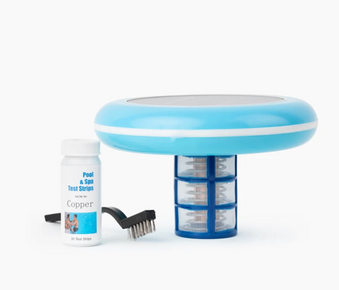
Leslie's Standard Pool Closing Kit provides essential chemicals for winterizing your pool. Balance pH and alkalinity, add stain preventer, shock pool, add algaecide and winterizer, lower water level, drain equipment, install cover. This guide covers complete winterization procedures, chemical application order, and best practices for protecting your pool during winter months.
Table of Contents
- What is Leslie's Standard Pool Closing Kit?
- Before You Begin: Pre Closing Checklist
- Step by Step Pool Closing Guide
- Chemical Application Order and Timing
- Equipment Winterization
- Pool Cover Installation
- Pro Tips for Successful Pool Closing
- Troubleshooting Common Closing Issues
- Frequently Asked Questions
What is Leslie's Standard Pool Closing Kit?
Leslie's Standard Pool Closing Kit is a comprehensive chemical package designed to simplify fall pool winterization. This all in one kit contains the essential chemicals needed to protect your pool water and surfaces during winter months, preventing algae growth, staining, and scale buildup while your pool is closed. The kit eliminates the guesswork and ensures you have everything required for a successful pool closing.
What's Included in the Standard Closing Kit
The kit typically includes chemicals for pools up to 30,000 gallons:
- Winterizing algaecide: Prevents algae growth during winter
- Chlorine shock: Sanitizes and oxidizes pool water before closing
- Stain and scale preventer: Protects against metal staining and calcium buildup
- pH increaser or decreaser: Balances pH levels
- Alkalinity increaser: Stabilizes pH buffer capacity
- Test strips: For testing water chemistry
- Instructions: Step by step closing guide
Benefits of Using a Closing Kit
- Complete solution: All chemicals in one convenient package
- Proper proportions: Pre measured for optimal results
- Cost effective: Less expensive than buying chemicals separately
- Simplified process: Clear instructions eliminate confusion
- Professional results: Formulated by pool care experts
- Time saving: No need to shop for individual chemicals
- Protects investment: Prevents winter damage to pool
Before You Begin: Pre Closing Checklist
Gather Your Supplies
In addition to the closing kit, you'll need:
- Pool brush for walls and floor
- Pool vacuum (manual or automatic)
- Skimmer net for debris removal
- Winter pool cover
- Cover pump (for removing water from cover)
- Winterizing plugs for skimmer and returns
- Pool antifreeze (if needed for plumbing)
- Air compressor or shop vac (for blowing out lines)
Learn about the best pool brushes and how to use them and the pros and cons of automatic pool cleaners.
Choose the Right Time
Timing is important for successful pool closing:
- Close when temperatures consistently drop below 65°F
- Don't close too early (algae can still grow in warm water)
- Don't close too late (risk of freeze damage)
- Choose a day with mild weather for closing
- Plan for 1 to 2 days to complete closing process
- Check local weather forecast before starting
Inspect Pool Equipment
Check all equipment before closing:
- Pool pump: Check for leaks or damage
- Filter: Inspect for cracks or wear
- Heater: Look for corrosion
- Plumbing: Check all pipes and fittings
- Pool surface: Inspect for damage needing repair
- Ladder and rails: Check for loose or damaged parts
Step by Step Pool Closing Guide
Step 1: Clean Pool Thoroughly
Before adding chemicals, clean the pool completely:
- Skim surface to remove all floating debris
- Brush entire pool surface (walls and floor)
- Vacuum pool bottom thoroughly
- Empty and clean skimmer and pump baskets
- Clean tiles and waterline
- Remove as much debris as possible
- Backwash or clean filter
For effective debris removal, see dealing with leaves and debris in your pool and how to clean pool tiles effectively.
Step 2: Test Initial Water Chemistry
Before adding any chemicals, test your water:
- pH: Target 7.2 to 7.6
- Total Alkalinity: Target 80 to 120 ppm
- Free Chlorine: Note current level
- Calcium Hardness: Target 200 to 400 ppm
- Record all readings for reference
Learn about how to maintain your pool's pH balance and how to manage pool water hardness.
Step 3: Apply Closing Kit Chemicals
Follow this specific order for chemical application from Leslie's Standard Closing Kit:
Chemical Application Order (Critical)
1. Adjust Alkalinity First (If Needed)
When: If total alkalinity is below 80 ppm
- Use alkalinity increaser from kit
- Follow kit instructions for dosage
- Broadcast around pool perimeter with pump running
- Wait 4 hours before next chemical
- Retest alkalinity
2. Adjust pH (If Needed)
When: After alkalinity is balanced
- Use pH increaser or decreaser from kit
- Add based on test results
- Wait 4 hours then retest pH
- Target pH 7.2 to 7.6 before shocking
3. Add Stain and Scale Preventer
When: After pH and alkalinity are balanced
- Add entire bottle of stain preventer from kit
- Pour around pool perimeter
- Protects against metal staining during winter
- Wait 15 minutes before adding shock
4. Shock the Pool
When: After pH, alkalinity, and stain preventer
- Add entire shock package from kit
- Dissolve in bucket first if using granular
- Pour around pool perimeter in evening
- Run pump for 8 to 12 hours
- Wait 24 hours before adding winterizer
Learn about how to use a solar pool ionizer after shocking your pool.
5. Add Winterizing Algaecide
When: 24 hours after shocking
- Add entire winterizing algaecide bottle from kit
- Pour around pool perimeter with pump running
- Prevents algae growth during winter months
- Run pump for 2 to 4 hours to circulate
Safety Precautions
- Wear gloves and safety goggles when handling chemicals
- Add chemicals to water, never water to chemicals
- Never mix different chemicals together
- Store chemicals in cool, dry place away from each other
- Keep chemicals away from children and pets
- Wash hands thoroughly after handling
- Follow all product label instructions
Step 4: Winterize Pool Equipment
Lower Water Level
Reduce water level to prevent freeze damage:
- Lower water 4 to 6 inches below skimmer opening
- Use submersible pump or backwash to waste
- Don't drain pool completely (can damage structure)
- Water level protects pool walls during winter
Drain and Winterize Equipment
Pool Pump:
- Turn off pump at breaker
- Remove drain plugs from pump
- Store drain plugs in pump basket
- Remove any water from pump housing
- Cover pump or store indoors if possible
Pool Filter:
- Backwash or clean filter one final time
- Set multiport valve to winterize position
- Remove drain plug from filter tank
- Store drain plug with pump plugs
- Leave valve open to prevent pressure buildup
Pool Heater:
- Turn off heater and gas/electric supply
- Drain all water from heater
- Remove drain plugs
- Follow manufacturer's winterization instructions
Blow Out Plumbing Lines
Remove water from plumbing to prevent freeze damage:
- Use air compressor or shop vac
- Blow out skimmer lines
- Blow out return lines
- Blow out main drain line
- Continue until only air comes out
- Install winterizing plugs in all lines
- Add pool antifreeze to lines if needed
Winterize Accessories
- Remove and store pool ladder
- Remove diving board if applicable
- Remove and store pool cleaner
- Remove solar ionizer and store indoors
- Drain and store pool toys and floats
- Remove and clean skimmer baskets
Learn about solar pool ionizer and its replacement kits and how to keep your solar pool ionizer running efficiently.
Step 5: Install Pool Cover
Prepare Pool for Cover
- Ensure water level is correct (4 to 6 inches below skimmer)
- Remove any remaining debris from pool surface
- Clean pool deck around pool edge
- Check that all winterizing plugs are installed
Install Winter Cover
Solid Cover Installation:
- Unfold cover and position over pool
- Center cover evenly over pool
- Secure cover with water bags or cover clips
- Place water bags every 3 to 4 feet around perimeter
- Fill water bags 3/4 full (allows for ice expansion)
- Ensure cover is tight and secure
Mesh Cover Installation:
- Position mesh cover over pool
- Attach springs or straps to anchors
- Tighten evenly around pool
- Ensure cover is drum tight
- Check that cover won't sag into pool
Final Cover Check
- Verify cover is secure and won't blow off
- Check that water bags are properly positioned
- Ensure no gaps where debris can enter
- Cover should be tight but not overstretched
- Plan to check cover periodically during winter
Pro Tips for Successful Pool Closing
Expert Tips from Pool Professionals
- Don't close too early: Wait until temperatures consistently drop below 65°F
- Clean thoroughly first: Remove all debris before adding chemicals
- Balance in order: Always adjust alkalinity first, then pH
- Shock at night: Add shock in evening for maximum effectiveness
- Run pump adequately: Circulate chemicals for 8 to 12 hours
- Remove all water: Drain equipment completely to prevent freeze damage
- Use antifreeze: Add pool antifreeze to lines in cold climates
- Secure cover properly: Prevents debris accumulation and wind damage
- Keep records: Document closing chemistry for reference next year
- Practice eco-friendly methods: Learn eco-friendly pool cleaning practices
Avoid Common Closing Mistakes
- Closing too early: Warm water allows algae growth
- Skipping pre-cleaning: Closing dirty pool causes problems
- Wrong chemical order: Adding shock before balancing pH reduces effectiveness
- Not draining equipment: Water left in equipment can freeze and crack
- Draining pool too low: Can damage pool structure
- Not securing cover: Wind can blow cover off
- Forgetting winterizing plugs: Allows water into lines
- Not testing chemistry: Guessing chemistry causes problems
Winter Pool Maintenance
Monthly Checks:
- Inspect pool cover for damage or sagging
- Remove excess water from solid covers
- Remove debris from cover surface
- Check water bags for leaks
- Verify winterizing plugs are in place
- Look for signs of freeze damage
After Heavy Snow or Ice:
- Remove heavy snow from cover (if safe to do so)
- Don't use sharp tools that could damage cover
- Allow ice to melt naturally
- Check cover supports after melting
Troubleshooting Common Closing Issues
Problem: Water Level Keeps Rising
Causes:
- Rainwater accumulation
- Groundwater seepage
- Cover not draining properly
Solutions:
- Use cover pump to remove excess water from solid covers
- Check that mesh cover is allowing drainage
- May need to lower water level again
- Ensure proper drainage around pool deck
Problem: Green Water When Opening Pool
Prevention:
- Ensure proper chemical dosage at closing
- Balance pH before adding winterizer
- Use adequate winterizing algaecide
- Clean pool thoroughly before closing
- Don't close pool too early
If this occurs, see how to fix green pool quickly.
Problem: Equipment Damage from Freezing
Prevention:
- Remove all drain plugs from equipment
- Blow out all plumbing lines completely
- Add antifreeze to lines in cold climates
- Store removable equipment indoors
- Cover equipment that remains outside
Problem: Cover Damage During Winter
Prevention:
- Secure cover properly with adequate water bags
- Don't overfill water bags (allows ice expansion)
- Remove heavy snow accumulation carefully
- Inspect cover monthly for damage
- Repair small tears immediately
Frequently Asked Questions
When should I close my pool?
Close your pool when temperatures consistently drop below 65°F, typically in late fall. Closing too early allows algae growth in warm water, while closing too late risks freeze damage to equipment.
How long does it take to close a pool with Leslie's Closing Kit?
Plan for 1 to 2 days to complete the closing process. Day 1 involves cleaning, balancing chemistry, and shocking. Day 2 includes adding winterizer, draining equipment, and installing cover.
Do I need to drain my pool for winter?
No. Lower water level 4 to 6 inches below skimmer, but don't drain pool completely. Water protects pool structure during winter. Draining can cause structural damage.
What chemicals are in Leslie's Standard Closing Kit?
The kit typically includes winterizing algaecide, chlorine shock, stain and scale preventer, pH adjuster, alkalinity increaser, and test strips. Contents may vary by pool size.
Can I swim after adding closing chemicals?
You can swim 24 hours after shocking once chlorine drops below 5 ppm. However, most people close their pool immediately after adding chemicals since swimming season is ending.
What order should I add closing chemicals?
Add chemicals in this order: 1) Alkalinity increaser (if needed), 2) pH adjuster (if needed), 3) Stain preventer, 4) Shock (wait 24 hours), 5) Winterizing algaecide. Never add all chemicals at once.
How low should I lower my pool water?
Lower water 4 to 6 inches below skimmer opening. This prevents freeze damage to skimmer while keeping enough water to protect pool walls during winter.
Do I need to add antifreeze to my pool?
Pool antifreeze is added to plumbing lines, not pool water. Use it in skimmer lines, return lines, and equipment in areas with harsh winters to prevent freeze damage.
Should I run my pump during winter?
No. Turn off and drain pump completely for winter. Running pump during freezing temperatures can cause severe damage. Pump should remain off until spring opening.
Can I use a solar pool ionizer during winter?
Remove solar pool ionizer before closing and store indoors. Reinstall in spring after opening pool. Winter conditions can damage the ionizer if left in pool.
Learn about pool ionizer pros and cons and the advantages of solar pool ionizers for residential pools.
What if I have mustard algae before closing?
Treat mustard algae before closing with specialized treatment. Don't close pool with active algae present.
Learn about whether solar pool ionizer is effective against mustard algae.
Conclusion
Leslie's Standard Pool Closing Kit provides a complete, convenient solution for winterizing your swimming pool. By following proper procedures, adding chemicals in the correct order, thoroughly winterizing equipment, and properly installing your pool cover, you can protect your pool investment during winter months and ensure an easier opening next spring.
Key Takeaways
- Close pool when temperatures consistently drop below 65°F
- Clean pool thoroughly before adding chemicals
- Balance alkalinity and pH before shocking
- Add chemicals in proper order (shock, wait 24 hours, winterizer)
- Lower water level 4 to 6 inches below skimmer
- Drain all equipment completely to prevent freeze damage
- Blow out plumbing lines and install winterizing plugs
- Add antifreeze to lines in cold climates
- Secure pool cover properly with water bags or anchors
- Inspect cover monthly during winter
For enhanced pool protection and easier spring opening, consider adding a Solar Pool Ionizer to your pool care routine during the swimming season, which provides continuous algae and bacteria prevention while reducing chlorine needs by up to 85%, making your pool easier to maintain throughout the season and potentially reducing the chemical treatment needed at closing time.