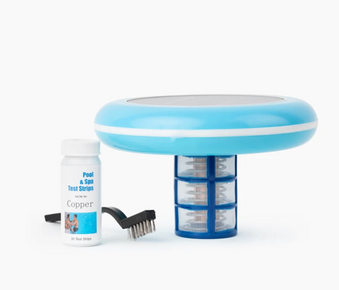
Replacing the copper anode in your solar pool ionizer is the most critical maintenance task for ensuring continued effective water sanitation. The anode serves as the consumable heart of the ionization system, gradually depleting as it releases copper ions into your pool water. Knowing when and how to properly replace this component is essential for maintaining crystal-clear water, preventing algae growth, and maximizing your ionizer's lifespan. This comprehensive guide walks you through every step of the anode replacement process, from identifying when replacement is needed to proper installation techniques and post-replacement verification.
Unlike complex pool equipment repairs that require professional service, anode replacement is designed to be a straightforward task that most pool owners can accomplish themselves. With the right information, tools, and techniques, you can complete this essential maintenance in under 30 minutes, saving money on service calls while ensuring your ionization system continues providing chemical-free water purification. This guide covers everything from preparation and safety considerations to troubleshooting common installation issues.
Table Of Contents
- When to Replace Your Copper Anode: Signs and Timing
- Required Tools and Materials for Anode Replacement
- Step-by-Step Anode Removal Process
- Preparation and Cleaning Procedures
- New Anode Installation Techniques
- Post-Installation Testing and Verification
- Troubleshooting Common Replacement Issues
1. When to Replace Your Copper Anode: Signs and Timing
Knowing precisely when to replace your copper anode is absolutely crucial for maintaining optimal water quality, preventing system strain, and maximizing the efficiency and longevity of your solar ionization system. While manufacturers typically provide general replacement recommendations of every 4-6 months, actual timing varies significantly based on a complex interplay of factors including pool characteristics, usage patterns, environmental conditions, and pool water chemistry. Understanding the specific indicators that signal replacement need ensures you change the anode at the optimal time not prematurely (wasting money and resources) and not belatedly (risking water quality issues, algae blooms, and potential equipment strain). This comprehensive guide provides detailed criteria for determining the perfect replacement timing for your specific situation.
Primary Replacement Indicators and Diagnostic Criteria:
- Visual Diameter Reduction: The Quantitative Measure: Regularly measure the anode diameter using digital calipers at multiple points along its length; replace when diameter has decreased by approximately 50% from its original manufactured size. Most standard anodes begin at 12-15mm diameter and should be replaced when reduced to 6-7.5mm. For precision, take measurements at three points: top, middle, and bottom of the anode, averaging the results. Document these measurements in your maintenance log to track depletion rates over time. This objective measurement provides the most reliable indicator of remaining anode life and helps establish predictable replacement schedules based on actual consumption rather than estimated timelines.
- Performance Decline: The Functional Assessment: Difficulty maintaining copper ion levels between the optimal 0.2-0.5 ppm range despite proper water balance and clean conditions indicates anode depletion. Monitor this through weekly testing, noting trends rather than single readings. If you consistently need to increase ionizer output or operating time to maintain target levels, or if levels drop below 0.2 ppm within days of adjustment, the anode likely requires replacement. Additionally, observe bubble production during daylight hours reduced, inconsistent, or absent bubbles from the electrode chamber indicate insufficient ion production. Track water clarity and algae resistance; increased cloudiness or early algae formation despite proper pool maintenance may signal inadequate sanitizer levels from a depleted anode.
- Physical Deterioration: The Visual Inspection: During monthly cleaning, inspect the anode for visible pitting deeper than 1mm, cracking, brittleness, or uneven erosion patterns that signal immediate replacement need. Look for crystalline formations, deep grooves, or areas of accelerated erosion that indicate uneven current distribution or water chemistry issues. Check for green copper carbonate deposits (verdigris) that suggest chemical interactions reducing efficiency. Examine the anode's surface texture smooth, even erosion indicates proper function, while rough, pitted surfaces suggest problems. Pay particular attention to areas near electrical connections, where corrosion or poor contact can accelerate localized deterioration.
- Time-Based Schedule: The Preventive Approach: For average residential pools (15,000-20,000 gallons with moderate usage), replace every 4-6 months as a preventive measure. For larger pools (25,000+ gallons or heavy residential/commercial use), increase frequency to every 3-4 months due to higher ion demand. For smaller pools (under 10,000 gallons with light usage), extend to every 6-8 months. These timelines should serve as starting points adjusted based on your specific conditions documented through the other indicators. Mark replacement dates on your calendar and consider seasonal timing many pool owners prefer replacing in spring (for peak season performance) and fall (before reduced winter operation).
Comprehensive Factors Affecting Anode Lifespan:
- Pool Size and Water Volume: Larger pools require substantially more ion production to maintain effective concentrations, consuming anode material at accelerated rates. The relationship isn't linear a 30,000-gallon pool may consume anode material 2-2.5 times faster than a 15,000-gallon pool due to increased surface area, circulation patterns, and total water volume requiring sanitization. Calculate your pool's specific ion demand based on volume, and adjust replacement frequency accordingly. Consider pool shape and depth as well pools with complex shapes or deep ends may have circulation challenges that affect ion distribution and anode consumption patterns.
- Bather Load and Usage Intensity: Heavy usage introduces organic matter (sweat, oils, sunscreen, urine) that consumes ions through oxidation and complexation reactions. A pool used daily by multiple swimmers will require anode replacement significantly more frequently than a rarely used pool. Track your actual usage patterns entertainment frequency, swimmer hours per week, and periods of peak activity. After heavy usage events (parties, gatherings), monitor ion levels more frequently, as these events can rapidly deplete both existing ions and anode material. Consider maintaining a usage log to correlate with anode depletion rates for more accurate replacement scheduling.
- Water Temperature and Seasonal Variations: Warmer water accelerates all electrochemical reactions, including anode erosion and ion release rates. During peak summer months when water temperatures exceed 80°F (27°C), anode consumption can increase by 30-50% compared to cooler periods. Monitor this seasonal effect and plan replacements accordingly you may need more frequent replacements during hot summer months. Conversely, in cooler water (below 70°F/21°C), ion production and anode consumption slow significantly, potentially extending anode life. Track water temperature alongside anode wear to establish seasonal adjustment factors for your specific climate.
- Water Chemistry Parameters: Low pH (below 7.2) dramatically increases anode erosion rates through acidic corrosion, potentially doubling consumption rates at pH levels of 7.0 or below. High mineral content (calcium hardness above 400 ppm) causes scale formation that insulates the anode surface, reducing efficiency and creating uneven erosion patterns. High total dissolved solids (above 2000 ppm) can promote precipitation reactions that remove copper ions from solution, requiring increased anode activity to maintain effective levels. High chlorine levels (above 2.0 ppm) in supplemental systems can accelerate anode corrosion through oxidative processes. Regular water testing and proper balance are essential for maximizing anode lifespan.
- Sunlight Exposure and Geographic Factors: More sunlight equals more photovoltaic energy production and consequently more ion generation, directly accelerating anode consumption. Pools in sunnier climates (Arizona, Florida, Southern California) may require 25-40% more frequent anode replacements than those in cloudier regions. Consider your pool's specific sun exposure pools with partial shading will have slower anode consumption than those in full sun all day. Seasonal sunlight variations also affect consumption rates, with summer months consuming anodes faster than winter months even at similar temperatures. Document your location's solar insolation patterns and adjust replacement schedules accordingly.
- Equipment Efficiency and Maintenance: A clean, well-maintained ionizer operates more efficiently, potentially extending anode life. Regular cleaning of solar panels ensures maximum energy conversion, while clean electrode chambers promote optimal current flow and even anode erosion. Proper electrical connections prevent resistance heating and uneven erosion. Conversely, neglected maintenance can accelerate anode depletion through inefficient operation. The condition of other system components especially the cathode also affects anode performance; a degraded cathode can increase electrical resistance, forcing the anode to work harder and deplete faster.
- Environmental Contaminants and Water Sources: Fill water quality significantly impacts anode lifespan. Well water with high mineral content, municipal water with specific treatment chemicals, or rainwater with different acidity levels all affect anode erosion rates. Environmental contaminants like agricultural runoff, industrial pollution, or high pollen counts introduce substances that consume ions and affect anode performance. If you notice accelerated anode depletion after changing water sources or during specific environmental conditions, investigate these factors and adjust your pool maintenance accordingly.
Integrated Replacement Decision Matrix:
To determine optimal replacement timing, create a weighted assessment considering all these factors. Assign points based on your specific conditions: pool size (1-3 points), usage intensity (1-3 points), water temperature (1-3 points), water chemistry stability (1-3 points), sunlight exposure (1-3 points), and maintenance consistency (1-3 points). Total scores below 8 suggest extended anode life (6-8 months), scores 8-14 indicate standard replacement (4-6 months), and scores above 14 warrant more frequent replacement (3-4 months). Combine this assessment with direct measurement and performance monitoring for the most accurate replacement timing.
By understanding and monitoring these comprehensive indicators and factors, you can develop a precise, customized anode replacement schedule that optimizes both water quality and economic efficiency. This proactive approach prevents the all-too-common cycle of reactive replacement only after water quality problems emerge, instead establishing a preventive maintenance rhythm that keeps your crystal-clear pool water, and inviting with minimal unexpected issues or expenses.

2. Required Tools and Materials for Anode Replacement
Proper preparation with the correct tools and materials is absolutely essential for ensuring a smooth, efficient, and successful anode replacement process. Gathering everything you need before beginning prevents frustrating interruptions, minimizes the risk of improper installation, and helps avoid potential issues that could compromise your ionization system's performance. While specific requirements vary slightly by manufacturer and ionizer model, this comprehensive, detailed list covers all essentials and recommended items for most solar pool ionizer anode replacements. Investing time in thorough preparation not only makes the replacement process faster and easier but also significantly reduces the likelihood of mistakes that could lead to equipment damage, water quality issues, or premature anode failure.
Essential Tools and Equipment: The Foundation:
- Replacement Anode: The Critical Component: Always use manufacturer-approved anodes specifically designed for your ionizer model and serial number. Verify proper size (typically 12-15mm diameter, 50-100mm length), composition (99.9% pure electrolytic copper or specified alloy), and electrical specifications (resistance, current capacity). Check packaging for authenticity seals and manufacturer part numbers. For optimal performance, purchase from authorized dealers or directly from the manufacturer to avoid counterfeit or substandard components that could damage your system or provide inadequate ion production.
- Basic Hand Tools: The Mechanical Necessities: Phillips and flathead screwdrivers in sizes appropriate for your specific model (typically #1 and #2 Phillips, 1/4" and 3/16" flathead); adjustable wrench or socket set (6mm, 8mm, 10mm sizes most common); needle-nose pliers with insulated handles for delicate electrical connections; small adjustable crescent wrench for varying fastener sizes; Torx drivers if your model uses star-pattern fasteners; hex keys (Allen wrenches) in metric sizes (2mm, 2.5mm, 3mm, 4mm) for set screws and specialized fasteners.
- Cleaning Supplies: The Maintenance Arsenal: Soft nylon pool brushes with varying bristle stiffness (soft for delicate surfaces, medium for scale removal); white distilled vinegar for descaling (high acidity, no additives); commercial descaling solution specifically formulated for pool ionization equipment (optional but effective); clean, lint-free microfiber cloths or towels (multiple pieces for different tasks); dedicated container for cleaning solution (plastic bowl or bucket); toothbrush-sized detail brushes for hard-to-reach areas; cotton swabs for precise cleaning of electrical contacts; isopropyl alcohol (70% concentration) for final cleaning of electrical components.
- Measurement Tools: The Precision Instruments: Digital calipers with 0.01mm resolution for accurate anode diameter measurement (preferred over analog); standard ruler with millimeter markings (backup measurement tool); digital multimeter with continuity testing capability for electrical verification (highly recommended for troubleshooting); temperature probe for water temperature documentation (helps track environmental factors); magnifying glass or jeweler's loupe for detailed inspection of anode surface and component condition.
Recommended Additional Materials: The Enhancement Collection:
- Replacement Seals and Gaskets: The Preventative Components: New O-rings in the exact size and material specified by your manufacturer (typically Buna-N or Viton in sizes 1-5mm cross-section); replacement gaskets for access panels and electrode chambers; thread pool seal tape (PTFE tape) for plumbing connections if your system includes threaded components; dielectric grease for electrical connection protection; spare fasteners (screws, nuts, washers) matching your ionizer's hardware in case of damage or loss during disassembly.
- Specialized Lubricants: The Protection System: Pool-safe silicone lubricant specifically formulated for O-rings and plastic components (never use petroleum-based products); anti-seize compound for threaded metal connections in saltwater or high-mineral environments; electrical contact cleaner spray for restoring conductivity to corroded terminals; marine-grade corrosion inhibitor for coastal environments or areas with aggressive water chemistry.
- Safety Equipment: The Personal Protection: Latex or nitrile gloves (multiple pairs) to prevent oil transfer from skin to components and protect hands from cleaning chemicals; safety glasses with side protection to guard against chemical splashes and debris; chemical-resistant apron if working with strong cleaning solutions; kneeling pad or work mat for comfort during extended procedures; proper footwear (closed-toe shoes) to protect feet from dropped tools or components.
- Documentation and Recording Tools: The Information System: Manufacturer's installation guide (printed or digital copy for quick reference); maintenance log or notebook for recording replacement date, measurements, and observations; digital camera or smartphone for photographing disassembly steps and component orientation; notepad and pen for immediate note-taking; measurement recording sheet for tracking anode wear over time; warranty documentation and contact information.
Specialized Optional Equipment: The Professional Edge:
- Advanced Diagnostic Tools: Infrared thermometer for checking component temperatures during operation; waterproof flashlight or headlamp for illuminating internal components; borescope or inspection camera for examining hard-to-see areas within the electrode chamber; torque wrench for precise fastener tightening according to manufacturer specifications (particularly important for delicate plastic components).
- Workspace Enhancement: Portable workbench or sturdy table at comfortable working height; magnetic parts tray to prevent loss of small screws and components; anti-static mat for handling electronic components (if your ionizer includes circuit boards); organized tool caddy or toolbox with designated compartments; extension cord with GFCI protection if working near water with electrical tools; portable fan for ventilation if using chemical cleaners in enclosed spaces.
- Water Testing Equipment: High-quality copper ion test strips or liquid pool test kit for immediate post-installation verification; pH testing equipment to ensure optimal water chemistry before returning ionizer to service; total dissolved solids meter to check water quality factors that affect anode performance; sample containers for collecting water from different pool locations for comparative testing.
Comprehensive Pre-Replacement Preparation Checklist:
- Component Verification and Compatibility Confirmation: Double-check replacement anode compatibility with your specific ionizer model, year, and serial number. Compare new anode dimensions with the old one before disassembly. Verify electrical specifications match your system requirements. Check packaging for manufacturing date avoid old stock that may have developed surface oxidation. Confirm you have all necessary adapters or mounting hardware if your model requires specialized components.
- Tool Inspection and Preparation: Check that all tools are clean, in good working condition, and appropriate for your specific ionizer model. Clean tool surfaces to prevent contamination transfer to sensitive components. Test electrical tools (multimeter, etc.) for proper function before beginning. Organize tools in order of anticipated use to streamline the process. Ensure you have backup tools for critical steps in case of unexpected issues.
- Workspace Establishment and Optimization: Prepare a clean, dry, well-lit workspace with ample room for disassembly and organization of components. Choose a location protected from wind, dust, and direct sunlight that could cause glare or heat issues. Cover the workspace with a clean cloth or mat to prevent component damage or loss. Ensure adequate ventilation if using chemical cleaners. Set up lighting to illuminate the work area from multiple angles to prevent shadows in critical inspection areas.
- Information and Documentation Gathering: Have manufacturer contact information, technical support numbers, and website resources readily available. Download or print the latest version of installation instructions for your specific model. Review any online tutorials or videos specific to your ionizer before beginning. Prepare your maintenance log with columns for recording measurements, observations, and test results. Charge your camera or smartphone for documentation photographs.
- Safety and Environmental Preparation: Review safety data sheets for any chemicals you'll be using. Ensure proper personal protective equipment is readily accessible. Prepare a first aid kit for minor injuries. Have water and neutralizing agents available in case of chemical spills. Check weather conditions if working outdoors avoid windy days that could blow away small components. Inform household members of your work to prevent interruptions.
- System Pre-Checks and Preliminary Assessment: Test your ionizer's current operation before removal to establish a performance baseline. Document current water chemistry parameters. Note any existing issues or unusual behaviors. Take "before" photographs of the complete system in operation. Check pool water level and condition to ensure optimal reinstallation environment. Verify you have adequate time to complete the procedure without rushing.
Advanced Preparation Considerations:
- Timing Strategy: Schedule replacement during daylight hours for optimal natural light and to facilitate post-installation testing. Avoid extremely hot or cold conditions that could affect material properties or your comfort during the procedure. Plan for the entire process including preparation, replacement, testing, and cleanup typically 60-90 minutes for most systems.
- Contingency Planning: Have backup supplies in case of unexpected discoveries extra O-rings, alternative cleaning solutions, additional towels. Know local supplier hours in case you need emergency replacement parts. Have a plan for safely storing the old anode if you wish to keep it for reference or recycling.
- Learning and Skill Development: If this is your first anode replacement, consider practicing on the old anode after removal to familiarize yourself with handling and installation techniques. Review common mistakes and how to avoid them specific to your ionizer model. Connect with user forums or communities for your specific brand to gather tips and insights from experienced users.
By thoroughly addressing each of these preparation categories, you create an optimal environment for successful anode replacement. This comprehensive approach not only ensures you have all necessary tools and materials but also establishes the mindset and conditions for careful, precise work. The time invested in meticulous preparation pays substantial dividends in reduced stress, minimized errors, and optimal performance of your newly installed anode. Remember that proper preparation is particularly crucial for ionization systems, where precision installation directly affects water quality and equipment longevity.

3. Step-by-Step Anode Removal Process
Proper anode removal is absolutely crucial for preventing damage to the delicate solar pool ionizer components and ensuring smooth, trouble-free installation of the new anode. This meticulous process requires patience, attention to detail, and systematic methodology to avoid costly mistakes that could compromise your entire ionization system. Follow these comprehensive, detailed steps for safe, effective removal of your depleted copper anode, transforming what could be a challenging task into a straightforward, predictable procedure that preserves your equipment's integrity and prepares the system for optimal performance with the new component.
Preparation Phase: Setting the Stage for Success:
- Power Down and Strategic Removal: During daylight hours when the solar panel is actively generating power, carefully remove the ionizer from the pool water using both hands to maintain control and prevent impact damage. Place the unit on a clean, dry, stable surface in a well-lit area with adequate workspace. Allow the unit to drain completely for 5-10 minutes to prevent water intrusion during disassembly. For solar-powered models, position the unit so the solar panel faces away from direct sunlight or cover it with a light cloth to prevent ongoing electrical generation during the removal process.
- Comprehensive Documentation Protocol: Before touching any fasteners or components, take high-resolution photographs from multiple angles (front, back, sides, top, bottom) to document the complete assembly. Focus specifically on the anode area, capturing clear images of the anode's orientation, mounting configuration, electrical connections, and any alignment markings. Use a ruler or common object in some photos for scale reference. Create a simple sketch or diagram noting wire colors, terminal positions, and component relationships. This visual documentation serves as an invaluable reference during reassembly and can prevent costly reassembly errors.
- Initial Cleaning and Surface Preparation: Using a gentle stream of clear pool water (preferably distilled or filtered to prevent mineral deposits), thoroughly rinse the exterior of the ionizer to remove all debris, biofilm, and mineral deposits. Pay special attention to seams, joints, and access points where contaminants might interfere with disassembly. Use a soft brush for stubborn areas but avoid abrasive scrubbing that could damage surfaces. Dry the unit with clean, lint-free towels, ensuring no moisture remains around screw heads, access panels, or electrical connections that could cause corrosion or complicate disassembly.
Disassembly Procedure: The Systematic Approach:
- Access Panel Identification and Removal: Carefully examine the ionizer housing to locate all access points to the electrode chamber. Most models feature one or more removable panels secured with small screws, clips, or quarter-turn fasteners. Using the appropriate screwdriver (typically Phillips #1 or #2), begin removing screws in a diagonal pattern rather than circling to prevent warping or binding. Place each screw in a labeled compartment of a parts organizer, noting its original position. For models with snap-fit panels, use plastic prying tools (never metal) to gently release retention clips without damaging the housing. If resistance is encountered, stop and reassess never force components that seem stuck.
- Electrical Disconnection with Precision: Once the electrode chamber is accessible, carefully examine the anode's electrical connections. Most systems use simple spade terminals, screw terminals, or plug connectors. Before disconnecting, note the exact configuration: wire colors, terminal markings, orientation of connectors, and any locking mechanisms. Use needle-nose pliers with insulated handles to gently release spade connectors by rocking slightly while pulling straight out. For screw terminals, use the exact size screwdriver to avoid stripping heads, turning counterclockwise while supporting the wire to prevent twisting. If connectors seem corroded or stuck, apply a small amount of electrical contact cleaner and allow it to penetrate before attempting removal.
- Strategic Anode Extraction Techniques: With electrical connections free, examine how the anode is retained within the chamber. Common mounting methods include threaded fittings, compression brackets, sliding channels, or simple friction fits. For threaded anodes, turn counterclockwise while applying gentle outward pressure if resistance is excessive, apply a penetrating lubricant to the threads and wait 5-10 minutes before trying again. For bracket-mounted anodes, locate and release retention clips or screws before attempting removal. For sliding channel designs, note the extraction direction before applying pressure. If any resistance is encountered, apply a slight twisting motion (no more than 10-15 degrees) while maintaining steady outward pressure never force or use excessive leverage that could damage the mounting structure.
- Comprehensive Anode Inspection and Analysis: Once removed, place the anode on a clean, dry surface for thorough examination. Using digital calipers, measure the diameter at three points (top, middle, bottom) and record measurements in your maintenance log. Rotate the anode 90 degrees and repeat measurements to check for ovalization or uneven wear. Examine the surface for pitting measure pit depth with caliper tips and note locations. Check for cracks, particularly around mounting points and electrical connections. Look for crystalline deposits (typically blue-green copper carbonate) and note their distribution. Document any unusual wear patterns (concentric rings, localized erosion, uneven depletion) that might indicate water flow issues, electrical problems, or installation anomalies.
Chamber Inspection and Cleaning: The Critical Intermediate Step:
- Electrode Chamber Assessment: With the anode removed, thoroughly inspect the empty electrode chamber. Check the cathode for damage, corrosion, or coating degradation. Examine mounting surfaces for wear, corrosion, or residue that might affect the new anode's installation. Verify that water flow channels are clear of obstructions. Look for mineral deposits, biological growth, or debris that accumulated during the anode's service period. Use a flashlight to illuminate all interior surfaces, paying special attention to corners and hard-to-see areas.
- Component Condition Evaluation: Inspect all seals, O-rings, and gaskets for compression set, cracking, or deterioration. Check electrical terminals for corrosion, pitting, or loose connections. Examine the interior of the housing for cracks, stress marks, or water intrusion evidence. Test any moving parts or adjustment mechanisms for smooth operation. This intermediate inspection allows you to address issues before installing the new anode, preventing future problems.
Comprehensive Safety Considerations During Removal:
- Electrical Safety Protocols: Always handle electrical components with completely dry hands and tools. If working in humid conditions, consider using anti-static wrist straps to prevent static discharge. Never attempt disassembly while the unit is in water or on a wet surface. If your ionizer includes capacitors or energy storage components, consult manufacturer guidelines for safe discharge procedures before handling.
- Component Protection Measures: Avoid touching the solar panel surface with tools, fingers, or abrasive materials even minor scratches can significantly reduce efficiency. When setting the ionizer down, place it on a soft cloth or foam pad to prevent surface damage. Use plastic tools or tools with taped jaws when working near delicate components to prevent scratches or impact damage.
- Organization and Inventory Management: Use a compartmentalized parts organizer with labeled sections for different component types (screws, washers, electrical connectors, etc.). Take photographs after each disassembly step to document component relationships. For complex systems, create a simple diagram showing component positions and connections. Keep all removed parts in a single secure location away from the work area to prevent loss or confusion.
- Chemical Handling Precautions: If using cleaning solutions or descaling chemicals, work in a well-ventilated area and wear appropriate personal protective equipment. Have neutralizing agents (baking soda for acids) readily available in case of spills. Never mix different cleaning chemicals unless specifically directed by manufacturer instructions. Dispose of used chemicals according to local regulations.
- Consultation and Decision Points: If you encounter unexpected conditions (severe corrosion, damaged components, unfamiliar configurations), stop and consult manufacturer instructions before proceeding. Take additional photographs of the issue and consider contacting technical support if needed. If a component seems stuck or requires excessive force, reassess your approach rather than applying more pressure.
Troubleshooting Common Removal Challenges:
- Stuck or Seized Fasteners: Apply a small amount of penetrating oil (not WD-40) to the fastener and allow 15-20 minutes for penetration. Use properly sized tools with secure grip if a screw head begins to strip, switch to extraction tools immediately. Apply steady pressure while turning jerky motions often worsen stripping. For plastic components, consider applying mild heat (hair dryer, not heat gun) to expand the material slightly.
- Corroded Electrical Connections: Apply electrical contact cleaner and allow it to work for several minutes. Use gentle rocking motions rather than straight pulls. If terminals are severely corroded, consider replacing them during reassembly rather than risking damage during removal. Document wire colors and positions thoroughly before attempting difficult disconnections.
- Resistant Anode Extraction: If the anode resists removal despite proper technique, check for hidden retention mechanisms you may have missed. Review manufacturer documentation for specific extraction methods. Consider applying a descaling solution around the anode base to dissolve mineral deposits that might be acting as adhesive. Never use pliers directly on the anode itself this can damage the soft copper and create fragments.
Post-Removal Documentation and Planning:
- Record all measurements, observations, and photographs in your pool maintenance log
- Note any issues discovered during removal that will need addressing during reassembly
- Compare the removed anode's condition with your replacement criteria to validate your replacement timing decision
- Clean and organize all tools before proceeding to the installation phase
- Take a brief break to review documentation before beginning installation to ensure clarity
By following this comprehensive, detailed removal process, you ensure that the anode replacement begins on the right foot, with all components intact, properly documented, and ready for the installation phase. This meticulous approach not only protects your investment but also provides valuable insights into your system's condition that can inform future maintenance decisions and troubleshooting efforts. The time invested in careful removal pays substantial dividends in easier installation, better performance, and extended equipment life.

4. Preparation and Cleaning Procedures
Proper preparation of both the ionizer chamber and the new anode is absolutely critical for ensuring optimal performance, maximum longevity, and trouble-free operation of your ionization system. This comprehensive preparation phase serves as the foundation for successful anode replacement, removing accumulated scale, debris, and contaminants while preparing all components for proper installation and optimal electrical performance. A meticulously cleaned and prepared system not only extends component life but also ensures consistent ion production and prevents premature failure of the new anode. This detailed guide covers every aspect of preparation, from initial cleaning to final inspection, providing professional-level techniques for achieving perfect installation conditions.
Electrode Chamber Cleaning: The Foundation of Performance:
- Initial Debris Removal and Assessment: Using an array of soft nylon brushes with varying stiffness (soft for delicate surfaces, medium for stubborn deposits), begin removing all visible debris, biological growth, and loose mineral deposits from the electrode chamber. Start with dry brushing to dislodge loose material before introducing liquids. Pay special attention to corners, crevices, grooves, and areas around the cathode where debris tends to accumulate. Use dental mirrors or small inspection lights to visualize hard-to-see areas. For particularly stubborn organic growth, consider using a soft-bristled toothbrush for precision cleaning. Document the types and locations of debris found, as this can provide insights into your water chemistry and system operation.
- Strategic Descaling Treatment Protocol: For moderate to significant scale buildup (primarily calcium carbonate and calcium sulfate deposits), prepare a specialized descaling solution. The standard white vinegar solution (1 part distilled white vinegar to 4 parts distilled water) works well for most situations, but for heavy scaling, consider these alternatives: citric acid solution (1 tablespoon food-grade citric acid powder per cup of warm water), commercial pool equipment descaler (follow manufacturer dilution instructions), or for extremely stubborn deposits, a weak hydrochloric acid solution (5% concentration, use with extreme caution and proper PPE). Apply the solution using a soft brush, cotton swabs, or spray bottle, ensuring complete coverage of all scaled surfaces. Allow to soak for 10-15 minutes for moderate scaling, 20-30 minutes for heavy deposits. Observe the chemical reaction bubbling indicates active descaling. For vertical surfaces or hard-to-reach areas, create a "paste" by mixing descaling solution with baking soda to create a clinging consistency.
- Comprehensive Rinsing and Neutralization: After descaling, rinse the chamber completely with multiple cycles of clean, preferably distilled or filtered water to remove all cleaning solution and dislodged debris. Begin with gentle rinsing to avoid splashing contaminated solution, then progress to more thorough flushing. For acid-based cleaners, perform a neutralization rinse using a baking soda solution (1 tablespoon per quart of water) followed by clear water rinsing. Ensure no chemical residue remains that could affect electrical conductivity or react with the new anode. Use a magnifying glass to inspect for remaining scale in crevices and hard-to-see areas. Compressed air (at low pressure) can help remove water from tight spaces and verify complete cleaning.
- Detailed Chamber Inspection and Assessment: With the chamber completely clean and dry, conduct a thorough inspection using adequate lighting and magnification. Examine all interior surfaces for micro-cracks, stress marks, or corrosion. Check the cathode assembly meticulously for platinum coating integrity look for discoloration, flaking, or uneven wear. Inspect mounting surfaces for wear patterns that might affect anode seating. Verify all water channels and flow paths are completely clear. Use a multimeter to test electrical continuity between connection points if possible. Document any discovered issues with photographs and notes for future reference or warranty claims.
Component Preparation - The Precision Phase:
- Comprehensive Seal Inspection and Evaluation: Examine every O-ring, gasket, and seal in the system for signs of wear, deterioration, or compatibility issues. Check for pliability by gently stretching seals should return to original shape without cracking. Look for compression set (flattened areas where seals have taken a permanent set), surface cracks (check with magnifying glass), chemical degradation (swelling, softening, or hardening), and proper sizing. Even if seals appear serviceable, consider preventive replacement if they've been in service for more than one year or show any questionable characteristics. When replacing, ensure exact matches in material (typically Buna-N, Viton, or EPDM), size (inner diameter, outer diameter, and cross-section), and hardness (durometer rating).
- Electrical Connection Restoration and Optimization: Clean all electrical terminals, connectors, and contact surfaces to ensure optimal conductivity and prevent future corrosion. For mild corrosion, use a small wire brush specifically designed for electrical contacts, brushing gently to avoid removing plating. For moderate corrosion, apply electrical contact pool cleaner spray and allow to penetrate before brushing. For severe corrosion, consider replacement of affected terminals. After cleaning, protect contacts with a thin application of dielectric grease or antioxidant compound specifically designed for electrical connections. Check wire insulation for cracks or damage, particularly at stress points. Verify proper tightness of all terminal screws and connection points according to manufacturer specifications.
- New Anode Preparation and Quality Assurance: Remove the new anode from its packaging in your clean workspace, handling it only with clean, dry hands or wearing nitrile gloves to prevent oil transfer. Conduct a thorough visual inspection for manufacturing defects: check for surface imperfections, machining marks, dimensional inconsistencies, or packaging damage. Verify the anode meets all specifications: correct diameter (measure at multiple points), proper length, appropriate alloy composition (should be 99.9% pure electrolytic copper or specified alloy), and correct threading or mounting features. Test electrical conductivity if possible by checking resistance along the anode's length. Compare with the old anode to ensure identical configuration. If any concerns arise, contact the supplier before proceeding with installation.
- Strategic Lubrication Application: Apply appropriate lubricants to specific components according to manufacturer recommendations and material compatibility. For O-rings and rubber seals, use pool-safe silicone lubricant specifically formulated for underwater applications apply a thin, even coat to the entire sealing surface. For threaded components, use appropriate thread lubricant or sealant: pool teflon tape for straight threads, anti-seize compound for dissimilar metals, or thread sealant for pressurized connections. For sliding or moving parts, use minimal amounts of appropriate lubricant. Avoid petroleum-based products that can degrade plastics and rubber. Apply lubricants using clean applicators (cotton swabs, small brushes) to ensure even distribution without excess that could attract debris.
Advanced Preparation Techniques:
- Surface Activation for New Anodes: Some manufacturers recommend "activating" new anodes before installation by briefly submerging them in a mild acid solution (like the vinegar solution used for cleaning) for 1-2 minutes to remove any surface oxidation from storage. This creates a fresh, active copper surface for optimal ion release. Rinse thoroughly after activation and dry completely before installation.
- Cathode Conditioning: If your system's cathode shows minor scaling or discoloration, gentle cleaning with a soft cloth and mild detergent can restore performance. For titanium cathodes with platinum coating, avoid any abrasive cleaning that could damage the precious metal layer. Some professionals recommend a brief exposure to a mild acid solution (similar to anode activation) to remove surface contaminants, followed by thorough rinsing.
- Flow Path Optimization: Use compressed air or water pressure testing to verify all water channels and flow paths are completely clear. Check for proper alignment of intake and outflow ports. Consider adding flow directors or channel modifiers if your system has known dead spots or flow issues.
Quality Control and Verification Procedures:
- Cleanliness Verification: Use white lint-free cloths to wipe interior surfaces any residue indicates incomplete cleaning. Check for water spots or mineral deposits that suggest inadequate rinsing. Use magnification to inspect for microscopic debris in critical areas.
- Component Compatibility Check: Verify all replacement parts are exact matches for your specific model. Test fit components before final assembly to ensure proper seating and alignment. Check that fasteners thread smoothly without binding.
- Documentation Update: Record all preparation activities, observations, and component conditions in your maintenance log. Note any deviations from standard procedures or unexpected conditions discovered during preparation.
Pre-Installation Final Checklist:
- Electrode chamber is completely clean, dry, and free of all debris and residues
- All seals are inspected, lubricated, or replaced as needed
- Electrical connections are clean, tight, and properly protected
- New anode has been inspected, measured, and prepared according to specifications
- All necessary tools and materials are organized and readily accessible
- Workspace remains clean and organized for the installation phase
- Documentation is complete with photographs and notes from the preparation phase
By implementing these comprehensive preparation and cleaning procedures, you create optimal conditions for successful anode installation and long-term system performance. This meticulous attention to detail not only ensures immediate success but also contributes to extended component life, consistent water quality, and reduced future maintenance requirements. The time invested in thorough preparation represents one of the most valuable contributions to the overall success of your anode replacement project, setting the stage for years of trouble-free, efficient ionization system operation.

5. New Anode Installation Techniques
Proper installation of the new anode is absolutely crucial for achieving optimal performance, ensuring system longevity, and preventing premature failure or water quality issues. This precise, methodical phase requires attention to detail, proper technique, and systematic verification at every step. Following these comprehensive installation techniques ensures correct placement, secure electrical connections, and proper system operation that will deliver consistent ion production throughout the anode's service life. This detailed guide covers every aspect of installation from initial orientation to final verification, providing professional-level techniques for achieving perfect installation results.
Installation Steps: The Systematic Procedure:
- Orientation Verification and Alignment: Before handling the new anode, thoroughly review your pre-removal photographs and manufacturer documentation to confirm the correct orientation. Most anodes feature specific orientation indicators: alignment markings, asymmetrical shapes, offset mounting holes, or directional indicators. Compare the new anode with your photographs of the old one, paying particular attention to any markings, grooves, or unique features. For threaded anodes, note thread direction and engagement depth. For sliding or bracket-mounted anodes, identify front/back, top/bottom orientation. If uncertain, consult manufacturer instructions or contact technical support never guess on orientation as improper installation can cause uneven wear, electrical issues, or physical damage.
- Precision Initial Placement and Seating: With proper orientation confirmed, gently insert the anode into the mounting bracket or chamber, taking extreme care not to force, bend, or damage components. Begin with slight rotational movements if threading is involved, feeling for proper engagement. For sliding installations, align carefully with channels or guides before applying pressure. The anode should seat smoothly with minimal resistance if significant force is required, stop immediately and reassess alignment. Listen and feel for positive engagement indicators: a subtle click for snap-fit designs, smooth thread engagement for threaded models, or proper seating against stops for bracket-mounted versions. Never use tools to force an anode into position hand pressure alone should be sufficient for proper installation.
- Electrical Connection with Precision and Care: Reconnect the anode to its electrical terminals using meticulous technique to ensure optimal conductivity and long-term reliability. Begin by visually aligning connectors to ensure proper mating. For spade terminals, ensure the female connector fully engages the male terminal with the locking tab properly seated. For screw terminals, thread screws by hand initially to prevent cross-threading, then tighten to manufacturer specifications typically "snug but not over-tightened" (approximately 5-7 inch-pounds for small terminals). Use the correct size screwdriver to avoid stripping heads. For plug connectors, ensure proper alignment of keying features before applying pressure. After connection, perform a gentle pull test (applying slight outward pressure) to verify secure engagement without excessive force that could damage connections.
- Secure Mounting and Component Alignment: Replace any mounting hardware, brackets, retainers, or fasteners according to manufacturer specifications and your pre-removal documentation. Begin by threading fasteners by hand to ensure proper alignment before applying tools. Follow proper tightening sequences if multiple fasteners are involved typically working in a crisscross pattern for even pressure distribution. Use appropriate torque if specified by the manufacturer (often 10-15 inch-pounds for small fasteners in plastic housings). Verify all components are properly aligned, seated, and oriented before final tightening. Check for proper clearance between moving parts and ensure no wires are pinched or routed across sharp edges.
Verification Procedures - The Quality Assurance Phase:
- Comprehensive Visual Inspection: Conduct a thorough visual inspection from multiple angles using adequate lighting. Verify the anode is properly positioned with adequate clearance from all other components (typically 3-5mm minimum). Check that all electrical connections are secure, properly insulated, and free from potential short-circuit risks. Examine wire routing to ensure no stress points, sharp bends, or potential abrasion areas. Verify that all fasteners are properly seated and not protruding where they could cause injury or damage. Look for any tools, debris, or foreign objects that may have been accidentally left in the chamber during installation.
- Advanced Electrical Testing and Verification: If you have access to a multimeter, perform several electrical tests to verify proper installation. First, test for continuity between the anode connection point and the main electrical input to verify a complete circuit. Second, measure resistance along the anode's path typical values range from 0.1 to 5 ohms depending on design. Third, if possible, measure insulation resistance between live components and the housing to verify no short circuits exist. For solar-powered units, you can test output by exposing the panel to light and measuring voltage at the anode terminals (typically 1.5-3V DC). Document all measurements for future reference and comparison.
- Seal Integrity Verification and Final Preparation: Before closing the access panel, conduct a final seal verification. Ensure all O-rings, gaskets, and seals are properly seated in their grooves without twists or rolls. Check that seal surfaces are clean and free of debris that could compromise watertight integrity. Verify that lubricant is evenly distributed but not excessive (excess can attract debris). For multi-part seals, ensure proper interlocking or alignment. Perform a "dry fit" of the access panel without fasteners to confirm proper seating and alignment before final assembly.
- Final Assembly and Secure Closure: Replace the access panel or housing cover with careful attention to alignment and seating. Begin by positioning the panel evenly, applying gentle pressure to engage all retention features simultaneously. Install fasteners in the reverse order of removal, starting with hand-tightening before final tool tightening. Follow manufacturer torque specifications if provide for plastic housings, this is typically "finger tight plus one-quarter turn" to avoid stripping threads or cracking plastic. For quarter-turn fasteners, ensure proper engagement and locking. After assembly, perform a final visual inspection of the complete unit, checking for gaps, misalignments, or any signs of improper closure.
Advanced Installation Techniques and Considerations:
- Thermal Expansion Accommodation: In environments with significant temperature variations, consider leaving very slight clearance (0.5-1mm) for thermal expansion, particularly for metal components in plastic housings. Consult manufacturer guidelines for specific recommendations for your climate and operating conditions.
- Vibration and Movement Mitigation: For pools with significant wave action, water features, or heavy usage that creates movement, consider using thread-locking compounds on fasteners (choose formulations compatible with your materials). Ensure all components have positive retention features engaged, not relying solely on friction fits in high-vibration environments.
- Corrosion Prevention Strategies: In saltwater pools or areas with aggressive pool water chemistry, apply additional corrosion protection to electrical connections using appropriate sealants or compounds. Consider using dielectric barriers between dissimilar metals to prevent galvanic corrosion. For coastal environments, marine-grade anti-corrosion treatments may be warranted.
Installation Quality Control Checklist:
- Anode orientation confirmed against pre-removal photographs and manufacturer markings
- Smooth, resistance-free seating achieved without forced installation
- Electrical connections secure with proper torque and insulation
- All mounting hardware properly installed with correct torque and sequence
- Adequate clearance maintained between all components
- Wire routing optimized to prevent stress, abrasion, or pinching
- Seals properly seated, lubricated, and verified for integrity
- Access panel properly aligned and securely fastened
- No tools, debris, or foreign objects remaining in the assembly
- Complete visual inspection passed with no issues identified
Post-Installation Documentation:
- Record installation date, time, and environmental conditions
- Document any deviations from standard procedure or unexpected findings
- Note initial measurements and observations for future comparison
- Update maintenance schedule with next anticipated replacement date
- Photograph completed installation for future reference
By following these comprehensive installation techniques and verification procedures, you ensure that your new anode is properly installed for optimal performance and longevity. This meticulous approach not only guarantees immediate success but also contributes to consistent water quality, reduced maintenance requirements, and extended equipment life. The care and precision invested in proper installation represent one of the most important factors in the overall success of your anode replacement project, setting the foundation for months of reliable, efficient ionization system operation.

6. Post-Installation Testing and Verification
Proper testing and systematic verification are absolutely essential for ensuring your new anode is functioning correctly and your ionization system is ready to return to service with optimal performance. This critical phase serves multiple purposes: confirming installation success, establishing baseline performance metrics for the new component, verifying system integrity, and preventing potential issues before they affect your pool's water chemistry. A comprehensive testing protocol not only validates the immediate success of your anode replacement but also provides valuable data for ongoing system optimization and future maintenance planning. This detailed guide covers every aspect of post-installation verification, from immediate functionality testing to long-term performance monitoring.
Immediate Testing Protocol - The Initial Verification:
- Comprehensive Dry Testing and Visual Inspection: Before introducing the ionizer to water, conduct a thorough dry testing and visual inspection protocol. Begin by examining the entire unit from all angles, checking for any signs of damage that may have occurred during installation: cracks in housing, misaligned components, protruding fasteners, or damaged seals. Gently shake the unit while listening for any loose components or foreign objects inside. Verify that all access panels are securely closed and properly sealed. Check the solar panel surface for scratches, cracks, or debris that accumulated during the installation process. Test any indicator lights, displays, or electronic features according to manufacturer specifications. This comprehensive dry verification prevents water damage to improperly assembled components and ensures the unit is physically ready for operation.
- Precision Bucket Testing Methodology: The bucket test serves as the definitive functional verification before returning the ionizer to your pool. Prepare a clean 5-gallon bucket (new or thoroughly cleaned to prevent contamination) and fill it with fresh water, preferably filtered or distilled to eliminate variables. Place the bucket in direct sunlight during peak hours (10 AM to 2 PM for optimal solar intensity). Submerge the ionizer in the bucket, ensuring the solar panel remains above water and properly oriented toward the sun. Within 60-90 seconds in full sunlight, you should observe a steady stream of fine bubbles rising from the electrode chamber. Document the bubble characteristics: consistency (continuous vs. intermittent), distribution (even across electrode surface vs. localized), size (fine mist vs. large bubbles), and production rate. For quantitative assessment, use a stopwatch to time bubble production over one minute. This test confirms that the photovoltaic system is generating adequate power, the electrical circuit is complete, and the electrochemical process is functioning properly.
- Strategic Pool Deployment and Positioning: Once bucket testing confirms proper operation, proceed with careful pool deployment. Begin by testing pool water temperature and chemistry to ensure conditions are optimal for ionizer operation (pH 7.2-7.6, temperature above 60°F/16°C). Gently place the ionizer in the pool, taking care not to drop or impact it against pool surfaces. Verify proper flotation the unit should float upright with the solar panel angled correctly toward the sky. Ensure freedom of movement by gently pushing the unit and observing its drift pattern. Position it away from skimmers, returns, and obstacles that could trap it. Document the deployment location, time, and conditions for future reference. Allow the unit to acclimate to pool temperature for 15-20 minutes before expecting full performance.
Performance Verification - The Operational Validation:
- Initial Operation and System Stabilization: Allow the ionizer to operate continuously for 24-48 hours to establish stable ion levels throughout the entire pool volume. During this stabilization period, run your pool filtration system according to normal schedules (typically 8-12 hours daily) to ensure proper ion distribution. Monitor weather conditions optimal sunlight exposure during this period accelerates ion production and distribution. Avoid adding other chemicals during stabilization unless absolutely necessary, as this can interfere with establishing accurate baseline measurements. Observe the ionizer's operation periodically, noting bubble production consistency and any unusual behaviors. This stabilization period allows the system to reach equilibrium and ensures that subsequent water testing provides accurate, meaningful results.
- Comprehensive Water Testing and Analysis: After the 48-hour stabilization period, conduct thorough water testing using reliable, calibrated test equipment. Collect water samples from multiple strategic locations: near the surface away from returns, at mid-depth in various pool areas, near the bottom in deep sections, and in corners or areas with historically poor circulation. Test copper ion levels at each location using either test strips or liquid test kits, following manufacturer instructions precisely. Record all measurements, noting any variations between locations (should be within 0.1 ppm if distribution is adequate). Levels should measure between 0.2-0.5 ppm with the new anode ideal target is 0.3-0.4 ppm. Additionally, test pH, total alkalinity, and calcium hardness to ensure water chemistry supports optimal ion effectiveness. Document all test results with time, date, and specific conditions.
- Detailed Documentation and Baseline Establishment: Create comprehensive documentation of the replacement process and initial performance. Record the replacement date and time, new anode specifications (manufacturer, part number, initial measurements), installation observations, and any deviations from standard procedure. Document initial water test results with specific measurement locations and conditions. Calculate and record performance metrics: bubble production rate from bucket test, time to reach target ion levels, distribution uniformity across pool locations. Establish a performance baseline against which future measurements can be compared. This documentation serves multiple purposes: warranty validation, future troubleshooting reference, and optimization of subsequent replacement timing.
Long-Term Monitoring and Performance Optimization:
- Weekly Performance Monitoring for First Month: Test copper ion levels weekly for the first four weeks to establish a reliable performance baseline and track consumption patterns. Use consistent testing methodology: same time of day, same locations, same test equipment. Document not only numerical results but also qualitative observations: maximize pool water clarity, surface sparkle, absence of algae, swimmer comfort. Track weather patterns and usage levels alongside ion measurements to identify correlations. Create a simple graph or chart showing ion levels over time this visualization helps identify trends and predict future performance. By the end of the first month, you should have established clear patterns of ion consumption and system performance with the new anode.
- Ongoing System Performance Monitoring: Beyond the first month, maintain regular monitoring according to your established maintenance schedule, typically weekly ion testing and monthly comprehensive system checks. Watch for any unusual changes in water quality or ionizer performance: sudden drops in ion levels, inconsistent bubble production, changes in water clarity, or early algae formation. Monitor the anode's physical condition during monthly cleanings, measuring diameter reduction and documenting wear patterns. Pay attention to environmental factors that might affect performance: seasonal temperature changes, variations in sunlight exposure, changes in pool usage patterns, or modifications to your water chemistry regimen.
- Data-Driven Replacement Scheduling: Instead of relying on fixed timelines, schedule the next anode replacement based on observed consumption rates and performance data. Calculate your anode's depletion rate by comparing initial diameter measurements with monthly measurements. Estimate remaining life based on consumption patterns rather than calendar time. Consider adjusting replacement timing based on seasonal factors you may need more frequent replacements during peak summer months. Use your performance data to optimize not just replacement timing but also operating parameters: you may adjust ionizer positioning, filtration schedules, or supplemental chemical use based on observed performance patterns.
Advanced Verification Techniques:
- Comparative Performance Analysis: Compare the new anode's performance with data from previous replacements to identify improvements or issues. Look for patterns in consumption rates, distribution efficiency, or water quality metrics. This historical analysis helps optimize not just anode replacement but overall system operation.
- Environmental Correlation Tracking: Document environmental conditions alongside performance data: sunlight hours, temperature ranges, rainfall, pollen levels, bather load. Over time, you may identify specific conditions that affect ionizer performance, allowing for proactive adjustments rather than reactive responses.
- Professional Validation Options: For complex systems or if any concerns arise during testing, consider professional water analysis or system inspection. Many pool service companies offer diagnostic services that can validate your findings or identify issues you may have missed.
Post-Installation Quality Assurance Checklist:
- Dry inspection completed with no damage or assembly issues identified
- Bucket test passed with consistent bubble production within 2 minutes
- Proper pool deployment achieved with optimal positioning and flotation
- 48-hour stabilization period completed with continuous operation
- Comprehensive water testing shows copper ion levels 0.2-0.5 ppm at all locations
- Water chemistry parameters within optimal ranges for ion effectiveness
- Complete documentation of replacement process and initial performance established
- Weekly monitoring schedule established for first month of operation
- Next replacement timeline calculated based on observed consumption rates
- System optimization plan developed based on initial performance data
By implementing this comprehensive post-installation testing and verification protocol, you ensure that your anode replacement project delivers optimal results and establishes a foundation for ongoing system performance. This systematic approach transforms anode replacement from a simple component swap into an opportunity for system optimization and performance enhancement. The data collected and procedures established during this phase not only validate the immediate success of your installation but also contribute to long-term system reliability, water quality consistency, and maintenance efficiency.
7. Troubleshooting Common Replacement Issues
Even with careful installation, occasional issues may arise. Understanding how to identify and address common problems ensures your anode replacement process results in optimal system performance.
Common Issues and Solutions:
- No Ion Production After Replacement: Verify electrical connections are secure; check for proper anode orientation; ensure solar panel is clean and receiving adequate sunlight; test in bucket of water to confirm operation.
- Low Ion Levels Despite New Anode: Check water chemistry high pH or hardness can reduce ion effectiveness; verify proper water circulation for distribution; ensure anode is genuine manufacturer part with correct specifications.
- Physical Installation Difficulties: If anode doesn't seat properly, verify correct model and size; check for debris or damage in mounting area; ensure no components are bent or misaligned.
- Electrical Connection Problems: Clean terminals thoroughly before connection; ensure proper contact between mating surfaces; verify no broken wires or damaged insulation.
When to Seek Professional Assistance:
- Persistent electrical issues despite proper installation
- Physical damage to ionizer components discovered during replacement
- Warranty concerns or questions about proper installation procedures
- Complex systems with integrated controllers or advanced features
By following this comprehensive guide, you can confidently replace your solar pool ionizer's copper anode, ensuring continued effective water sanitation and maximizing your system's performance. Regular anode replacement, combined with proper installation techniques, represents one of the most important maintenance tasks for maintaining chemical-free, crystal-clear pool water season after season.