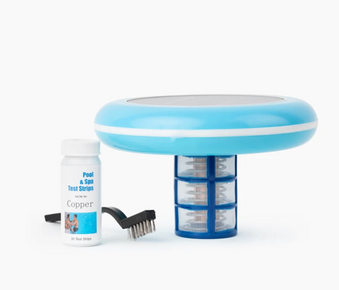
Understanding the operational principles behind solar pool ionizers requires exploring the fascinating intersection of solar technology, electrochemistry, and aquatic microbiology. This innovative system represents a fundamental departure from traditional chemical-based pool sanitation, instead harnessing natural processes and renewable energy to maintain water purity. The technology operates on multiple levels simultaneously, creating a comprehensive water treatment system that works continuously and automatically without the drawbacks of conventional chemical approaches.
Many pool owners wonder how a simple floating device can effectively replace or significantly reduce their dependence on harsh chemicals. The answer lies in sophisticated engineering that transforms solar energy into a powerful, yet gentle, water purification process. This comprehensive guide will take you through every aspect of how solar ionizers work, from basic principles to advanced biological mechanisms, giving you a complete understanding of this revolutionary pool maintenance technology.
Table Of Contents
- Fundamental Scientific Principles Behind Solar Ionization
- Solar Energy Conversion and Power Management System
- The Electrolysis Process: From Electricity to Ions
- Ion Distribution and Water Circulation Dynamics
- Microbial Elimination: How Ions Destroy Contaminants
- Detailed Breakdown of System Components and Functions
- Smart Operation and Self-Regulating Features
1. Fundamental Scientific Principles Behind Solar Ionization
The operation of solar pool ionizers represents a sophisticated integration of multiple well-established scientific principles that work in concert to create an exceptionally efficient and environmentally responsible water purification system. Understanding these foundational concepts is crucial for appreciating how this elegantly simple technology achieves such remarkable results without the drawbacks of conventional chemical treatments. The system represents a convergence of physics, chemistry, and biology that transforms basic natural phenomena into a reliable pool maintenance solution.
At its core, solar ionization represents a brilliant marriage of photovoltaic energy conversion with precisely controlled electrolysis, creating a self-sustaining system that requires no external power sources or chemical inputs. The photovoltaic effect, first discovered by French physicist Edmond Becquerel in 1839, enables the direct conversion of sunlight into electrical energy through quantum mechanical processes. When photons from sunlight strike the specially doped semiconductor materials within the solar panel, they transfer their energy to electrons in the material, exciting them enough to break free from their atomic bonds and create an electrical current. This clean, renewable energy source powers the entire ionization process autonomously, operating completely independently of grid electricity while producing zero emissions or ongoing energy costs.
The Photovoltaic Process in Detail:
- Photon Absorption: Sunlight particles (photons) strike silicon atoms in the solar panel with sufficient energy to excite electrons to a higher energy state
- Electron Liberation: Excited electrons break free from their atomic bonds, creating electron-hole pairs within the semiconductor material
- Charge Separation: The internal electric field of the p-n junction drives electrons toward the n-type layer and holes toward the p-type layer
- Current Generation: The movement of these charge carriers creates a direct electrical current that flows through the connected circuit
- Voltage Regulation: Built-in circuitry maintains optimal operating voltage between 1.5-3 volts regardless of sunlight intensity variations
The second fundamental principle involves electrolysis, a process first systematically studied and quantified by Michael Faraday in the 1830s through his groundbreaking laws of electrolysis. In simple terms, electrolysis uses electrical current to drive non-spontaneous chemical reactions by providing the necessary activation energy. In the specific context of pool ionization, this means utilizing solar-generated electricity to facilitate the controlled release of metal ions from electrodes into the surrounding water. These ions then serve as natural sanitizing agents, providing continuous, broad-spectrum protection against microorganisms through multiple simultaneous mechanisms. The process represents a perfect application of Faraday's principles, with current flow directly determining ion production rates according to his first law of electrolysis.
Advanced Electrochemical Principles:
- Faraday's First Law: The mass of ions released during electrolysis is directly proportional to the quantity of electricity passed through the electrolyte
- Electrode Potential: The specific voltage required to initiate and maintain the oxidation of copper atoms at the anode surface
- Current Density Optimization: Careful control of current per unit area to ensure even electrode erosion and consistent ion release
- Charge Transfer Mechanisms: The complex processes by which electrons are transferred at the electrode-electrolyte interface
- Mass Transport Limitations: How ion diffusion rates affect the overall efficiency of the electrolysis process
The third crucial principle involves the natural antimicrobial properties of specific metal ions, particularly copper and silver a phenomenon known as the oligodynamic effect. This remarkable property, recognized since ancient times when copper vessels were used to store drinking water, refers to the ability of minute concentrations of certain metals to exert lethal effects on microorganisms. The term "oligodynamic" literally means "active in small quantities," perfectly describing how trace amounts of metal ions can effectively control microbial growth. Copper ions are particularly effective against algae and a wide spectrum of bacteria due to their multiple mechanisms of action, while silver ions provide complementary protection against an even broader range of microorganisms, including some viruses that copper alone might not address as effectively.
Comprehensive Scientific Framework:
- Photovoltaic Effect: Direct conversion of sunlight into electrical energy using semiconductor materials with optimized band gaps for visible light spectrum absorption
- Electrolysis and Faraday's Laws: Using electrical current to drive non-spontaneous chemical reactions with predictable mass transfer relationships
- Ion Exchange Dynamics: The release, distribution, and behavior of charged particles in aqueous solutions and their interactions with other dissolved species
- Electrochemical Oxidation Kinetics: Controlled corrosion of metal electrodes following established principles of anodic dissolution and passivation
- Colloidal Chemistry and Stability: The behavior and interaction of microscopic particles in suspension, including zeta potential effects and aggregation phenomena
- Oligodynamic Effect: The antimicrobial activity of metal ions at minimal concentrations through multiple biochemical pathways
- Solution Thermodynamics: How temperature, concentration, and other factors affect ion activity and reaction rates in clear pool water
The integration of colloidal chemistry principles ensures that the released ions remain active and available in the water column. Copper ions in pool water exist in a complex equilibrium between free ions, complexed ions (bound to other molecules), and precipitated forms. The solar ionizer maintains this balance optimally, keeping enough ions in the biologically active free form to ensure continuous protection while preventing excessive concentrations that could lead to precipitation or other issues. The system naturally adapts to changing pool conditions, with ion activity adjusting based on factors like pH, temperature, and total dissolved solids.
The solar pool ionizer represents a perfect case study in applied interdisciplinary science, bringing together principles from solid-state physics (photovoltaics), electrochemistry (electrolysis), microbiology (antimicrobial action), and fluid dynamics (ion distribution). This integration of multiple scientific disciplines creates a system that is far more sophisticated than its simple appearance might suggest, demonstrating how fundamental research from the 19th century continues to enable innovative 21st-century technologies that make daily life healthier, easier, and more sustainable.

2. Solar Energy Conversion and Power Management System
The journey of solar energy from sunlight to water purification begins with sophisticated energy conversion technology. The solar panel integrated into each ionizer is far more than a simple photovoltaic cell it's a complete energy management system designed specifically for aquatic environments and the unique demands of water ionization.
Modern solar ionizers use high-efficiency monocrystalline silicon photovoltaic cells, the same technology used in premium solar panels. These cells can convert up to 22% of incoming solar radiation into usable electrical energy. The panel is strategically positioned on the top of the floating device to maximize sun exposure throughout the day, with a slight tilt optimized for typical pool usage patterns and geographic sun angles.
The generated electrical current is carefully regulated by an integrated power management system. This system ensures consistent performance regardless of varying sunlight conditions. During peak sunlight hours, excess energy is managed to prevent over-ionization, while during cloudy periods or early morning/late afternoon, the system optimizes available light to maintain continuous operation. This smart power management is crucial for maintaining stable ion levels throughout changing weather conditions.
Solar Conversion Features:
- High-Efficiency Photovoltaic Cells: Monocrystalline silicon technology providing reliable energy conversion even in suboptimal light conditions
- Weather-Resistant Encapsulation: Multiple protective layers that shield delicate components from UV degradation, moisture, and temperature fluctuations
- Intelligent Power Regulation: Advanced circuitry that maintains optimal voltage (1.5-3V) regardless of sunlight intensity variations
- Low-Light Performance Enhancement: Specialized design elements that capture and utilize diffuse sunlight on cloudy days
- Thermal Management: Heat dissipation features that prevent efficiency loss during extreme temperature conditions
The power management system also includes safety features that prevent electrical hazards despite the device operating in water. The low voltage (never exceeding 3 volts) ensures complete safety for swimmers, while specialized insulation and grounding mechanisms provide additional protection. This careful attention to electrical safety allows the ionizer to operate continuously without risk to pool users or interference with other pool equipment.
3. The Electrolysis Process: From Electricity to Ions
The heart of the solar ionizer's operation lies in the electrolysis chamber, where electrical energy transforms into active cleaning power. This process converts solar-generated electricity into a continuous stream of sanitizing ions through carefully controlled electrochemical reactions.
When the solar-generated electrical current reaches the electrode chamber, it creates a potential difference between the anode (positive electrode) and cathode (negative electrode). The anode, typically made from high-purity copper (99.9% pure) or specialized copper alloys, begins to undergo oxidation. In this process, copper atoms lose electrons and transform into positively charged copper ions (Cu²⁺). These ions then detach from the electrode surface and enter the surrounding water, beginning their journey as microscopic sanitizing agents.
The rate of ion release is precisely calibrated based on multiple factors, including water temperature, salinity, and the specific electrical current being generated. Under typical operating conditions, a solar ionizer releases approximately 0.1 to 0.3 grams of copper per week, depending on pool size and environmental conditions. This controlled release maintains ideal ion concentrations between 0.2 and 0.5 parts per million sufficient for effective sanitization while remaining well within safe limits.
Electrochemical Reactions:
- Anode Reaction (Oxidation): Cu → Cu²⁺ + 2e⁻ (Copper atoms lose electrons and enter water as ions)
- Cathode Reaction (Reduction): 2H₂O + 2e⁻ → H₂ + 2OH⁻ (Water molecules gain electrons, producing hydrogen gas and hydroxide ions)
- Overall Process: Cu + 2H₂O → Cu²⁺ + H₂ + 2OH⁻ (The complete transformation of copper into ions)
The electrode design incorporates advanced materials science to ensure longevity and consistent performance. The copper anode is engineered with specific crystalline structures and alloy compositions that promote even erosion and prevent pit corrosion. The cathode, typically made from titanium or medical-grade stainless steel, is designed to withstand the reducing environment while maintaining structural integrity over years of continuous use.

4. Ion Distribution and Water Circulation Dynamics
Once copper ions are successfully released into the water through the electrolysis process, their effective distribution becomes absolutely critical for comprehensive pool protection. The solar pool ionizer employs a sophisticated multi-layered strategy to ensure these microscopic sanitizers reach every corner of the pool and maintain their effectiveness throughout the entire water volume over extended periods. This distribution system represents one of the most ingeniously designed aspects of solar ionization technology, leveraging both passive natural forces and active mechanical systems to achieve perfect water sanitization.
The natural movement of the floating ionizer plays a fundamental role in the initial ion distribution phase. As the device moves freely around the pool surface, propelled by wind patterns, thermal convection currents, and swimmer-generated water movement, it continuously releases ions across different locations in a constantly changing pattern. This random movement ensures comprehensive coverage and prevents any specific area from being consistently underserved. The device's hydrodynamic design includes strategically positioned water intake and outflow channels that optimize ion dispersion with each movement, creating miniature convection currents that help distribute ions both horizontally and vertically through the water column. The floating design isn't merely for convenience it's an essential element of the distribution system that ensures no dead spots develop where microorganisms could establish colonies.
Advanced Flotation and Distribution Engineering:
- Strategic Buoyancy Design: Precisely calibrated flotation that maintains optimal electrode submersion while allowing free movement across the entire pool surface area
- Hydrodynamic Housing: Streamlined shape that minimizes water resistance while maximizing natural movement patterns and preventing entanglement in pool features
- Multi-directional Flow Channels: Specially engineered intake and outflow ports that create turbulent mixing immediately around the device for rapid initial dispersion
- Wind and Current Responsiveness: Design elements that ensure the device responds effectively to natural air and water movements without becoming trapped in corners or against walls
- Swimmer Interaction Optimization: Surface profile and weight distribution that encourages movement when disturbed by pool activity without posing any hazard to users
The pool's existing circulation system works in perfect partnership with the solar pool ionizer to distribute ions throughout the entire water volume in what engineers call a "forced convection" process. As water moves through the filtration system, it captures ions from the ionizer's current location and transports them through the plumbing to other areas of the pool. The return jets then create directional flows that distribute these ions evenly, establishing a continuous mixing process that maintains consistent ion concentrations from surface to floor and wall to wall. This sophisticated partnership between passive ionizer movement and active pool circulation creates a comprehensive distribution network that ensures every milliliter of pool water receives adequate sanitizing protection. The system is designed to work with all common circulation patterns, including bottom-up, surface-level, and directional flow systems commonly found in different pool designs.
Integrated Circulation System Synergy:
- Filtration System Partnership: Strategic positioning of skimmers and main drains that capture ion-rich water and transport it through the pool filtration system for redistribution
- Return Jet Optimization: Utilization of existing return jets to create circular flow patterns that systematically move ions throughout the entire pool volume
- Pump Efficiency Enhancement: The reduced biological load on the filtration system actually improves pump efficiency and flow rates, creating better overall circulation
- Automatic Cleaner Integration: Compatibility with robotic and pressure-side cleaners that create additional water movement and distribution patterns
- Variable Speed Pump Coordination: Effective operation across different pump speeds and filtration schedules without compromising distribution efficiency
Beyond these primary distribution mechanisms, several secondary natural processes contribute significantly to ion movement and dispersion. Thermal convection currents caused by temperature differences between surface and deeper water create continuous vertical mixing that prevents ion stratification. During daytime heating, warmer surface water tends to rise while cooler bottom water sinks, establishing convection cells that thoroughly mix the entire water column. At night, reverse convection can occur as surface water cools, creating complementary mixing patterns. Swimmer activity represents another crucial distribution mechanism each movement through the water creates turbulent eddies and currents that enhance mixing far beyond what mechanical systems alone can achieve. Even the natural Brownian motion of water molecules ensures continuous microscopic movement that prevents ions from settling or concentrating in specific areas.
Comprehensive Distribution Mechanisms:
- Passive Flotation Movement: Natural wandering patterns that prevent localized ion concentration and ensure all pool areas receive direct ion release over time
- Thermal Convection Currents: Temperature-driven water movements that create vertical mixing and prevent stratification of ion concentrations at different depths
- Forced Mechanical Circulation: Pool pump and filter system that actively distributes ions through planned hydraulic patterns and return jet positioning
- Swimmer-Induced Mixing: Human activity that creates additional water movement, turbulent eddies, and current patterns that enhance distribution
- Brownian Motion: Natural random movement of microscopic particles in fluid that ensures continuous molecular-level distribution
- Wind-Driven Surface Currents: Air movement across the pool surface that creates water circulation patterns and enhances horizontal distribution
- Diffusion Processes: Natural movement of ions from areas of higher concentration to areas of lower concentration following established concentration gradients
Copper ions in clear pool water don't remain suspended indefinitely but follow predictable lifecycle patterns before eventually precipitating out or being removed by filtration. However, their residence time in the active, bioavailable state is significantly longer than traditional sanitizers like chlorine. While free available chlorine can degrade in as little as 2-4 hours under strong ultraviolet sunlight due to photolysis, copper ions typically remain biologically active for several days to weeks, depending on specific water chemistry parameters and filtration rates. This extended activity period creates a robust residual protective effect that means even during periods of limited sunlight (nighttime, cloudy weather, or seasonal changes), the protective ion concentration remains effective, providing continuous sanitation. The ions eventually undergo natural processes including complexation with other chemicals, adsorption onto filter media, or precipitation as copper carbonate or other stable compounds, at which point they're no longer biologically active but also pose no environmental concerns.
Ion Longevity and Persistence Factors:
- UV Stability: Copper ions maintain their sanitizing power under direct sunlight unlike chlorine, which rapidly degrades through photochemical reactions
- Chemical Complexation: Gradual binding with carbonates, phosphates, and other pool chemicals that slowly reduces bioavailability over time
- Filtration Removal Rates: The efficiency of different filter types at removing copper ions from suspension while maintaining protective concentrations
- pH-Dependent Solubility: How water acidity or alkalinity affects copper ion stability and persistence in the active form
- Organic Demand Impact: The effect of bather load and organic contamination on copper ion consumption and longevity
- Temperature Effects: How water temperature influences ion activity, reaction rates, and overall persistence in the pool environment
The combination of these sophisticated distribution mechanisms and the extended persistence of copper ions creates a remarkably stable and reliable sanitizing system. Unlike chlorine, which requires constant replenishment and produces dramatic concentration swings, the solar ionization system maintains consistent protective levels with minimal fluctuation. This stability translates to more predictable water quality, reduced testing requirements, and ultimately a more enjoyable swimming experience free from the chemical management burden that characterizes traditional pool maintenance approaches. The system represents a perfect example of biomimicry in engineering harnessing and enhancing natural processes rather than fighting them with harsh chemicals.

5. Microbial Elimination: How Ions Destroy Contaminants
The true magic of solar ionization lies in how these microscopic copper ions effectively neutralize a wide range of aquatic contaminants through multiple simultaneous mechanisms. Understanding these biological interactions reveals why ionization is so effective while remaining gentle on swimmers and the environment.
Copper ions employ a multi-faceted approach to microbial control that makes it difficult for organisms to develop resistance. The primary mechanism involves electrostatic attraction since most microbial cell walls carry a negative charge, the positively charged copper ions are naturally drawn to them. Once in proximity, the ions bind to proteins in the cell membrane, disrupting its structural integrity and creating openings that compromise cellular function.
Inside the cell, copper ions wreak havoc on multiple fronts. They interfere with enzyme systems critical for energy production and metabolism, particularly those containing sulfur groups. The ions also generate reactive oxygen species that cause oxidative damage to cellular components. Perhaps most importantly, copper ions disrupt DNA and RNA function, preventing cellular reproduction and stopping microbial populations from growing.
Microbial Elimination Mechanisms:
- Algae Control: Copper ions penetrate algal cell walls and disrupt chlorophyll function, preventing photosynthesis and reproduction
- Bacterial Elimination: Multiple attack strategies including membrane disruption, enzyme inhibition, and metabolic interference
- Viral Neutralization: Protein denaturation and nucleic acid damage that prevents viral replication
- Fungal Prevention: Disruption of spore formation and mycelial growth through multiple pathways
- Biofilm Inhibition: Prevention of the quorum sensing communication that enables biofilm formation
One of the key advantages of copper ionization is its effectiveness against a broad spectrum of microorganisms while remaining safe for humans and animals. The concentrations required to eliminate pathogens (0.2-0.5 ppm) are far below levels that affect larger organisms with complex biological systems. This selective toxicity makes ionization ideal for swimming pools where human safety is paramount. Additionally, unlike chlorine that degrades rapidly when confronting organic matter, copper ions maintain their effectiveness through multiple interactions, providing longer-lasting protection.
6. Detailed Breakdown of System Components and Functions
The remarkable effectiveness of solar pool ionizers stems from the sophisticated integration of multiple specialized components, each meticulously engineered for optimal performance in the challenging and dynamic pool environment. Understanding these components in detail reveals the engineering excellence behind this seemingly simple device and explains why it delivers such consistent, reliable results season after season. Every element, from the largest housing component to the smallest electrical connection, has been optimized through extensive research and testing to create a system that operates flawlessly in conditions that would quickly degrade lesser equipment.
The solar panel assembly represents the power plant of the entire system, transforming abundant sunlight into the electrical energy that drives the ionization process. Unlike conventional solar panels designed for rooftop installation, these panels are specifically engineered for aquatic use, featuring multi-layer waterproof encapsulation that can withstand constant immersion, dramatic temperature cycling from freezing winter storage to scorching summer operation, and prolonged UV exposure without degradation. The panel utilizes specially tempered glass with advanced anti-reflective coating that maximizes light capture across the full spectrum of visible sunlight, while the underlying high-efficiency monocrystalline photovoltaic cells are arranged in series to generate the optimal voltage range (1.5-3V) required for the ionization process. The entire assembly is mounted on a strategically weighted floating platform that maintains ideal sun angle orientation throughout the day's changing solar position, ensuring maximum energy harvest from dawn until dusk.
Advanced Solar Panel Engineering:
- Photovoltaic Cell Array: Series-connected monocrystalline silicon cells delivering 6-8 watt peak power output with optimized current-voltage characteristics for electrolysis applications
- Environmental Protection System: Multi-layer lamination with ethyl vinyl acetate (EVA) encapsulation and Tedlar backsheet providing complete waterproofing and UV resistance
- Optical Enhancement Features: Low-iron tempered glass with anti-reflective coating increasing light transmission by 3-5% compared to standard glass
- Structural Integrity Design: Aluminum frame with corrosion-resistant coating and reinforced mounting points ensuring durability in turbulent water conditions
- Electrical Regulation Circuitry: Integrated bypass diodes and voltage regulation systems preventing reverse current flow and maintaining stable operating parameters
The electrode chamber houses the very heart of the ionization process, where electrical energy transforms into active water purification power. This critically important compartment features precisely spaced electrodes with mathematically optimized surface areas to ensure consistent current density across the entire active surface. The copper anode is manufactured from specially formulated alloys that provide controlled ion release rates and extended service life, typically composed of 99.9% pure electrolytic copper with trace elements to enhance durability and prevent passivation. The cathode, typically constructed from aerospace-grade titanium with micron-thick platinum coating, offers exceptional corrosion resistance while maintaining highly efficient electron transfer characteristics even after years of continuous operation. The chamber design incorporates computational fluid dynamics-optimized water flow channels that ensure maximum electrode contact while preventing debris accumulation and eliminating dead spots where water stagnation could occur.
Precision Electrode System Components:
- Copper Anode Assembly: 99.9% purity electrolytic copper with specific surface area of 50-100 cm², engineered alloy composition for controlled erosion, 4-6 month operational lifespan under normal conditions
- Cathode Assembly: Grade 2 titanium construction with 2-5 micron platinum coating, corrosion-resistant design suitable for permanent installation, self-cleaning surface properties
- Electrode Chamber Architecture: Precision-machined polymer housing with optimized electrode spacing of 10-15mm for ideal current distribution and efficient ion release
- Electrical Connection System: Gold-plated brass terminals with silicone-sealed feedthroughs ensuring reliable power delivery while maintaining complete water isolation
- Water Flow Management: Strategically angled intake and outflow ports creating turbulent flow patterns that maximize ion dispersal while preventing sedimentation
The external housing serves multiple critical functions far beyond simple containment, representing a masterpiece of materials engineering and industrial design. Manufactured from UV-stabilized engineering polymers, primarily ABS (Acrylonitrile Butadiene Styrene) or similar high-performance thermoplastics, it provides exceptional structural integrity while resisting chemical degradation and color fading from constant sun exposure. The flotation system is carefully calibrated through precise buoyancy calculations to maintain proper solar panel orientation while allowing free, natural movement around the pool a critical factor in ensuring even ion distribution. Multi-layer protective mesh screens, typically constructed from stainless steel or marine-grade polymers, prevent leaves, insects, and large debris from entering the electrode chamber while allowing optimal water flow for continuous operation. The entire assembly is designed with user-friendly maintenance in mind, featuring tool-free access points for regular anode replacement and cleaning, plus intuitive visual indicators that signal when service is required.
Comprehensive Housing and Support Systems:
- Protective Housing: Injection-molded ABS polymer construction with UV stabilization additives, impact resistance rating of 8-10 kJ/m², optimized flotation design with neutral buoyancy characteristics
- Advanced Filtration Screening: 316-grade stainless steel mesh with 1-2mm aperture size, preventing debris ingress while maintaining 85-90% open area for unrestricted water flow
- Flow Management System: Computational fluid dynamics-optimized intake/outflow ports, debris screening chambers, optimal water channel design minimizing flow resistance
- Modular Service Design: Quick-disconnect electrode chambers, tool-free access panels, color-coded replacement parts, and intuitive maintenance indicators simplifying regular upkeep
- Environmental Compatibility: Broad temperature operation range from -20°C to 60°C, chemical resistance to common pool maintenance, and saltwater compatibility for various pool types
Beyond these primary systems, modern solar ionizers incorporate several auxiliary components that enhance reliability and user experience. Advanced models feature integrated monitoring systems that track operational parameters and provide visual or electronic indicators of system status. Some include smart technology interfaces that allow performance monitoring through mobile applications, giving pool owners real-time insight into ion production levels and system health. The electrical systems incorporate sophisticated safety features including reverse polarity protection, overcurrent safeguards, and galvanic isolation ensuring complete safety even in the unlikely event of component failure. Every aspect of the design reflects a deep understanding of both the harsh operating environment and the need for simple, reliable operation that makes advanced water treatment technology accessible to every pool owner.
The integration of these meticulously engineered components creates a system that is significantly greater than the sum of its parts. Each element works in perfect harmony with the others, creating a reliable, efficient, and remarkably effective water treatment system that operates silently and automatically day after day. This sophisticated engineering, hidden within a deceptively simple exterior, represents the culmination of years of research and development in photovoltaic technology, electrochemistry, materials science, and hydrodynamic engineering all coming together to create a better way to maintain pool water without the drawbacks of traditional chemical approaches.
7. Smart Operation and Self-Regulating Features
Modern solar pool ionizers incorporate intelligent features that optimize performance automatically, adapting to changing conditions and ensuring consistent results with minimal user intervention. These smart capabilities represent the evolution of ionization technology from a simple concept to a sophisticated water management system.
The self-regulating output control represents one of the most valuable smart features. The system automatically adjusts ion production based on environmental conditions. During hot, sunny weather when pool algae growth is most aggressive and sunlight is abundant, the ionizer produces higher ion levels to meet the increased demand. Conversely, during cooler weather, cloudy days, or periods of reduced pool usage, the system scales back production to maintain optimal levels without waste. This natural feedback loop ensures efficient operation regardless of changing conditions.
The integration with existing pool systems represents another smart aspect of solar ionization. Rather than replacing traditional equipment, ionizers work synergistically with filters, pumps, and circulation systems. The reduced biological load on the filtration system means cleaner operation and extended service intervals. Many users maintain minimal chlorine levels (0.5-1.0 ppm) as a secondary oxidizer, creating a multi-barrier approach that provides comprehensive protection while eliminating the negative effects associated with higher chlorine concentrations.
Looking toward the future, the next generation of solar ionizers may incorporate even smarter features, including Bluetooth connectivity for performance monitoring, automated water testing integration, and predictive maintenance alerts. These advancements will make pool owner even more effortless while maintaining the core benefits of chemical-free, environmentally responsible water sanitation.
The solar pool ionizer represents a perfect marriage of ancient natural principles and modern technology. By understanding the detailed workings of this remarkable device, pool owners can appreciate the scientific elegance behind the simple floating unit that keeps their water crystal clear while freeing them from chemical dependence and constant maintenance.