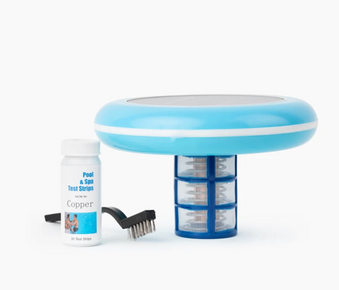
TL;DR: Solare Pool-Ionisatoren verwandeln die Poolzirkulation von einer festen Energiebelastung in ein optimiertes, bedarfsgesteuertes System. Durch die Aufrechterhaltung von kontinuierlich sauberem Wasser mit stabiler Chemie ermöglichen Ionisatoren eine Reduzierung der Pumpenlaufzeit um 40-60 % bei gleichzeitiger Verbesserung der Wasserqualität. In Kombination mit drehzahlgeregelten Pumpen und intelligenten Steuerungen erzielt das Gesamtsystem 70-80 % Energieeinsparungen bei der Zirkulation durch solarsynchrone Betriebsweise, Flussoptimierung und vorausschauende Filterplanung. Dieser Leitfaden erklärt die technischen Prinzipien, Implementierungsstrategien und die Leistungsvalidierung von ionisatorbetriebenen effizienten Zirkulationssystemen.
SEO-Zusammenfassung: Energieeffiziente Zirkulationssysteme, die von Solarpool-Ionisatoren angetrieben werden: 70-80 % Energieeinsparung bei der Pumpe durch Reduzierung der Laufzeit, Optimierung der variablen Drehzahl, Solarsynchronisation und prädiktive Filterschaltung.
Inhaltsverzeichnis
- Der Paradigmenwechsel bei der Zirkulation
- Pumpenenergie-Grundlagen: Warum die Geschwindigkeit zählt
- Laufzeitreduzierung: Der Ionisator-Vorteil
- Synergie der variablen Geschwindigkeit: Geringere Geschwindigkeit, geringere Kosten
- Solarsynchroner Betrieb: Kostenlose Energieausrichtung
- Prädiktive Filtration: Sauber, wenn nötig
- Systemarchitektur: Integrationsoptionen
- Nachrüststrategien für bestehende Pools
- Validierung der Einsparungen & Leistungsüberwachung
- Fazit & Wichtige Erkenntnisse
Der Paradigmenwechsel bei der Zirkulation
Die Poolzirkulation funktionierte historisch nach einem einfachen, aber verschwenderischen Prinzip: Die Pumpe läuft lange genug, um das gesamte Poolvolumen ein- oder zweimal täglich umzuwälzen, unabhängig von der tatsächlichen Wasserqualität. Dieser fest geplante Ansatz entwickelte sich, weil die traditionelle chlorbasierte Desinfektion eine kontinuierliche Zirkulation erfordert, um Chemikalien gleichmäßig zu verteilen und eine lokale Desinfektionsmittelverarmung zu verhindern.
Das Paradigma ist grundlegend fehlerhaft. Pumpen laufen 8-12 Stunden täglich, ob das Wasser makellos oder trüb ist, ob die Badebelastung hoch oder gering ist, ob Algen aktiv wachsen oder ruhen. Dieser Einheitsansatz verschwendet enorme Energie – typischerweise 2.000-4.000 kWh jährlich pro Pool, was 50-70 % des gesamten Pool-Energieverbrauchs ausmacht.
Solare Pool-Ionisatoren ermöglichen ein grundlegend anderes Zirkulationsparadigma: eine bedarfsgesteuerte Filtration. Da ionisiertes Wasser eine kontinuierliche, gleichmäßige Desinfektion ohne Anforderungen an die chemische Verteilung aufrechterhält, kann sich die Zirkulation auf ihren eigentlichen Zweck konzentrieren – das Entfernen von Partikeln und die Aufrechterhaltung der Klarheit – anstatt als chemisches Liefersystem zu fungieren.
Dieser Wechsel von einem festen Zeitplan zu einem bedarfsgesteuerten Betrieb führt zu drei sich verstärkenden Effizienzgewinnen:
- Laufzeitreduzierung: Sauberes Wasser erfordert weniger Filtrationszeit. Typische Reduzierung: 40-60 %.
- Geschwindigkeitsoptimierung: Ohne Einschränkungen bei der Chemikalienverteilung können Pumpen mit geringeren Drehzahlen betrieben werden. Energieeinsparung: 50-80 % bei reduzierten Drehzahlen.
- Solarsynchronisation: Die Zirkulation kann an die Verfügbarkeit erneuerbarer Energien angepasst werden. Kostenreduzierung: 0-100 % je nach Tarifstruktur.
Zusammen verwandeln diese Gewinne die Poolzirkulation von einer unvermeidbaren Ausgabe in ein optimiertes, effizientes System. Dieser Leitfaden erklärt die technischen Prinzipien und Implementierungsstrategien zur Erzielung von 70-80 % Energieeinsparungen bei der Zirkulation durch die Integration von Solar-Ionisatoren.
Für eine umfassende Analyse der Energieeinsparungen siehe unseren Leitfaden zur Senkung der Pool-Energiekosten.
Pumpenenergie-Grundlagen: Warum die Geschwindigkeit zählt
Um zu verstehen, warum Solare Ionisatoren solche dramatischen Energieeinsparungen bei der Zirkulation ermöglichen, muss man verstehen, wie Poolpumpen Strom verbrauchen. Die Beziehung zwischen Pumpendrehzahl und Stromverbrauch ist nicht linear – sie ist kubisch. Diese eine Tatsache ist der Schlüssel zur Erschließung von 70-80 % Energieeinsparungen.
Die Ähnlichkeitsgesetze:
Für Kreiselpumpen (alle Standard-Poolpumpen):
- Durchflussrate ∝ Wellendrehzahl (Doppelte Drehzahl = doppelter Durchfluss)
- Druck ∝ Drehzahl² (Doppelte Drehzahl = 4× Druck)
- Leistung ∝ Drehzahl³ (Doppelte Drehzahl = 8× Leistung)
Praktische Auswirkungen:
- Eine Reduzierung der Pumpendrehzahl um 20 % reduziert den Stromverbrauch um etwa 50 %.
- Eine Reduzierung der Pumpendrehzahl um 30 % reduziert den Stromverbrauch um etwa 65 %.
- Eine Reduzierung der Pumpendrehzahl um 50 % reduziert den Stromverbrauch um etwa 87 %.
Beispiel aus der Praxis:
Eine typische 1,5-PS-Pumpe, die mit voller Drehzahl (3450 U/min) betrieben wird:
- Durchflussrate: 60-80 GPM
- Leistungsaufnahme: 1.600-1.800 Watt
- Jährlicher Energieverbrauch (10 Std./Tag, 180 Tage): 2.880-3.240 kWh
Dieselbe Pumpe, die mit 50 % Drehzahl (1725 U/min) betrieben wird:
- Durchflussrate: 30-40 GPM (ausreichend für die Zirkulation)
- Leistungsaufnahme: 200-250 Watt (87 % Reduzierung)
- Jährlicher Energieverbrauch (10 Std./Tag, 180 Tage): 360-450 kWh
Warum herkömmliche Pools nicht mit niedrigen Drehzahlen betrieben werden können:
Chlorbasierte Desinfektion erfordert eine turbulente Strömung, um drei Ziele zu erreichen:
- Chemische Mischung: Schnelle Verteilung von Chlor aus Dosieranlagen oder Generatoren
- Oberflächenbewegung: Vermeidung von stagnierenden Zonen, in denen sich Algen ansiedeln
- Oxidationsmittelverteilung: Gleichmäßige Desinfektionsmittelkonzentration im gesamten Pool
Ein Betrieb mit niedriger Drehzahl (unter 2000 U/min) erfüllt in der Regel eine oder mehrere dieser Anforderungen nicht, was zu inkonsistenten Chlorwerten und Algenblüten führt.
Der Ionisator-Vorteil:
Solare Ionisatoren beseitigen alle drei Einschränkungen:
- Keine chemische Mischung erforderlich: Ionen werden kontinuierlich in der Ionisatorkammer erzeugt und durch Diffusion und sanfte Zirkulation natürlich in das Rücklaufwasser abgegeben.
- Kontinuierlicher Restschutz: Das ionische Feld bleibt unabhängig von der Durchflussrate bestehen.
- Gleichmäßige Verteilung: Kupferionen verteilen sich auch bei geringen Durchflussraten gleichmäßig.
Dieser grundlegende Unterschied ermöglicht es ionisierten Pools, mit Geschwindigkeiten und Dauern zu arbeiten, die mit chemischer Desinfektion zuvor unmöglich waren.
Profi-Tipp: Wenn Sie derzeit eine Pumpe mit fester Drehzahl haben, ist die wirkungsvollste Verbesserung der Energieeffizienz der Austausch durch eine Pumpe mit variabler Drehzahl (VSP). Das Hinzufügen eines Solare Ionisators zu einem System mit fester Drehzahl ermöglicht immer noch eine Reduzierung der Laufzeit um 40-60 %, aber das Hinzufügen einer VSP ermöglicht zusätzliche 50-70 % Einsparungen durch Drehzahlreduzierung. Die Kombination liefert den maximalen ROI.
Laufzeitreduzierung: Der Ionisator-Vorteil
Der offensichtlichste Effizienzgewinn bei der Zirkulation durch Solare Ionisierung ist die reduzierte Pumpenlaufzeit. Traditionelle Pools benötigen 8-12 Stunden tägliche Filtration aus drei Gründen:
- Chemischer Umsatz: Vollständige Wasserzirkulation zur Verteilung des Desinfektionsmittels und zur Vermeidung von Totzonen
- Verunreinigungsentfernung: Ausreichende Filterdurchgänge, um Partikel zu erfassen
- Algenprävention: Kontinuierliche Wasserbewegung zur Verhinderung der Algenansiedlung
Solar-Ionisatoren erfüllen alle drei Anforderungen effektiver als eine verlängerte Laufzeit:
Chemische Verteilung entfällt:
Kupfer- und Silberionen werden kontinuierlich in der Ionisatorkammer produziert und in das Rücklaufwasser abgegeben. Im Gegensatz zu Chlor, das schnell abgebaut wird und ständig nachgefüllt werden muss, verbleiben Ionen über längere Zeiträume in der Wassersäule. Sobald das ionische Feld mit 0,2-0,4 ppm Kupfer etabliert ist, hält es sich mit minimaler Zirkulation aufrecht. Das System muss keine Chemikalien "mischen" – es hält einfach eine bestehende Konzentration aufrecht.
Reduzierte Verunreinigungsbelastung:
Ionisiertes Wasser ist biologisch sauberer als gechlortes Wasser. Durch die kontinuierliche Algenprävention und Bakterienkontrolle sterben und zersetzen sich weniger Mikroorganismen in der Wassersäule. Dies reduziert die Partikelbelastung Ihres Filters, wodurch weniger Laufzeit zur Erzielung von Klarheit erforderlich ist.
Algenprävention durch Chemie, nicht Bewegung:
Traditionelle Pools verlassen sich auf Wasserbewegung, um die Ansiedlung und Etablierung von Algen zu verhindern. Ionisierte Pools verlassen sich auf Kupferionen, um das Algenwachstum unabhängig von den Strömungsbedingungen zu verhindern. Selbst in Totzonen mit minimaler Zirkulation dringen Kupferionen ein und hemmen die Algenkeimung.
Dokumentierte Laufzeitreduzierung:
- Einfachdrehzahlpumpen: Typische Reduzierung von 10 Stunden auf 5-6 Stunden täglich (40-50 % Einsparung)
- Drehzahlgeregelte Pumpen (Betrieb mit niedriger Drehzahl): Typische Reduzierung von 18-24 Stunden auf 12-16 Stunden täglich (25-35 % Einsparung, jedoch bei deutlich geringerer Leistung)
- Saisonale Anpassung: Die Laufzeit im Frühjahr und Herbst kann weiter reduziert werden, da der biologische Bedarf sinkt
Protokoll zur Laufzeitreduzierung:
- Grundlage schaffen: Pumpe nach Ihrem aktuellen Zeitplan 1-2 Wochen lang laufen lassen und die Wasserklarheit überwachen.
- Schrittweise reduzieren: Verringern Sie die Laufzeit alle 3-4 Tage um 30 Minuten.
- Klarheit überwachen: Wenn das Wasser kristallklar bleibt, die Reduzierung fortsetzen.
- Minimum identifizieren: Stoppen Sie, wenn die Klarheit abnimmt, und erhöhen Sie die Laufzeit dann um 30 Minuten als Sicherheitsmarge.
- Optimum dokumentieren: Notieren Sie die minimale effektive Laufzeit Ihres Pools für zukünftige Referenz.
Profi-Tipp: Die meisten Ionisator-Besitzer können eine weitaus größere Reduzierung der Laufzeit erreichen, als sie anfänglich für möglich halten. Die psychologische Barriere "die Pumpe lief schon immer 10 Stunden" ist stärker als die physikalische Einschränkung. Vertrauen Sie dem Prozess und testen Sie den tatsächlichen Mindestbedarf Ihres Pools.
Detaillierte Protokolle zur Laufzeitoptimierung finden Sie in unserem Synergie variabler Geschwindigkeiten: Geringere Geschwindigkeit, geringere Kosten
Während die Reduzierung der Laufzeit allein erhebliche Einsparungen bringt, kommt die wahre Kraft der durch Ionisatoren ermöglichten Zirkulationseffizienz aus der Kombination von reduzierter Laufzeit und reduzierter Geschwindigkeit. Diese Synergie ist nur möglich, weil die Solarionisation die hohen Durchflussanforderungen der chemischen Desinfektion eliminiert. Mindestdurchflussanforderungen: Jedes Poolsystem hat drei verschiedene Mindestdurchflussschwellen: Traditionelle Pools haben eine vierte, höhere Schwelle: die Schwelle für die chemische Verteilung (typischerweise 40-60 GPM). Solarionisatoren eliminieren diese Anforderung und ermöglichen den Betrieb an der niedrigsten der verbleibenden drei Schwellen. Quantifizierung der Einsparungen durch Geschwindigkeitsreduzierung: Für eine typische 1,5-PS-Pumpe mit variabler Drehzahl: Beispiel für kombinierte Einsparungen: Traditioneller Pool, Pumpe mit fester Drehzahl: Ionisierter Pool, Pumpe mit fester Drehzahl, nur Laufzeitreduzierung: Ionisierter Pool, Pumpe mit variabler Drehzahl, Laufzeit- + Drehzahlreduzierung: Bestimmung der optimalen Betriebsgeschwindigkeit: Die Ermittlung der minimalen effektiven Geschwindigkeit Ihres Pools erfordert systematische Tests: Typische Mindestgeschwindigkeiten: Profi-Tipp: Wenn Ihre Skimmer bei niedrigen Geschwindigkeiten den Sog verlieren, sollten Sie Skimmer-Ausgleichsventile oder verstellbare Skimmer-Wehre installieren. Diese kostengünstigen Modifikationen können die minimale Betriebsgeschwindigkeit um 200-300 U/min reduzieren und zusätzliche Energieeinsparungen ermöglichen. Der ultimative Ausdruck energieeffizienter Zirkulation ist der solar-synchrone Betrieb – die Abstimmung der Pumpenlaufzeit auf die maximale Solarverfügbarkeit. Diese Strategie bietet drei verschiedene Vorteile: Solarproduktionsprofil: Ein richtig dimensioniertes Solarionisator-Panel erzeugt Strom gemäß einer vorhersehbaren Tageskurve: Optimale Zeitplanung für Pumpen: Strategie 1: Nur Solarbetrieb (Maximale Einsparungen) Strategie 2: Solar-Primärbetrieb (Ausgewogen) Strategie 3: Zeitnutzungsoptimierung (Ratenorientiert) Automatisierte Solar-Synchronisation: Intelligente Steuerungen und Automatisierungssysteme von 2026 können den solar-synchronen Betrieb vollständig automatisieren: Manuelle Solar-Synchronisation: Für Systeme ohne intelligente Automatisierung ist die manuelle Zeitplanung immer noch sehr effektiv: Profi-Tipp: Solar-synchroner Betrieb spart nicht nur Energie, sondern verbessert auch die Wasserqualität. Das Pumpen während der Spitzenzeiten der Sonne gewährleistet eine maximale Ionenverteilung, wenn der Ionisator am aktivsten produziert, was zu konsistenteren Kupferwerten im gesamten Pool führt. Detaillierte Strategien zur Solarsynchronisation finden Sie in unserem Vorausschauende Filterung: Sauber, wenn nötig
Die Zukunft der Zirkulationseffizienz ist die vorausschauende Filterung, bei der Echtzeit-Wasserqualitätsdaten und prädiktive Analysen verwendet werden, um die Pumpe nur dann zu betreiben, wenn eine Filterung tatsächlich erforderlich ist, anstatt nach festen Zeitplänen. Aktuelle Filterung (reaktiv): Die grundlegende bedarfsgerechte Filterung nutzt einfache Sensoren zur Auslösung der Filterung: Prädiktive Filterung: Fortschrittliche Systeme im Jahr 2026 nutzen historische Daten und prädiktive Algorithmen, um den Filtrationsbedarf zu antizipieren: Metriken der Filtrationseffizienz: Prädiktive Filterung optimiert für zwei Schlüsselmetriken: Solar-Ionizer-Pools erreichen durchweg eine 3- bis 5-mal höhere Filtrationseffizienz als herkömmliche Pools, weil: Implementierung prädiktiver Filterung: Stufe 1: Manuelle Beobachtung Stufe 2: Timer-basierte Logik Stufe 3: Automatisierte Sensoren Stufe 4: KI-Vorhersage Pro-Tipp: Auch ohne ausgeklügelte Sensoren können die meisten Poolbesitzer 70-80 % der Vorteile der prädiktiven Filterung durch einfache Beobachtung und Zeitplananpassung erzielen. Notieren Sie sich in Ihrem Kalender, wann Ihr Pool typischerweise zusätzliche Filterung benötigt, und programmieren Sie diese Tage im Voraus. Dieser Low-Tech-Ansatz übertrifft immer noch feste ganzjährige Zeitpläne. Die Erzielung einer optimalen Zirkulationseffizienz erfordert eine ordnungsgemäße Integration zwischen Ihrem Solar-Ionizer, Ihrer Pumpe und Ihrem Steuerungssystem. Es gibt verschiedene Architekturlösungen, die von der einfachen manuellen Koordination bis zur vollständig integrierten Automatisierung reichen. Architektur 1: Unabhängiger Betrieb (Basic) Ionizer und Pumpe arbeiten unabhängig voneinander ohne Kommunikation: Architektur 2: Timer-Koordination (Mittelstufe) Ionizer und Pumpe teilen sich einen synchronisierten Zeitplan: Architektur 3: Relais-basierte Koordination (Fortgeschritten) Ionizer stellt ein potenzialfreies Relais zum Auslösen der Pumpe bereit: Architektur 4: Zwei-Wege-Kommunikation (Premium) Ionizer und Pumpe tauschen Echtzeitdaten aus: Architektur 5: Vollständige Ökosystem-Integration (Ultimativ) Ionizer ist in das Energieverwaltungssystem des gesamten Hauses integriert: Kompatibilitätsprüfung: Bevor Sie kaufen, überprüfen Sie die Kompatibilität zwischen Ihrem gewählten Ionizer und Ihrer Pumpe: Pro-Tipp: Wenn Sie ein neues Automatisierungssystem aufbauen, legen Sie fest, dass alle Komponenten dasselbe Kommunikationsprotokoll verwenden. Gemischte Protokolle (einige RS-485, einige Wi-Fi) können integriert werden, erfordern jedoch zusätzliche Konfiguration und können die Zuverlässigkeit verringern. Detaillierte Anleitungen zur Integration finden Sie in unserem Leitfaden zur Integration von modernen Poolsystemen. Die meisten energieeffizienten Zirkulationssysteme im Jahr 2026 sind Nachrüstungen und keine Neuinstallationen. Das Hinzufügen von Solar-Ionisatoren und die Aufrüstung von Pumpen in bestehenden Pools erfordert eine strategische Planung, um den ROI zu maximieren. Szenario A: Ein-Gang-Pumpe + Ionisator (Budget-Nachrüstung) Szenario B: Ein-Gang-Pumpe → VSP-Upgrade + Ionisator (optimierte Nachrüstung) Szenario C: Bestehende VSP + Ionisator (Effizienz-Upgrade) Szenario D: Komplette Automatisierungsnachrüstung (Premium) Profi-Tipp: Die optimale Nachrüstungsreihenfolge ist: (1) Ionisator installieren und Laufzeit optimieren, (2) 12-24 Monate Energieeinsparungen ansammeln, (3) Diese Einsparungen nutzen, um das VSP-Upgrade zu finanzieren. Dieser schrittweise Ansatz eliminiert Finanzierungskosten und validiert Einsparungen vor zusätzlichen Investitionen. Energieeffiziente Zirkulationssysteme erfordern eine Validierung. Ohne Messung können Sie keine Einsparungen bestätigen oder Optimierungsmöglichkeiten identifizieren. Festlegung der Basislinie: Bevor Sie Änderungen vornehmen, legen Sie Ihre Basislinie fest: Validierung nach der Installation: Überwachungstools: Berechnung der Einsparungen: Einfache Methode: Basis-kWh - Aktuelle kWh = Jährliche Einsparungen Normalisierte Methode: (Basis-kWh/Tag × aktuelle Betriebstage) - (Aktuelle kWh/Tag × aktuelle Betriebstage) = Jährliche Einsparungen Angepasste Methode: Berücksichtigen Sie Änderungen in der Poolnutzung, Wetter oder Saisonlänge beim Vergleich von Jahr zu Jahr Leistungsziele: Profi-Tipp: Erstellen Sie eine einfache Tabelle zur Verfolgung des monatlichen Pumpenenergieverbrauchs. Vergleichen Sie sie mit dem gleichen Monat des Vorjahres. Diese laufende Validierung zeigt, wann die Leistung nachlässt (was auf Wartungsbedarf hindeutet) und quantifiziert Ihren Return on Investment für Budgetbegründungen. Energieeffiziente Zirkulationssysteme, die mit Solar-Pool-Ionisatoren betrieben werden, stellen 2026 die größte Chance zur Reduzierung des Pool-Energieverbrauchs dar. Im Gegensatz zu inkrementellen Effizienzverbesserungen – etwas bessere Pumpen, geringfügig effizientere Motoren – erzielt die ionisatorgestützte Zirkulation eine Gesamtreduzierung von 70-80% durch eine grundlegende betriebliche Transformation. Die technischen Prinzipien sind fundiert: Eliminierung der Anforderungen an die Chemikalienverteilung, Reduzierung des Filtrationsbedarfs durch saubereres Wasser, Betrieb mit optimalen niedrigen Geschwindigkeiten und Abstimmung auf kostenlose Sonnenenergie. Die Technologie ist ausgereift: zertifizierte Ionisatoren, zuverlässige VSP und intelligente Steuerungen sind von mehreren Herstellern zu vernünftigen Kosten erhältlich. Die Wirtschaftlichkeit ist überzeugend: Amortisationszeiten von 2-5 Jahren, jährliche Einsparungen von 500-900 US-Dollar und kumulierte Einsparungen von 5.000-9.000 US-Dollar über 10 Jahre. Am wichtigsten ist, dass diese Einsparungen erzielt werden, ohne die Wasserqualität zu beeinträchtigen – und oft sogar zu verbessern. Kristallklares, seidiges Wasser ohne chemische Reizungen ist die Basis, nicht der Kompromiss. Die Ära, in der Poolpumpen aus Gewohnheit 10-12 Stunden täglich liefen, geht zu Ende. Im Jahr 2026 geht es bei effizienter Zirkulation nicht darum, weniger zu laufen, sondern intelligenter zu laufen. Solare Poolionisatoren bieten die grundlegende Technologie, die intelligente Zirkulation ermöglicht. In Kombination mit geeigneten Pumpenanlagen und Steuerungssystemen verwandeln sie die Poolzirkulation von einer festen Ausgabe in ein optimiertes, bedarfsgesteuertes System, das überlegene Wasserqualität bei minimalem Energieverbrauch liefert.
Solar-synchroner Betrieb: Ausrichtung an freier Energie
Systemarchitektur: Integrationsoptionen
Nachrüststrategien für bestehende Pools
Validierung der Einsparungen & Leistungsüberwachung
Fazit & Wichtigste Erkenntnisse
Wichtige Erkenntnisse