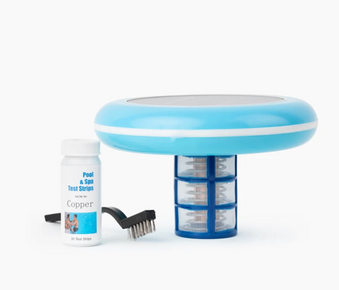
While solar pool ionizers are renowned for their low-maintenance operation compared to traditional chemical systems, proper care and regular maintenance are essential to ensure optimal performance, extend equipment lifespan, and maintain the highest water quality standards. Understanding the specific maintenance requirements of your solar ionizer will help you maximize its effectiveness and enjoy trouble-free operation throughout the swimming season and beyond.
This comprehensive maintenance guide covers everything from daily visual inspections to seasonal storage procedures, providing detailed instructions and expert recommendations for keeping your solar ionizer in peak operating condition. By following these care guidelines, you can ensure your investment continues to deliver crystal-clear water and chemical-free water year after year while minimizing the need for repairs or premature component replacement.
Table Of Contents
- Daily and Weekly Maintenance Routines
- Copper Anode Care and Replacement Procedures
- Electrode Chamber and Component Maintenance
- Solar Panel Cleaning and Performance Optimization
- Seasonal Maintenance and Storage Guidelines
- Troubleshooting Common Maintenance Issues
- Comprehensive Maintenance Schedule and Checklist
1. Daily and Weekly Maintenance Routines
Establishing consistent daily and weekly pool maintenance habits ensures your solar ionizer operates at peak efficiency and allows you to identify potential issues before they become serious problems that could compromise water quality or damage the unit. These quick, simple routines require minimal time investment but provide significant benefits in terms of sustained performance, extended equipment longevity, and prevention of costly repairs. By incorporating these checks into your regular pool maintenance rhythm, you create a proactive maintenance strategy that ensures continuous optimal operation throughout the swimming season.
Daily Visual Inspection Protocol
Each day, take a moment to visually inspect your solar ionizer during your normal pool maintenance routine. This brief but crucial inspection should become as habitual as skimming the pool surface. Begin by verifying that the device is floating freely and hasn't become trapped against pool walls, caught in ladders, or lodged in skimmer baskets where water circulation might be restricted. Pay particular attention to the unit's orientation the solar panel should be facing directly upward toward the sky at approximately a 15-30 degree angle to maximize sun exposure throughout the day. Check that the panel surface remains clean and unobstructed by leaves, pollen, or other debris that could reduce energy conversion efficiency. Look for any unusual positioning, such as tilting significantly to one side or riding unusually low in the water, which might indicate water intrusion into the housing. This comprehensive 30-second visual assessment can prevent days of reduced performance that might occur if the unit becomes stuck, inverted, or obstructed, ensuring continuous ion production and consistent water sanitization.
Detailed Daily Inspection Checklist:
- Position and Movement Assessment: Verify free-floating movement without obstruction from pool features, cleaning pool equipment, or submerged obstacles; ensure the unit isn't trapped in corners or against steps where water circulation is limited
- Solar Panel Orientation: Confirm proper upward-facing position with optimal angle for sunlight capture; check that weight distribution maintains correct panel alignment throughout daylight hours
- Surface Cleanliness Check: Inspect for debris accumulation on solar panel including leaves, pollen, bird droppings, or insects that could reduce photovoltaic efficiency by up to 30%
- Buoyancy Verification: Ensure proper flotation level without excessive submersion or unusual tilting that might indicate housing compromise or water intrusion
- Environmental Assessment: Note any unusual conditions such as extreme weather, heavy bather load, or chemical treatments that might affect performance and warrant additional monitoring
Weekly Performance Verification
Once per week, conduct a more thorough inspection and comprehensive performance assessment that goes beyond the daily visual check. Begin by carefully removing the ionizer from the water, handling it gently to avoid damaging the solar panel or internal components. Examine the external housing from all angles, looking for hairline cracks, stress fractures, or impact damage that might compromise water resistance. Pay special attention to seam integrity and connection points where different components meet. Inspect the protective mesh screens for tears, deformation, or clogging that could restrict water flow to the electrode chamber. Check all visible metal components, including mounting hardware and electrical connections, for signs of corrosion, discoloration, or mineral deposits that could indicate developing problems.
The most critical weekly verification involves confirming active ionization. Submerge the electrode chamber in water while exposing the solar panel to direct sunlight. Within 30-60 seconds, you should observe a steady stream of fine bubbles rising from the electrode area this visible evidence confirms that the photovoltaic system is generating adequate power and the electrolysis process is actively producing ions. The bubble pattern should be consistent and distributed across the electrode surface rather than isolated to one area. Additionally, perform a comprehensive water quality assessment using a reliable copper ion test kit. Dip the pool test strip or draw a water sample according to manufacturer instructions, ensuring you collect water from multiple locations around the pool to account for any distribution variations. Compare results against the color chart or digital reading, ensuring copper ion concentrations remain between 0.2 and 0.5 parts per million the optimal range for effective sanitization without risk of over-treatment.
Comprehensive Weekly Maintenance Tasks:
- Visual Housing Inspection: Methodically examine the entire external casing for cracks, stress marks, discoloration from UV exposure, or physical damage from impact; pay special attention to corners and seams where damage typically originates
- Debris Removal and Cleaning: Clear any leaves, twigs, insects, or accumulated biofilm from the protective mesh screens and solar panel surface using soft brushes and mild cleaning solutions; ensure all water flow channels remain completely unobstructed
- Water Testing and Chemistry Analysis: Verify copper ion concentration using calibrated test strips or laboratory-grade liquid test kits; document results to track trends over time and make adjustments to positioning or maintenance schedule if levels drift outside optimal range
- Movement and Circulation Verification: Ensure the unit moves freely around the pool and isn't obstructed by pool features, pool cleaning equipment, or water current patterns that might limit distribution efficiency
- Function and Performance Check: Confirm active operation by observing bubble production from the electrode chamber in sunlight; note bubble quantity, distribution, and consistency as indicators of system health
- Component Integrity Assessment: Check electrical connections, mounting points, and moving parts for wear, corrosion, or loosening that might affect long-term reliability
- Documentation and Logging: Record inspection findings, test results, and any maintenance performed to establish performance baselines and identify developing trends
Advanced Weekly Monitoring Techniques
For owners seeking optimal performance, several advanced monitoring techniques can provide deeper insights into system operation. Use a digital multimeter to verify solar panel output voltage, which should typically measure between 1.5-3 volts DC in direct sunlight. Monitor water temperature variations, as ionization efficiency can fluctuate with significant temperature changes. Track weather patterns and sunlight exposure, noting how cloud cover or seasonal angle changes might affect performance. Establish specific testing locations around your pool near pool return jets, in corners, and at varying depths to verify even ion distribution. By implementing these comprehensive daily and weekly routines, you transform simple maintenance into a sophisticated performance optimization strategy that maximizes your solar ionizer's effectiveness and ensures years of reliable, chemical-free pool sanitation.

2. Copper Anode Care and Replacement Procedures
The copper anode represents the consumable heart of your solar ionizer system, functioning as the essential component that transforms solar energy into active water purification power. This critical element requires regular maintenance and periodic replacement to maintain optimal performance and ensure consistent water quality. Proper anode care not only guarantees efficient ion production but also prevents the gradual decline in sanitization effectiveness that naturally occurs as the anode material depletes through the electrolysis process. Understanding the complete lifecycle of your copper anode from initial installation through regular maintenance to final replacement is fundamental to maximizing your solar ionizer's performance and protecting your pool investment.
Regular Anode Cleaning Protocol
Every 2-4 weeks, depending on your specific water hardness, pH levels, and pool usage patterns, the anode should be removed from the ionization chamber for thorough cleaning and inspection. Mineral deposits, primarily calcium carbonate and calcium sulfate, naturally accumulate on the anode surface through a process called scaling, which creates an insulating barrier that significantly reduces ionization efficiency by impeding the electrochemical reactions at the electrode surface. This scaling phenomenon occurs more rapidly in hard water areas (typically above 200 ppm calcium hardness) and in pools with higher pH levels (above 7.8), where mineral precipitation accelerates. To properly cleaning the ionizer anode, begin by gently brushing all surfaces with a soft-bristled nylon brush under steady running water, using careful circular motions to dislodge scale without scratching the delicate copper surface. For moderate to heavy deposits, prepare a white vinegar solution (1 part household vinegar to 4 parts clean water) and soak the anode for 15-30 minutes to dissolve the mineral buildup before brushing. For exceptionally stubborn deposits that resist vinegar treatment, a specialized descaling solution formulated for pool equipment may be used, but always rinse thoroughly afterward. Crucially, never use metal brushes, steel wool, harsh chemicals, or abrasive cleaners that could permanently damage the anode surface microstructure, create grooves that accelerate future scaling, or leave chemical residues that might contaminate pool water and affect swimmer safety.
Advanced Cleaning Techniques and Considerations:
- Water Hardness Assessment: Test your pool water's calcium hardness monthly and adjust cleaning frequency accordingly more frequent cleaning (every 2 weeks) for hard water above 300 ppm, less frequent (every 4 weeks) for soft water below 150 ppm
- pH Monitoring: Maintain pool pH between 7.2-7.6 to minimize scale formation while optimizing ionization efficiency; higher pH dramatically accelerates mineral deposition
- Cleaning Solution Alternatives: For vinegar-resistant deposits, use citric acid solutions (1 tablespoon per cup of water) or commercial descaling products specifically labeled safe for pool equipment
- Inspection During Cleaning: Use the cleaning process as an opportunity to examine the anode for early signs of pitting, uneven erosion, or crystallization that might indicate developing problems
- Post-Cleaning Treatment: After descaling, some manufacturers recommend a brief reactivation period where the cleaned anode operates for 24 hours before testing ion levels to ensure stable performance
Anode Replacement Indicators and Procedures
Copper anodes typically require complete replacement every 4-6 months under normal operating conditions, though this timeline can vary significantly based on pool size, usage patterns, environmental factors, and pool water chemistry. For larger pools (over 20,000 gallons) or those with heavy usage, replacement may be needed every 3-4 months, while smaller, lightly used pools might extend anode life to 6-8 months. Monitor these key replacement indicators systematically: visually assess anode diameter reduction during each cleaning (replacement should occur when diameter has decreased by approximately 50% from original size), document difficulty maintaining proper copper ion levels (0.2-0.5 ppm) despite optimal water balance and clean conditions, or note physical changes like increased brittleness, deep pitting, or crystalline surface formations that indicate advanced degradation. The replacement procedure is typically straightforward but requires careful attention to detail: begin by removing the old anode, thoroughly cleaning the electrode chamber of all debris and mineral deposits, installing a new manufacturer-approved replacement anode with precise orientation according to installation markings, and ensuring all electrical connections are secure and corrosion-free. Always handle new anodes with clean hands or gloves to prevent oil transfer, and allow 24-48 hours for ion levels to stabilize before making any chemical adjustments.
Comprehensive Replacement Guidelines:
- Lifespan Factors: Anode consumption rates increase with higher water temperatures, lower pH levels, increased bather load, and greater sunlight exposure adjust replacement schedule accordingly
- Visual Assessment Metrics: Use a caliper for precise diameter measurements; document starting dimensions when new and replace at 50% reduction; watch for uneven erosion patterns that might indicate electrical issues
- Performance-Based Replacement: Replace anode if copper ion levels cannot be maintained above 0.2 ppm despite clean anode and proper water balance, or if weekly consumption rates increase dramatically
- Physical Degradation Signs: Look for deep pitting (over 1mm depth), cracking, extreme brittleness, or green copper carbonate formations indicating advanced deterioration
- Installation Best Practices: Ensure new anode seats properly without forcing, verify electrical contacts are tight but not overtightened, and confirm proper orientation according to manufacturer specifications
Detailed Anode Maintenance Specifications:
- Cleaning Frequency: Every 2-4 weeks based on pool water hardness (more frequent for hard water >250 ppm), bather load, and visible scale accumulation; establish consistent schedule based on your specific conditions
- Replacement Schedule: Typically every 4-6 months under average conditions; every 3-4 months for heavy use or large pools; every 6-8 months for light use or small pools; replace when anode mass is reduced by 50% regardless of timeline
- Cleaning Solutions: Primary: mild white vinegar solution (1:4 ratio with water); Alternatives: citric acid solution, commercial pool-safe descalers; Avoid: hydrochloric acid, abrasive cleaners, metal tools
- Tools Required: Soft-bristled nylon brushes, clean lint-free cloths, white vinegar, plastic container for soaking, caliper for measurement, replacement O-rings if needed, dielectric grease for connections
- Replacement Indicators: 50% diameter reduction, inability to maintain 0.2 ppm copper ions, visible pitting >1mm deep, cracking or brittleness, significant performance decline despite cleaning
- Performance Monitoring: Weekly copper ion testing, monthly anode measurement documentation, tracking of cleaning frequency increases, noting changes in bubble production patterns
By implementing this comprehensive anode maintenance protocol, you ensure that your solar ionizer operates at peak efficiency throughout its service life. Regular, proper care of the copper anode not only maintains optimal water quality but also protects your investment by preventing the system strain that occurs when an overworked ionizer attempts to compensate for a depleted or scaled anode. This proactive approach to anode management transforms what could be a significant maintenance challenge into a simple, routine procedure that guarantees years of reliable, chemical-free pool sanitation.

3. Electrode Chamber and Component Maintenance
The electrode chamber serves as the central processing unit of your solar ionizer water chemistry system, housing the critical components that facilitate the ionization process and transform electrical energy into active water purification. This sophisticated assembly requires careful, systematic maintenance to ensure optimal performance, prevent component failure, and extend the operational lifespan of both consumable and permanent elements. Proper care of the electrode chamber not only maintains efficient ion production but also protects your investment by preventing the cascading failures that can occur when minor issues go unaddressed and develop into major repairs.
Chamber Cleaning and Inspection Protocol
On a monthly basis, perform a comprehensive cleaning and detailed inspection of the entire electrode chamber assembly to ensure all components function harmoniously. Begin by carefully disassembling the chamber according to manufacturer specifications, taking note of component orientation and connection points. Remove any accumulated debris from the protective mesh screens using soft-bristled brushes specifically designed for delicate surfaces, followed by rinsing with low-pressure water streams to dislodge stubborn particles without damaging the screen weave. For screens with significant biofilm or mineral accumulation, prepare a soaking solution of warm water and mild dish soap, allowing the screens to soak for 15-20 minutes before gentle brushing. Inspect the cathode assembly meticulously for early signs of corrosion, scale buildup, or physical damage, cleaning gently with a soft, lint-free cloth dampened with distilled water if necessary. Examine all electrical connections for corrosion, loose fittings, or signs of overheating such as discoloration or melted insulation. Ensure all water flow channels and passageways remain completely clear of obstructions by visually inspecting and testing with low-pressure air or water flow. Verify that all O-rings, gaskets, and seals remain pliable, undamaged, and properly seated, replacing them immediately if they show any signs of cracking, deformation, or compression set that could allow water intrusion into sensitive electrical components.
Detailed Chamber Maintenance Procedures:
- Disassembly Protocol: Document step-by-step disassembly with photos; organize components systematically; note orientation of asymmetrical parts; keep fasteners organized by location
- Screen Cleaning Techniques: Use soft nylon brushes with rounded tips; employ interdental brushes for detailed screen cleaning; utilize compressed air for hard-to-reach areas; avoid high-pressure sprays that could distort screen mesh
- Corrosion Assessment: Examine for green copper carbonate deposits, white aluminum oxide powder, or red iron oxide rust; differentiate between surface discoloration and active corrosion; use magnification for detailed inspection
- Electrical Connection Analysis: Check for tightness using appropriate torque specifications; look for green corrosion on copper, white powder on aluminum, or black oxidation on steel; verify insulation integrity at stress points
- Flow Channel Verification: Use fiber-optic inspection tools for deep channels; verify clear passage with water flow test; check for biological growth in low-flow areas; ensure no manufacturing residue remains
Cathode Maintenance and Care Procedures
The cathode, typically constructed from high-grade titanium with a micron-thick platinum coating, requires minimal but precise maintenance to ensure long-term performance and prevent premature failure. Although cathodes are designed to last for several years under normal operating conditions, regular inspection is crucial for identifying early signs of performance degradation. During monthly maintenance, carefully examine the cathode surface for any loss of the precious platinum coating, which typically appears as discolored, dull, or patchy areas contrasting with the uniform shiny surface of intact coating. Look for subtle indicators of coating failure including localized bubbling, flaking, or variations in surface reflectivity when viewed from different angles. While cathodes typically maintain functionality for 3-5 years in properly maintained systems, significantly reduced ionization efficiency despite new anodes and proper pool water chemistry, or visible coating damage affecting more than 20% of the surface area, indicates replacement may be necessary. For routine cleaning of minor scale accumulation, use only a soft, lint-free cloth dampened with a mild detergent solution, gently wiping the surface in the direction of the metal grain to prevent microscopic scratching. Absolutely avoid abrasive materials, chemical cleaners, or scrubbing tools that could compromise the delicate platinum coating and dramatically reduce cathode lifespan.
Advanced Cathode Care Techniques:
- Coating Integrity Assessment: Use bright lighting at multiple angles to identify coating defects; document findings with photos for comparison over time; measure coating degradation area as percentage of total surface
- Performance Monitoring: Track ionization efficiency relative to anode age; note changes in bubble production patterns; monitor electrical current draw during operation; compare performance metrics monthly
- Cleaning Methodology: Employ the "two-cloth" system one for application of cleaning solution, one for drying; use distilled water to prevent mineral deposits; clean in linear strokes following component geometry
- Replacement Decision Matrix: Consider replacement when coating damage exceeds 20% of surface area, ionization efficiency drops more than 40% with new anode, or visible substrate corrosion appears
- Preventive Protection: Apply dielectric grease to connection points; ensure proper water chemistry to minimize scaling; verify correct voltage operation to prevent accelerated degradation
Comprehensive Electrode Chamber Maintenance Tasks:
- Monthly Chamber Inspection: Complete disassembly and examination for debris accumulation, corrosion development, proper component alignment, and wear patterns; document findings for trend analysis
- Protective Screen Maintenance: Systematic cleaning of all mesh screens using appropriate tools and techniques; inspection for tears, deformation, or clogging; verification of proper screen seating and seal integrity
- Electrical Connection Verification: Thorough check of all connections for tightness, corrosion, and insulation integrity; measurement of contact resistance where accessible; application of anti-corrosion compounds
- Seal and O-ring Assessment: Detailed inspection of all sealing components for pliability, compression set, surface cracking, and proper seating; replacement according to manufacturer schedule or at first signs of degradation
- Flow Channel Optimization: Comprehensive verification of all water passageways for obstructions, manufacturing residue, or biological growth; flow testing to ensure design specifications are maintained
- Component Alignment Verification: Check electrode spacing, mounting integrity, and structural alignment; verify no component interference during operation; ensure all fasteners meet torque specifications
- Documentation and Tracking: Maintain detailed maintenance logs with photographs, measurements, and performance data; establish baseline metrics for comparison; track component lifespan for predictive replacement
By implementing this rigorous electrode chamber maintenance protocol, you ensure that the heart of your ionization system operates at peak efficiency throughout its service life. This proactive approach to chamber maintenance not only prevents unexpected failures but also optimizes ion production efficiency, reduces long-term operating costs, and extends the functional lifespan of your entire solar ionization system. The time invested in proper electrode chamber care pays substantial dividends in reliable performance, consistent water quality, and protection of your pool equipment investment.

4. Solar Panel Cleaning and Performance Optimization
The solar panel serves as the fundamental power source for your entire ionization system, converting sunlight into the electrical energy that drives the electrolysis process. Its cleanliness and operational integrity directly impact system performance, with even minor obstructions or damage potentially reducing energy capture efficiency by up to 30%. Regular, systematic maintenance ensures maximum photovoltaic conversion and consistent operation throughout the swimming season, regardless of environmental challenges. Understanding the precise maintenance requirements of this critical component not only optimizes current performance but significantly extends the functional lifespan of your entire solar ionization system.
Advanced Cleaning Procedures and Techniques
Clean the solar panel surface every 1-2 weeks as part of your regular pool maintenance routine, increasing frequency to 3-4 days during periods of high pollen, dust, agricultural activity, or significant bird presence in your area. Begin by preparing a cleaning solution of lukewarm water and a mild, non-abrasive soap specifically formulated for optical surfaces or photovoltaic panels. Using a soft, lint-free microfiber cloth or natural sponge, gently wipe the panel surface in parallel strokes following the orientation of the cell connections to minimize potential micro-scratches. For stubborn residues including tree sap, insect deposits, or oily films, apply a small amount of 70% isopropyl alcohol using a separate clean cloth, allowing it to dwell for 30-60 seconds to dissolve the contamination before wiping clean. Always complete the cleaning process with a thorough rinse using distilled or filtered water to prevent mineral deposits, followed by careful drying with a dedicated soft chamois or microfiber cloth to eliminate water spotting that could refract light and reduce efficiency. Crucially, avoid all abrasive cleaners, harsh chemicals, high-pressure sprays exceeding 40 psi, or mechanical scrubbers that could permanently damage the anti-reflective coating, protective encapsulation, or underlying photovoltaic cells.
Comprehensive Cleaning Protocol:
- Environmental Assessment: Adjust cleaning frequency based on local conditions: weekly in urban environments with pollution, every 3-4 days during spring pollen season, immediately after dust storms or construction activity, and following bird nesting periods
- Solution Preparation: Use distilled or deionized water to prevent mineral deposits; add 1-2 drops of mild dish soap per liter of water; for heavy contamination, prepare isopropyl alcohol solution (70% concentration) in separate container
- Application Methodology: Work during cooler morning or evening hours to prevent rapid drying; apply solution with spray bottle for even distribution; use separate cloths for application, scrubbing, and drying to prevent cross-contamination
- Stubborn Contaminant Treatment: For tree sap: use isopropyl alcohol with extended dwell time; for bird droppings: pre-soak with water to soften; for hard water spots: use vinegar solution (1:3 with water) with immediate rinsing
- Prohibited Materials: Absolutely avoid abrasive pads, steel wool, razor blades, alkaline cleaners, acidic solutions (except mild vinegar), ammonia-based products, pressure washers, and compressed air for drying
Performance Monitoring and Optimization Strategies
Regularly monitor solar panel performance through multiple assessment methods, beginning with direct observation of ionization activity consistent, vigorous bubble production from the electrode chamber when submerged in sunlight indicates proper power generation and efficient system operation. During extended cloudy pool water periods or seasonal low-light conditions, you may notice reduced but still present ionization activity, which is normal and typically doesn't compromise water quality due to the residual protection provided by existing copper ions that can remain effective for several days. Ensure the panel maintains optimal orientation throughout daylight hours, with the photovoltaic surface facing upward at the manufacturer's recommended angle (typically 15-30 degrees from horizontal) and positioned to avoid shading from pool structures, landscaping, or other obstructions during peak sunlight hours between 10 AM and 4 PM. Periodically conduct detailed inspections for microcracks, delamination, cell discoloration, or hot spots that could indicate physical damage, potential water intrusion, or developing electrical issues requiring professional assessment. For advanced monitoring, consider using a digital multimeter to verify open-circuit voltage and short-circuit current during peak sunlight conditions, comparing readings to manufacturer specifications to identify performance degradation before it becomes apparent through reduced ionization.
Advanced Performance Optimization:
- Ionization Activity Metrics: Establish baseline bubble production rate during ideal conditions; monitor for changes in bubble size, distribution, and production rate; note correlation between sunlight intensity and ionization activity
- Seasonal Performance Tracking: Document performance variations through different seasons; understand reduced winter output is normal; monitor recovery during spring and peak summer efficiency
- Orientation Optimization: Verify flotation system maintains proper panel angle; ensure free movement prevents persistent shading; adjust pool water level if necessary to optimize exposure
- Electrical Performance Verification: Use digital multimeter to measure open-circuit voltage (should be 2-4V in full sun); check short-circuit current (typically 0.5-2A depending on panel size); compare to manufacturer specifications
- Visual Inspection Protocol: Examine for microcracks using magnification; check for delamination at edges; look for cell discoloration or hot spots; identify potential water intrusion points
Detailed Solar Panel Maintenance Guidelines:
- Cleaning Frequency: Every 1-2 weeks under normal conditions; every 3-4 days during high pollen, dust, or bird activity; immediately following storms or visible soiling; adjust based on performance monitoring data
- Cleaning Materials: Soft microfiber cloths (separate for application and drying); natural sponges without abrasive content; mild pH-neutral soap; 70% isopropyl alcohol for stubborn residues; distilled water for final rinse
- Performance Verification: Regular observation of ionization activity and bubble production patterns; seasonal efficiency tracking; electrical measurement verification; correlation with water quality testing
- Damage Inspection: Monthly detailed check for microcracks, delamination, anti-reflective coating degradation, or encapsulation failure; document findings with photographs for comparison over time
- Orientation Maintenance: Ensure proper flotation balance and solar exposure throughout the day; verify no persistent shading occurs; confirm optimal angle relative to seasonal sun position
- Preventive Maintenance: Apply UV-protectant coatings if recommended by manufacturer; maintain proper water chemistry to prevent airborne chemical deposition; store properly during off-season
- Professional Assessment: Schedule annual professional inspection for electrical performance verification; seek immediate assessment if performance drops more than 20% from baseline; consult manufacturer for major damage
By implementing these comprehensive solar panel maintenance procedures, you ensure that your ionization system receives consistent, optimal power input regardless of environmental conditions. This diligent approach to panel care maximizes energy capture efficiency, extends component lifespan, and guarantees reliable system operation throughout the swimming season. The relatively minimal time investment required for proper solar panel maintenance yields substantial returns in system performance, water quality consistency, and long-term equipment reliability.

5. Seasonal Maintenance and Storage Guidelines
Proper seasonal maintenance ensures your solar ionizer remains in optimal condition during the off-season and is ready for immediate, efficient operation when the swimming season begins. These carefully planned procedures protect your investment from environmental damage, prevent component degradation during storage, and significantly extend the functional lifespan of all system components. A systematic approach to seasonal care not only preserves your equipment but also ensures that your pool sanitation system begins each season at peak performance, eliminating the frustrating start-up issues that often plague improperly stored pool equipment.
End-of-Season Winterization Protocol
When closing your pool for the season, begin the winterization process by carefully removing the solar ionizer from the water at least 24 hours before adding any winterizing chemicals that could potentially damage components. Perform a comprehensive cleaning of all system components, starting with disassembly according to manufacturer specifications. Clean the anode using appropriate descaling techniques, paying special attention to any heavy mineral deposits that may have accumulated during the final weeks of operation. Thoroughly clean the electrode chamber, removing all debris from protective mesh screens and ensuring water channels are completely clear. Inspect the cathode for any signs of coating degradation or corrosion, cleaning gently if necessary. Carefully clean the solar panel surface using approved methods to remove any final season contaminants. After cleaning, allow all components to air dry completely in a shaded, well-ventilated area for at least 48 hours, ensuring no moisture remains in crevices, electrical connections, or between components. Remove batteries from any monitoring systems or accessories to prevent leakage damage during storage. Store the unit in its original packaging or a clean, rigid plastic container with adequate padding to prevent movement and impact damage. Choose a climate-controlled storage environment maintaining temperatures between 40-80°F (4-27°C) with humidity below 50% to prevent mold growth, corrosion, and material degradation. Absolutely avoid temperature extremes, direct sunlight exposure during storage, damp environments, or areas with significant temperature fluctuations that could cause condensation inside components. Before final storage, record the installation date and remaining life percentage of the current anode, along with any maintenance notes that will inform next season's startup procedures.
Detailed Winterization Procedures:
- Pre-Removal Preparation: Document current performance metrics; photograph component condition; note any operational quirks observed during season; test final ion levels for reference
- Comprehensive Cleaning Protocol: Disassemble all user-accessible components; clean anode with appropriate descaling solution; flush electrode chamber with low-pressure water; clean solar panel with approved cleaning kit; inspect and clean all seals and O-rings
- Drying and Moisture Prevention: Air dry components for minimum 48 hours in climate-controlled space; use moisture-absorbing packets in storage container; ensure no visible moisture in electrical compartments; verify complete dryness in screw threads and connection points
- Storage Environment Specifications: Maintain stable temperature between 40-80°F (4-27°C); ensure humidity below 50%; provide protection from direct sunlight; prevent exposure to chemicals, pesticides, or corrosive vapors; ensure adequate air circulation around storage container
- Documentation and Planning: Record anode installation date and remaining life; note component conditions requiring attention next season; document storage date and location; schedule spring inspection reminder
Spring Startup Procedure and Verification
When preparing your pool for the new season, begin the solar pool ionizer startup process at least one week before planned pool opening to allow adequate time for inspection, maintenance, and verification. Retrieve the unit from storage and conduct a thorough visual inspection of all components for damage that may have occurred during the off-season. Look for cracks in the housing, corrosion on metal components, degradation of seals and O-rings, and any signs of pest infestation or moisture damage. Install a fresh anode if the current one has been in service for multiple seasons, shows significant wear exceeding 40% diameter reduction, or displays any pitting, cracking, or uneven erosion patterns. Carefully reassemble all components, ensuring proper alignment and secure connections while replacing any questionable seals or O-rings with new ones from your maintenance kit. Before placing the unit in the pool, conduct a comprehensive operational test by submerging the electrode chamber in a bucket of clean water while exposing the solar panel to direct sunlight. Observe for normal bubble production within 2-3 minutes, indicating proper system operation. Once verified, place the ionizer in the pool, ensuring proper flotation and orientation. Allow the system to operate for 24-48 hours to stabilize copper ion production before conducting initial water testing. Monitor performance closely during the first week of operation, checking ion levels daily and making minor adjustments to positioning if necessary to optimize distribution.
Comprehensive Spring Startup Protocol:
- Pre-Deployment Inspection: Examine housing for cracks or damage; check solar panel for delamination or microcracks; verify electrode alignment and condition; inspect all seals and O-rings for pliability; ensure electrical connections are clean and secure
- Component Assessment and Replacement: Evaluate anode condition and replace if worn beyond 40%; assess cathode coating integrity; replace all seals and O-rings annually; verify mesh screen integrity; check flotation elements for leaks or damage
- Pre-Operational Testing: Test in bucket of clean water with full sun exposure; verify bubble production within 2-3 minutes; check for consistent ion distribution around electrode; ensure proper flotation orientation; confirm no unusual sounds or behaviors
- Initial Operation Monitoring: Test copper ion levels after 24-48 hours of operation; verify proper distribution throughout pool; monitor for consistent performance across varying weather conditions; document startup performance for future reference
- System Optimization: Adjust positioning to optimize sunlight exposure; verify free movement around pool; establish baseline performance metrics; schedule first maintenance appointment for 2-3 weeks after startup
Comprehensive Seasonal Maintenance Checklist:
- Pre-Storage Cleaning: Comprehensive disassembly and cleaning of all components; complete drying verification; debris removal from all channels and screens; solar panel surface purification; electrical connection inspection and cleaning
- Proper Storage Conditions: Climate-controlled environment with stable temperature; protection from temperature extremes and direct sunlight; humidity control below 50%; secure storage to prevent physical damage; proper orientation to prevent component stress
- Pre-Season Inspection: Thorough component check for storage damage; verification of all system integrity; replacement of worn consumable components; operational testing before pool deployment; documentation of pre-season condition
- Anode Assessment: Evaluation of remaining anode life; replacement if significantly worn; cleaning if reusable; documentation of installation date; performance verification with new anode
- System Verification: Operational testing in controlled environment; ion level stabilization period monitoring; performance benchmarking; maintenance schedule establishment; warranty and service record updating
- Documentation and Planning: Seasonal performance summary; maintenance log updating; component replacement scheduling; warranty expiration tracking; next season preparation notes
By implementing these detailed seasonal maintenance procedures, you ensure that your solar ionizer transitions smoothly between operating seasons while maintaining peak performance and reliability. The careful attention given to proper winterization and spring startup not only extends the lifespan of your equipment but also guarantees that your pool sanitation system begins each season ready to deliver the crystal-clear, chemical-free water that makes solar ionization such a valuable investment. These seasonal rituals, though requiring modest time investment, pay substantial dividends in equipment longevity, consistent performance, and trouble-free pool owner.

6. Troubleshooting Common Maintenance Issues
Even with meticulous, proper maintenance, occasional issues may arise due to environmental factors, component wear, or unforeseen circumstances. Understanding how to systematically identify, diagnose, and address common problems ensures your solar ionizer continues operating effectively and efficiently throughout the swimming season. This comprehensive troubleshooting guide provides detailed protocols for resolving typical issues and clearly defines when professional service may be required to prevent further damage or safety concerns. A methodical approach to troubleshooting not only resolves immediate problems but also helps identify underlying issues that could lead to more significant failures if left unaddressed.
Common Issues and Detailed Solutions
If you notice reduced ionization efficiency characterized by difficulty maintaining proper copper ion levels or increased algae growth, begin with a systematic diagnostic approach. First, remove and inspect the anode for scale buildup, paying particular attention to the areas around electrical connections and the lower portion of the anode that typically experiences the heaviest deposition. Clean thoroughly using the appropriate descaling protocol, noting the amount and type of scale removed. Simultaneously, verify proper solar panel orientation and cleanliness, ensuring the photovoltaic surface faces upward at the correct angle and is free from debris, pollen, or mineral films that could reduce energy conversion efficiency by up to 40%. Test copper ion levels from multiple locations in the pool to identify potential distribution issues, and inspect the anode for excessive wear, measuring the diameter to determine if replacement is necessary despite the scheduled maintenance timeline.
For units that have stopped producing ions entirely with no visible bubble production even in direct sunlight, implement a more comprehensive diagnostic procedure. Begin with a thorough visual inspection for physical damage to the solar panel, looking for cracks, delamination, or impact damage that could compromise the photovoltaic cells. Examine all electrical components and connections for corrosion, loose fittings, or damaged wiring that could interrupt the circuit. Verify the anode hasn't been completely depleted by measuring its diameter and comparing to replacement thresholds, and ensure all electrical connections remain secure, clean, and free from corrosion. Test the system in a controlled environment by placing the unit in a bucket of water in direct sunlight to eliminate pool chemistry variables while observing for any signs of operation.
If the unit fails to float properly, sitting too low in the water, tilting excessively, or not maintaining proper orientation, conduct a detailed flotation assessment. Inspect the housing thoroughly for hairline cracks, impact damage, or seam separation that could allow water intrusion. Submerge the unit while observing for air bubbles escaping, which would indicate compromised air chambers. Verify that all air chambers remain properly sealed and that no debris or biological growth is obstructing the flotation elements. Check for water inside the housing by shaking the unit and listening for sloshing sounds, and inspect all seals and O-rings for proper installation and integrity.
Advanced Diagnostic Procedures:
- Reduced Ion Production Analysis: Measure current output from solar panel using multimeter; document ion level patterns throughout day; assess anode consumption rate compared to historical data; evaluate water chemistry impact on ionization efficiency
- Complete System Failure Protocol: Verify electrical continuity throughout system; test solar panel output under various light conditions; inspect for water intrusion in electrical compartments; assess electrode alignment and spacing
- Flotation Problem Resolution: Conduct buoyancy tests in controlled environment; measure specific gravity of floating components; inspect internal structure for damage; verify proper reassembly after maintenance
- Intermittent Operation Diagnosis: Monitor performance relative to weather conditions; check for loose connections that vary with movement; assess partial shading patterns throughout day; evaluate temperature-related component failure
When to Seek Professional Service
While most routine maintenance and basic troubleshooting can be performed by pool owners, certain situations warrant professional assessment to prevent further damage, ensure safety, and maintain warranty coverage. These include visible physical damage to the solar panel such as cracks extending across multiple cells, significant delamination of the protective encapsulation, or shattered glass surfaces that compromise both performance and safety. Electrical component failures including persistent circuit interruptions, visible damage to wiring or connections, or suspected issues with the voltage regulation systems require professional diagnosis and repair due to the specialized knowledge and equipment needed. A persistent inability to maintain copper ion levels despite installing new components, proper cleaning, and optimal water chemistry may indicate deeper system issues that require advanced diagnostic equipment. Significant physical damage to the housing that compromises structural integrity, flotation capability, or water resistance typically necessitates professional repair or replacement. Contact the manufacturer or an authorized service provider immediately if you suspect serious electrical issues including smoking, sparking, or overheating components, or if the unit fails to respond to basic troubleshooting measures after multiple attempts.
Professional Service Indicators:
- Electrical System Concerns: Visible damage to solar cells or wiring; inconsistent power output; safety concerns regarding electrical components; warranty coverage requirements for internal repairs
- Structural Integrity Issues: Major housing cracks or fractures; compromised flotation systems; damaged internal supports; issues requiring specialized adhesives or welding
- Performance Problems: Persistent low output despite component replacement; unexplained efficiency drops; recurring issues after multiple repair attempts; suspected manufacturing defects
- Warranty and Certification Needs: Repairs requiring maintenance of water safety certifications; warranty-covered component replacement; manufacturer-specific calibration procedures
Comprehensive Troubleshooting Guide:
- Reduced Ion Production: Check anode condition and scale accumulation; verify solar panel performance and orientation; test water chemistry including pH, hardness, and total dissolved solids; assess electrode chamber for obstructions; evaluate water temperature effects on ionization efficiency
- No Ion Production: Inspect for physical damage to solar panel and electrical components; verify anode hasn't been completely depleted; ensure all electrical connections remain secure; test system in controlled environment; check for circuit interruptions or component failure
- Poor Flotation: Check housing for cracks or water intrusion; verify air chambers remain sealed; inspect for debris obstructing flotation; assess proper reassembly after maintenance; evaluate water density changes due to temperature or chemistry
- Mineral Buildup: Implement regular cleaning schedule based on water hardness; consider water softening options or treatments; use appropriate descaling techniques; assess water balance and adjust chemistry to reduce scaling tendency; install pre-filtration if necessary
- Electrical Issues: Seek professional service for solar panel damage, connection problems, or component failure; avoid self-repair of electrical systems without proper training; document issues for warranty claims; discontinue use if safety concerns exist
- Inconsistent Performance: Monitor weather and environmental factors; check for intermittent connection issues; assess partial shading throughout day; evaluate impact of pool chemicals on performance; consider seasonal adjustment of maintenance schedule
By following this detailed troubleshooting guide, you can effectively address most common issues that may arise with your solar ionizer, ensuring continuous operation and optimal performance. Remember that systematic diagnosis and appropriate response whether through owner maintenance or professional service will maximize your system's lifespan and maintain the water quality benefits that make solar ionization such a valuable pool maintenance solution. When in doubt, particularly with electrical or structural concerns, err on the side of caution and consult with qualified professionals to ensure safe, effective resolution of any problems.

7. Comprehensive Maintenance Schedule and Checklist
Following a structured maintenance schedule ensures all aspects of solar pool ionizer care are addressed promptly and consistently. This comprehensive checklist serves as a quick reference for maintaining your system throughout the year.
Weekly Maintenance Tasks
Perform visual inspection of unit position and condition; test copper ion levels; clean solar panel surface if visibly dirty; verify free movement around pool; check for active ionization bubbles.
Monthly Maintenance Tasks
Remove and clean anode; inspect and clean electrode chamber; check protective mesh screens; verify electrical connections; inspect housing for damage; clean solar panel thoroughly.
Seasonal Maintenance Tasks
Replace anode every 4-6 months; inspect and replace O-rings and seals annually; perform comprehensive cleaning before storage; verify all components before seasonal deployment; test complete system operation.
Annual Professional Service
Consider professional inspection every 2-3 years for units in continuous operation; have electrical systems verified by qualified technician if performance issues persist; consult manufacturer for specific service interval recommendations based on your model.
Complete Maintenance Checklist:
- Daily: Visual inspection of position and orientation
- Weekly: Ion level testing, panel cleaning, movement verification
- Monthly: Anode cleaning, chamber inspection, connection check
- Quarterly: Anode replacement, comprehensive component inspection
- Annually: Seal replacement, professional assessment, storage preparation
By following this comprehensive maintenance guide, you can ensure your solar pool ionizer provides years of reliable, efficient service. Regular care not only maintains optimal performance but also extends the lifespan of your investment, ensuring you continue to enjoy crystal-clear, chemical-free water with minimal effort. Remember that consistent maintenance is far simpler and more cost-effective than dealing with the consequences of neglect, making these routines well worth the minimal time investment they require.