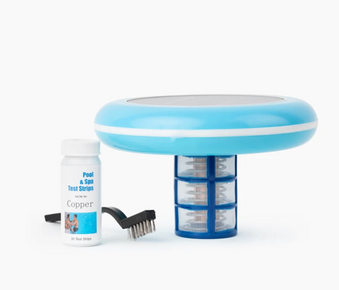
Maintaining a residential swimming pool often requires constant chemical adjustments, regular cleaning, and ongoing monitoring of water quality. Many homeowners rely heavily on chlorine and other harsh chemicals, which can lead to skin irritation, strong odors, and higher long-term maintenance costs.
This traditional approach to pool maintenance creates what experienced pool professionals call "chemical dependency" a cycle where more chemicals lead to more problems, requiring yet more chemicals to correct them. Chlorine not only sanitizes but also aggressively oxidizes everything it contacts, including swimmer's skin, eyes, and hair, while simultaneously breaking down into irritating byproducts called chloramines. The constant battle against algae, bacteria, and cloudy water becomes a recurring expense in both money and time, with pool owners often finding themselves testing and adjusting chemistry multiple times weekly just to maintain basic water quality.
Solar pool ionizers offer a smarter, more natural approach to pool sanitation. By using mineral ions powered by solar energy, these systems help keep pool water clean, clear, and balanced with significantly less chemical use. In this blog, we’ll explore the key advantages of solar pool ionizers and why they are an excellent choice for residential pool owners.
Table of Contents
- What Is a Solar Pool Ionizer and How Does It Work?
- Reducing Dependence on Chlorine and Harsh Chemicals
- Improved Water Quality and Swimmer Comfort
- Cost Savings for Residential Pool Owners
- Eco-Friendly and Energy-Efficient Pool Sanitation
- Easy Installation and Low Maintenance
- Final Thoughts: A Smarter Way to Maintain Residential Pools
1. What Is a Solar Pool Ionizer and How Does It Work?
A solar pool ionizer is an advanced water sanitation device that harnesses solar energy to generate mineral ions for natural pool purification. This innovative system represents a fundamental shift from chemical-dependent sanitation to mineral-based biological control, offering homeowners a sustainable alternative to traditional chlorine-heavy approaches. Unlike conventional sanitizers that work through chemical oxidation, solar ionizers operate through what scientists call "oligodynamic action" the ability of trace metal ions to disrupt microbial life at concentrations harmless to humans. The system consists of three primary components: solar panels that convert sunlight into electrical energy, an ionization chamber containing copper and silver electrodes, and a control mechanism that regulates ion release based on pool conditions. By generating positively charged copper and silver ions that circulate throughout the pool, these devices create what microbiologists term a "microbiostatic environment" where algae and bacteria cannot thrive or reproduce, effectively preventing water quality problems before they begin.
Core Components and Solar Energy Conversion
Solar pool ionizers operate through a sophisticated integration of photovoltaic technology and electrochemical processes that work together to provide continuous sanitation. The system begins with solar panels specifically engineered for aquatic environments, typically constructed with durable, waterproof materials that withstand constant exposure to pool chemicals and weather elements. These panels contain photovoltaic cells that convert sunlight into direct current (DC) electricity through the photovoltaic effect, generating sufficient voltage (typically 12-24 volts) to power the ionization process without requiring external electrical connections. The generated electricity flows to an ionization chamber containing two types of electrodes: copper electrodes that release copper ions (Cu²⁺) and silver electrodes that release silver ions (Ag⁺). A built-in control circuit regulates the electrical current based on available sunlight, ensuring consistent ion production even on partially cloudy days. This solar-to-ion conversion represents a completely self-contained power system that operates independently of household electricity, making it both energy-independent and environmentally sustainable.
- Photovoltaic Solar Panels: Convert sunlight into electrical energy without external power sources
- Copper and Silver Electrodes: Release mineral ions through controlled electrochemical reactions
- Regulation Circuitry: Adjusts ion production based on sunlight availability and pool conditions
- Weather-Resistant Construction: Designed specifically for constant exposure to pool environments
Step-by-Step Ionization and Sanitation Process
Understanding how solar pool ionizers work involves following their systematic operational sequence from sunlight capture to water purification. The process follows these specific steps:
- Solar Energy Collection: Photovoltaic panels absorb sunlight and convert it into electrical current, with efficiency optimized for typical pool exposure conditions (6-8 hours of direct sunlight daily)
- Electrical Current Generation: Solar cells produce 12-24 volts of direct current, sufficient to drive the ionization process without battery storage
- Electrode Activation: Electrical current passes through copper and silver electrodes, causing atoms to lose electrons and become positively charged ions
- Ion Release: Copper ions (Cu²⁺) and silver ions (Ag⁺) enter the pool water at controlled rates, typically 0.2-0.4 ppm for copper and 0.005-0.01 ppm for silver
- Water Circulation Distribution: Pool circulation systems distribute ions throughout the entire water volume, ensuring even coverage
- Microbial Interaction: Mineral ions penetrate algal and bacterial cell walls, disrupting metabolic processes and preventing reproduction
- Continuous Maintenance: System operates daily during sunlight hours, maintaining consistent ion levels that provide ongoing protection
How Mineral Ions Sanitize Pool Water Naturally
Solar pool ionizers are a smarter pool sanitation system that sanitize water through the natural antimicrobial properties of ionization. through the natural antimicrobial properties of copper and silver ions, which work through multiple biological mechanisms. Copper ions primarily target algae by interfering with photosynthesis they bind to chlorophyll molecules and disrupt the electron transport chain that converts sunlight into energy. Silver ions excel at bacterial control by binding to sulfur-containing proteins in bacterial cell membranes and enzymes, effectively disabling cellular functions. Together, these ions create what water treatment specialists call "multiple barrier protection," where different microorganisms are controlled through different mechanisms, making resistance development extremely unlikely. The ions remain active in the water for extended periods (days to weeks) because they don't degrade through sunlight exposure like chlorine, providing continuous protection rather than the peak-and-decline cycles characteristic of chemical sanitizers. This persistent action means water remains protected even during periods of limited sunlight or when the pool isn't in use.
- Copper Ion Action: Disrupts algal photosynthesis by binding to chlorophyll and interfering with energy production
- Silver Ion Action: Binds to bacterial proteins and enzymes, disabling cellular functions and preventing reproduction
- Multiple Mechanism Protection: Different ions target different microbial processes, preventing resistance development
- Extended Activity Period: Ions remain active for days or weeks without degrading, unlike chlorine that breaks down rapidly
- Continuous Protection: Maintains consistent antimicrobial activity rather than peak-and-decline chemical cycles
Integration with Minimal Chlorine Systems
Solar pool ionizers work most effectively when integrated with low-level chlorine systems, creating what water treatment professionals term "hybrid sanitation" that leverages the strengths of both approaches. In this complementary system, mineral ions provide continuous background protection against algae and bacteria, while minimal chlorine (typically 0.5-1.0 ppm instead of the traditional 2-4 ppm) handles rapid oxidation of organic contaminants introduced by swimmers. The synergy occurs because copper and silver ions prevent the microbial growth that normally consumes large amounts of chlorine, allowing chlorine to focus on its primary oxidation function rather than being depleted fighting algae. This integration follows specific guidelines: maintain copper levels at 0.2-0.4 ppm, silver at 0.005-0.01 ppm, and chlorine at 0.5-1.0 ppm, with regular testing to ensure proper balance. The combined system provides multiple layers of protection if chlorine levels momentarily dip, mineral ions maintain sanitation; if ion production decreases temporarily, chlorine provides backup creating a resilient sanitation approach that maintains water quality through varying conditions with minimal chemical intervention.
- Role Division: Mineral ions provide continuous microbial protection while chlorine handles rapid oxidation of swimmer-introduced contaminants
- Optimal Level Guidelines: Copper 0.2-0.4 ppm, silver 0.005-0.01 ppm, chlorine 0.5-1.0 ppm for balanced hybrid sanitation
- Chlorine Conservation: Mineral ions prevent microbial growth that normally consumes chlorine, allowing lower chlorine maintenance
- System Redundancy: Multiple sanitation methods provide backup protection if one system experiences temporary reduced effectiveness
- Chemical Reduction: Typically achieves 50-80% reduction in chlorine use compared to traditional chlorine-only systems
Solar pool ionizers represent a sophisticated integration of solar technology and natural water purification that transforms pool maintenance from chemical management to mineral stewardship. Through solar-powered generation of antimicrobial copper and silver ions, systematic distribution through pool circulation, multiple-mechanism microbial control, and intelligent integration with minimal chlorine systems, these devices provide effective, sustainable sanitation with significantly reduced chemical dependency. This approach addresses the fundamental challenges of traditional pool maintenance by providing continuous protection, reducing chemical handling, minimizing swimmer irritation, and creating water that feels naturally clean rather than chemically treated. For homeowners seeking a smarter approach to pool care, solar ionizers offer a proven technology that delivers crystal-clear pool water, simpler maintenance, and more enjoyable swimming through natural mineral sanitation powered by renewable solar energy.

2. Reducing Dependence on Chlorine and Harsh Chemicals
Solar pool ionizers dramatically reduce chemical dependency by fundamentally changing how pools stay clean, shifting from constant chemical oxidation to continuous mineral protection. This reduction occurs because traditional chlorine systems face a constant battle against two separate challenges: killing microorganisms and oxidizing organic contaminants both of which consume chlorine rapidly. Solar ionizers address the microbial component through mineral ions, allowing chlorine to focus exclusively on oxidation while being maintained at much lower levels. This division of labor is particularly effective because copper and silver ions excel at preventing algae and bacteria the very organisms that typically consume 60-80% of chlorine in traditional pools. The result is what water treatment professionals term "chemical load reduction" a systematic decrease in both the quantity and frequency of chemical additions needed to maintain and improve pool water quality, transforming pool maintenance from daily chemical management to occasional mineral monitoring.
Step-by-Step Chemical Reduction Process
Solar pool ionizers reduce chemical usage through a systematic process that addresses each point of chlorine consumption:
- Algae Prevention: Copper ions continuously prevent algal growth, eliminating the need for weekly algaecides and reducing the chlorine consumed fighting algae
- Bacterial Control: Silver ions maintain bacterial control, reducing the chlorine demand for disinfection by 70-80%
- Organic Load Reduction: Cleaner water with fewer microorganisms means less organic matter consuming chlorine through oxidation reactions
- Chloramine Prevention: Reduced chlorine levels mean less formation of irritating chloramines, decreasing the need for shock treatments to break them down
- pH Stability: Lower chlorine use creates more stable pH, reducing the need for frequent acid or soda ash adjustments
Specific Chemical Reductions and Their Benefits
Solar pool ionizers deliver measurable reductions in specific chemicals that pool owners traditionally use:
- Chlorine Reduction: Decreases chlorine usage by 50-80%, from typical 2-4 ppm to 0.5-1.0 ppm maintenance levels
- Algaecide Elimination: Completely eliminates need for copper-based or quaternary ammonium algaecides in most pool environments
- Shock Treatment Reduction: Reduces shock treatments by 75-90%, with many pools requiring only occasional oxidation rather than weekly shocking
- pH Adjuster Reduction: Decreases acid and soda ash usage by 40-60% due to more stable water chemistry
- Clarifier and Flocculant Reduction: Reduces or eliminates need for water clarifiers since mineral ions help keep particles suspended for pool filtration system
How Reduced Chemicals Improve Pool Environment
The reduction in chemical usage creates multiple benefits for both swimmers and pool systems:
- Elimination of Chlorine Odor: Lower chlorine levels mean no strong "chlorine smell" (actually chloramine odor) that characterizes heavily chlorinated pools
- Reduced Swimmer Irritation: Minimizes red eyes, itchy skin, and respiratory issues caused by high chlorine and chloramine levels
- Improved Water Feel: Creates softer water that doesn't dry out skin or damage hair like heavily chlorinated water
- Protection of Pool Equipment: Reduced chemical exposure extends the life of pumps, filters, heaters, and pool surfaces
- Simplified Water Testing: Fewer chemical parameters to monitor and adjust reduces testing frequency and complexity
Chemical Handling and Storage Reduction
Solar pool ionizers significantly reduce the practical burdens of chemical management:
- Storage Space Recovery: Eliminates need for large storage areas for chlorine containers, acid jugs, and chemical boxes
- Safety Improvement: Reduces handling of hazardous chemicals, minimizing risks of spills, fumes, and accidental mixing
- Purchase Frequency Reduction: Chemical purchases decrease from weekly or monthly to occasional, saving shopping time and transportation
- Measurement and Mixing Reduction: Minimizes precise chemical measuring, mixing, and careful addition procedures
- Disposal Concerns Reduction: Decreases concerns about proper chemical container disposal and environmental impact
Long-Term Chemical Cost Savings Analysis
The financial benefits of reduced chemical usage add up significantly over time:
- Annual Chemical Savings: Typical residential pools save $300-$600 annually on chlorine, algaecides, shock, and pH adjusters
- Equipment Longevity Savings: Reduced chemical exposure extends pump, filter, and heater lifespan, saving replacement costs
- Surface Preservation Savings: Lower chemical levels prevent fading, etching, and deterioration of pool finishes and coping
- Professional Service Reduction: Many homeowners reduce professional chemical service visits from weekly to monthly or seasonal
- Payback Period: Most solar ionizer systems pay for themselves through chemical savings within 2-3 swimming seasons
Solar pool ionizers deliver substantial reductions in chemical dependency by addressing the root causes of chemical demand rather than simply using fewer chemicals. Through systematic prevention of pool algae and bacteria growth, reduction of organic loads, stabilization of water chemistry, and integration with minimal chlorine systems, these devices transform pool maintenance from constant chemical management to occasional mineral monitoring. The benefits extend beyond simple cost savings to include improved swimmer comfort, simplified maintenance routines, reduced chemical handling risks, and enhanced equipment longevity. This comprehensive approach to chemical reduction represents not just using fewer chemicals but fundamentally changing how pools stay clean, creating safer, more comfortable swimming environments while significantly lowering the ongoing costs and efforts of pool ownership.

3. Improved Water Quality and Swimmer Comfort
Solar pool ionizers significantly enhance water quality by creating a more natural aquatic environment that prioritizes swimmer comfort alongside effective sanitation. This improvement stems from addressing the fundamental incompatibility between human physiology and traditional chemical sanitation where chlorine's effectiveness comes at the cost of swimmer comfort. Solar ionizers transform this relationship by using mineral ions that work at concentrations harmless to humans while remaining lethal to microorganisms, creating what health professionals term "biologically compatible sanitation." The water quality improvements are immediately noticeable: water feels silkier against the skin, lacks the harsh chemical sensation that causes eye irritation, and maintains exceptional clarity without the cloudy pool water that often accompanies chemical adjustments. These enhancements are particularly valuable for families with children, individuals with sensitive skin or respiratory conditions, and anyone who spends extended time in their pool, creating an aquatic environment that invites rather than tolerates immersion.
Step-by-Step Water Quality Improvement Process
Solar pool ionizers improve water quality through a systematic process that addresses each aspect of swimmer comfort and sensory experience:
- Chemical Byproduct Reduction: Lower chlorine levels minimize formation of chloramines the irritating compounds that cause red eyes and strong odors
- Mineral Ion Integration: Copper and silver ions at optimal levels (0.2-0.4 ppm copper, 0.005-0.01 ppm silver) create water that feels naturally soft
- pH Stabilization: Reduced chemical adjustments maintain pH closer to human tear pH (7.4-7.6), minimizing eye irritation
- Organic Load Management: Continuous sanitation prevents buildup of organic matter that clouds water and creates unpleasant odors
- Surface Tension Optimization: Proper mineral balance creates ideal surface tension that makes water feel silkier and more natural
Specific Improvements in Water Characteristics
Solar ionizer-treated pools exhibit measurable differences in key water quality parameters:
- Water Softness: Reduced calcium scaling and mineral precipitation creates noticeably softer water that doesn't leave skin feeling dry
- Clarity Enhancement: Mineral ions act as natural flocculants, helping fine particles clump for better filtration and achieving 90+ NTU clarity
- Odor Elimination: Absence of chloramines means no "chlorine smell" water smells clean and fresh rather than chemically treated
- Taste Improvement: Reduced chemical levels mean accidental ingestion tastes like clean water rather than harsh chemicals
- Visual Appeal: Water maintains sparkling clarity, maximize pool water clarity through better light refraction and reduced surface film
Swimmer Comfort Benefits for Different User Groups
Solar ionizer-treated pools provide specific comfort advantages for different types of swimmers:
- Children and Families: Eliminates red eyes and skin irritation that often cut swimming sessions short, encouraging longer, more frequent use
- Sensitive Skin Individuals: Reduces eczema flare-ups, dryness, and irritation common with chlorine-heavy pools
- Respiratory Sensitive Swimmers: Minimizes asthma triggers and respiratory irritation from chloramine fumes at the water surface
- Frequent Swimmers and Athletes: Prevents "swimmer's skin" the dry, itchy condition from prolonged chlorine exposure
- Contact Lens Wearers: Reduces irritation that often forces lens removal before swimming in traditional pools
How Solar Ionizers Eliminate Common Pool Comfort Issues
Solar pool ionizers address specific comfort problems that plague traditionally sanitized pools:
- Eye Irritation Resolution: Maintains pH at ideal levels (7.4-7.6) while eliminating chloramines the two primary causes of red, burning eyes
- Skin Dryness Prevention: Lower chlorine levels prevent stripping of natural skin oils that causes dryness and itching
- Hair Damage Reduction: Minimizes chlorine bonding to hair proteins that causes dryness, brittleness, and color changes
- Respiratory Comfort: Reduces chloramine vapor concentration at water surface that causes coughing and throat irritation
- Swimwear Preservation: Lower chlorine levels significantly slow fabric degradation and color fading in swimsuits
Health and Safety Benefits Beyond Comfort
The water quality improvements from solar ionizers extend beyond comfort to include genuine health advantages:
- Reduced Chemical Exposure: Lower overall chemical load means swimmers absorb fewer chemicals through skin and inhalation
- Allergy and Asthma Management: Creates aquatic environments more compatible with respiratory conditions
- Skin Condition Compatibility: Better for individuals with eczema, psoriasis, or dermatological sensitivities
- Reduced Disinfection Byproducts: Minimizes formation of potentially harmful chlorination byproducts
- Enhanced Microbial Safety: Continuous mineral ion protection maintains effective sanitation without chemical peaks and valleys
Solar pool ionizers deliver comprehensive improvements in water quality and swimmer comfort by creating aquatic environments that work with human biology rather than against it. Through systematic reduction of chemical irritants, optimization of water chemistry for comfort, elimination of unpleasant odors, and enhancement of sensory water qualities, these systems transform pools from merely sanitary to genuinely enjoyable. The benefits are particularly significant for vulnerable groups children, sensitive individuals, frequent swimmers who experience modern pool care practices as harsh rather than inviting. By maintaining effective sanitation through natural mineral ions while minimizing chemical side effects, solar ionizers create swimming experiences where comfort and cleanliness coexist, encouraging more frequent use, longer swimming sessions, and greater overall enjoyment of residential pools.

4. Cost Savings for Residential Pool Owners
Solar pool ionizers deliver substantial long-term financial benefits by transforming pool maintenance from an ongoing expense into a managed investment with predictable returns. This cost-effectiveness stems from addressing the fundamental economic reality of traditional pool ownership: chemicals represent a recurring, often escalating expense that never stops, while pool equipment suffers accelerated wear from chemical exposure. Solar ionizers reverse this equation through upfront investment that yields continuous savings, creating what financial analysts term "positive cash flow conversion" where money previously spent on consumables instead pays for durable equipment. The savings extend beyond simple chemical reduction to include equipment longevity, reduced professional services, and even potential energy savings through optimized pool operation. For residential pool owners, this financial transformation means moving from unpredictable monthly expenses to predictable annual costs, with the added benefit of enhanced pool enjoyment and reduced maintenance time.
Step-by-Step Cost Savings Analysis
Understanding solar pool ionizer cost savings involves examining the systematic reduction across all pool maintenance expenses:
- Initial Investment: Purchase solar ionizer system ($600-$1,500 depending on pool size and features)
- Immediate Chemical Reduction: Begin saving $50-$100 monthly on chlorine, algaecides, shock, and pH adjusters
- Professional Service Reduction: Reduce or eliminate weekly chemical service visits ($80-$150 monthly)
- Equipment Longevity Extension: Begin extending pump, filter, and heater lifespan through reduced chemical exposure
- Cumulative Savings: Achieve payback within 12-24 months, then enjoy pure savings for remaining system life
Annual Chemical Expense Reduction
Solar pool ionizers deliver measurable reductions in specific chemical expenses for residential pools:
- Chlorine Savings: Reduce from $300-$600 annually to $60-$150 saving $240-$450 yearly
- Algaecide Elimination: Save $100-$250 annually by completely eliminating copper-based or quat algaecides
- Shock Treatment Reduction: Cut from $150-$300 annually to $30-$75 saving $120-$225 yearly
- pH Adjuster Savings: Reduce acid and soda ash purchases by 40-60%, saving $60-$120 annually
- Total Annual Chemical Savings: $520-$1,045 for average residential pools (15,000-30,000 gallons)
Professional Service Cost Reduction
Solar ionizers significantly reduce or eliminate the need for professional pool maintenance services:
- Weekly Chemical Service Elimination: Save $80-$150 per visit, totaling $4,160-$7,800 annually for weekly service
- Opening/Closing Service Reduction: Simplify seasonal services, potentially saving $200-$400 per season
- Water Testing Frequency Reduction: Reduce professional testing from weekly to monthly or seasonal
- Emergency Service Avoidance: Prevent algae outbreaks and water emergencies that require emergency professional treatment
- Total Annual Service Savings: $1,000-$4,000+ depending on current service level
Equipment Longevity and Replacement Cost Savings
Reduced chemical exposure significantly extends the lifespan of pool equipment and surfaces:
- Pump and Motor Extension: Extend typical 5-7 year lifespan to 8-12 years, delaying $800-$1,500 replacements
- Filter System Preservation: Reduce filter media replacement frequency and extend vessel life by 30-50%
- Heater Protection: Prevent corrosion in heat exchangers for pool, potentially extending heater life by 3-5 years
- Pool Surface Preservation: Reduce plaster deterioration, vinyl fading, and fiberglass staining from chemical exposure
- Automation System Protection: Extend life of controllers, sensors, and automated chemical feeders
Payback Period and Return on Investment Analysis
Solar pool ionizers typically deliver rapid financial returns through comprehensive savings:
- Initial Investment: $600-$1,500 for complete solar ionizer system
- Annual Chemical Savings: $520-$1,045 depending on pool size and previous chemical use
- Annual Service Savings: $1,000-$4,000 for pools previously using professional maintenance
- Simple Payback Period: 6-18 months for pools using professional service, 12-30 months for DIY-maintained pools
- 10-Year Savings Estimate: $5,000-$15,000+ depending on initial maintenance approach
- Return on Investment: 300-800% over system lifespan (5-10 years)
Additional Financial Benefits and Value Considerations
Beyond direct savings, solar pool ionizers provide additional financial advantages:
- Property Value Enhancement: Modern, eco-friendly pool systems can increase property appeal and value
- Insurance Premium Considerations: Reduced chemical storage may lower homeowner's insurance premiums
- Time Value Savings: Reduced maintenance time represents additional value (2-4 hours weekly saved)
- Environmental Credit Potential: Some regions offer rebates or credits for eco-friendly pool upgrades
- Health Care Cost Avoidance: Reduced skin and respiratory issues may lower associated healthcare expenses
Solar pool ionizers deliver compelling financial benefits that transform pool ownership from an ongoing expense to a smart investment. Through systematic reduction of chemical expenses, elimination or reduction of professional service costs, extension of equipment lifespan, and rapid payback periods, these systems provide both immediate and long-term savings. The financial analysis reveals that most residential pool owners recover their initial investment within 1-2 swimming seasons, after which they enjoy pure savings for years to come. Beyond direct monetary benefits, solar ionizers enhance property value, save valuable time, and contribute to environmental sustainability creating a comprehensive value proposition that makes them one of the most financially intelligent upgrades available for residential pool owners seeking to reduce costs while improving their swimming experience.

5. Eco-Friendly and Energy-Efficient Pool Sanitation
Solar pool ionizers represent a paradigm shift in sustainable pool maintenance, combining renewable energy technology with natural water purification to create genuinely eco-friendly sanitation systems. These devices address multiple environmental concerns simultaneously: reducing chemical manufacturing and disposal impacts, eliminating fossil-fuel-derived electricity consumption, preventing chemical runoff into local ecosystems, and minimizing the overall carbon footprint of pool ownership. The environmental advantages stem from their core design philosophy using abundant sunlight to power natural mineral purification rather than relying on manufactured chemicals and grid electricity. This approach creates what sustainability experts term a "closed-loop environmental benefit," where each aspect of the system reinforces ecological responsibility: solar power enables chemical reduction, which minimizes manufacturing impacts, which reduces transportation emissions, which decreases waterway contamination. For environmentally conscious homeowners, solar ionizers provide a practical way to create a healthier pool environment while enjoying pool amenities, aligning with broader sustainability goals, and reducing their household's environmental impact.
Step-by-Step Environmental Benefit Process
Solar pool ionizers deliver environmental benefits through a systematic process that addresses multiple ecological concerns:
- Renewable Energy Utilization: Photovoltaic panels convert sunlight directly into electricity with zero emissions during operation
- Chemical Manufacturing Reduction: Lower chlorine demand decreases industrial production of pool chemicals and associated pollution
- Transportation Impact Reduction: Reduced chemical purchases mean fewer delivery trucks on roads and lower associated emissions
- Waterway Protection: Minimizes chemical runoff into groundwater and local waterways during backwashing and drainage
- Waste Stream Reduction: Decreases plastic container waste from chemical packaging that typically requires disposal or recycling
Solar Energy Utilization and Carbon Footprint Reduction
Solar pool ionizers eliminate fossil fuel dependence through comprehensive solar integration:
- Zero Grid Electricity Consumption: Operate entirely on solar power, eliminating 100-200 kWh annual consumption compared to traditional sanitation
- Carbon Emission Elimination: Prevent 50-100 pounds of CO₂ emissions annually by avoiding grid electricity for pool sanitation
- Peak Load Reduction: Operate during daylight hours without contributing to peak electrical demand that often relies on fossil fuels
- Energy Independence: Provide pool sanitation even during power outages or grid instability
- Renewable Integration: Support broader household transition to renewable energy by reducing overall electricity demand
Chemical Reduction and Environmental Protection Benefits
The chemical reduction from solar ionizers provides significant environmental protections:
- Manufacturing Impact Reduction: Each pound of chlorine not used eliminates 1.5-2 pounds of manufacturing emissions and chemical waste
- Waterway Contamination Prevention: Reduces chlorine, algaecides, and stabilizers entering local ecosystems through splash-out and backwashing
- Soil and Groundwater Protection: Minimizes chemical leaching into soil and groundwater from pool overflow and drainage
- Aquatic Life Protection: Reduces harm to fish, plants, and microorganisms in local waterways affected by pool water discharge
- Municipal Treatment Burden Reduction: Decreases chemical load on water treatment facilities when pool water enters municipal systems
Water Conservation and Resource Protection
Solar pool ionizers contribute to water conservation through improved and automated pool management:
- Backwashing Reduction: Cleaner water means less frequent filter backwashing, saving 300-500 gallons per avoided cycle
- Drainage Frequency Reduction: Better water quality extends time between complete pool drainings, conserving thousands of gallons
- Evaporation Management: Reduced chemical films on water surfaces can slightly decrease evaporation rates
- Make-up Water Reduction: Less frequent backwashing and drainage reduces municipal water consumption for pool maintenance
- Water Quality Preservation: Maintains water in usable condition longer, delaying replacement and conserving treated water resources
Lifecycle Environmental Impact Analysis
The complete environmental impact of solar ionizers extends across their entire lifecycle:
- Manufacturing Phase: Solar panel production has environmental cost, but this is offset within 6-12 months of operation compared to chemical alternatives
- Operational Phase: 5-10 years of chemical-free, electricity-free operation with zero ongoing environmental impact
- Chemical Avoidance Impact: Prevents production and disposal of 500-1,000 pounds of chlorine and other chemicals over system life
- End-of-Life Phase: Most components are recyclable metals, glass, and some plastics can be recovered and reused
- Net Environmental Benefit: Over 10-year lifespan, typical system prevents 5,000+ pounds of CO₂ emissions and 800+ pounds of chemical production
Integration with Other Sustainable Home Systems
Solar pool ionizers complement broader household sustainability initiatives:
- Whole-Home Solar Compatibility: Work seamlessly with residential solar panel systems without requiring additional infrastructure
- Energy Management Integration: Can be coordinated with home energy management systems for optimal efficiency
- Sustainable Landscaping Compatibility: Reduced chemical runoff allows safer integration with organic gardens and landscaping
- Rainwater Harvesting Compatibility: Cleaner pool water is more compatible with rainwater collection and reuse systems
- Green Home Certification Contribution: Can contribute points toward LEED, Energy Star, or other green home certifications
Solar pool ionizers deliver comprehensive environmental benefits that extend far beyond simple chemical reduction to create genuinely sustainable pool sanitation. Through complete solar energy independence, elimination of chemical manufacturing and disposal impacts, protection of local waterways and ecosystems, water conservation contributions, and seamless integration with broader household sustainability efforts, these systems represent a responsible choice for eco-conscious pool owners. The environmental advantages are both immediate and long-term, addressing not only the operational impacts of pool maintenance but also the broader lifecycle considerations of manufacturing, transportation, and disposal. By choosing solar ionizers, homeowners can enjoy eco-friendly home pools while minimizing their environmental footprint, protecting local ecosystems, and contributing to a more sustainable approach to residential water recreation.

6. Easy Installation and Low Maintenance
Solar pool ionizers are designed for homeowner-friendly installation and minimal maintenance, making them a smart addition to pool strategies for homeowners and addressing a key barrier to adopting new pool technologies: complexity. Unlike traditional pool systems that often require professional installation, electrical work, and complicated plumbing modifications, solar ionizers follow what engineers term "plug-and-play design philosophy" systems that anyone can install with basic tools and no specialized knowledge. This simplicity stems from their self-contained nature: they operate independently of existing pool equipment, require no electrical connections to household systems, and integrate seamlessly with any pool type or size. The maintenance requirements are equally straightforward, focusing on occasional monitoring rather than constant adjustment, creating what pool professionals call "set-and-forget operation" where the system works reliably for months with minimal intervention. This combination of easy installation and low maintenance makes solar ionizers particularly appealing to busy homeowners, first-time pool owners, and those who prefer spending time enjoying their pool rather than maintaining it.
Step-by-Step Installation Process
Installing a solar pool ionizer follows a straightforward process that most homeowners can complete in under two hours:
- Site Selection and Planning: Choose optimal location for solar panel (full sun exposure, secure mounting surface) and ionizer unit (near pool edge, protected from direct pool splashing)
- Solar Panel Mounting: Secure mounting bracket to chosen surface (deck post, fence, roof eave) using provided hardware, then attach solar panel
- Ionizer Unit Placement: Position ionizer chamber in pool using included flotation device or mounting bracket, ensuring it's submerged but accessible
- Connection and Setup: Connect solar panel to ionizer unit using waterproof cable, verify all connections are secure and waterproof
- Initial Testing and Adjustment: Test system during daylight hours, adjust floatation or positioning as needed, verify ion production indicators
- Final Configuration: Set any adjustable parameters (if equipped), establish initial monitoring schedule, document installation details
Installation Requirements and Tools Needed
Solar pool ionizer installation requires minimal tools and no specialized skills:
- Required Tools: Basic screwdriver set, adjustable wrench, tape measure, level (all typically included in installation kit)
- Mounting Surfaces: Compatible with wood decks, concrete pads, vinyl fencing, roof edges, or dedicated posts
- Electrical Requirements: No household electrical connections needed completely solar-powered operation
- Plumbing Requirements: No pool plumbing modifications operates independently of filtration and circulation systems
- Time Investment: Typical installation takes 1-2 hours for one person, 45-90 minutes for two people
- Skill Level: Designed for homeowners with basic DIY skills no electrical, plumbing, or pool technician experience required
Routine Maintenance Requirements and Schedule
Solar pool ionizers require minimal routine maintenance organized around simple seasonal checks:
- Daily/Weekly: Visual inspection of solar panel for debris, quick check of ionizer unit position in water
- Monthly: Verify mineral ion levels through simple pool test strips, clean solar panel surface if needed, inspect connections
- Seasonal (Every 3-4 Months): Inspect electrodes for wear, clean ionizer chamber if mineral buildup occurs, verify mounting security
- Annual: Comprehensive system check, potential electrode replacement, solar panel performance verification
- Off-Season: Optional removal and storage in cold climates, or leave installed with minimal winter monitoring
- Total Time Commitment: Approximately 2-4 hours annually for all maintenance tasks combined
Electrode Replacement and Component Maintenance
The primary maintenance task for solar ionizers involves occasional electrode replacement, which follows a simple process:
- Replacement Frequency: Typically every 1-2 swimming seasons depending on pool size and usage (12-24 months)
- Replacement Indicators: Reduced ion production, visible electrode wear below 50% original size, decreased water quality
- Replacement Process: Remove old electrodes (simple twist or screw mechanism), install new electrodes, reset ion production monitor
- Cost Considerations: Replacement electrode kits typically cost $50-$150, representing the main recurring expense
- Time Required: 15-30 minutes for electrode replacement, easily completed by homeowners
- Availability: Replacement parts readily available from manufacturers and pool supply retailers
Troubleshooting Common Issues and Simple Solutions
Solar pool ionizers are designed for easy troubleshooting with homeowner-friendly solutions:
- Reduced Ion Production: Clean solar panel surface, verify full sun exposure, check electrode condition
- Unit Not Floating Properly: Adjust buoyancy floats, verify no water in flotation compartments, reposition in pool
- Mineral Buildup in Chamber: Remove and clean with mild acid solution (vinegar works), rinse thoroughly before reinstalling
- Connection Issues: Verify waterproof connectors are fully engaged, check for cable damage, ensure clean contact points
- Seasonal Performance Changes: Normal variation with sunlight availability system self-adjusts to conditions
- Manufacturer Support: Most companies provide detailed troubleshooting guides and responsive customer support
Integration with Existing Pool Maintenance Routines
Solar ionizers seamlessly integrate with standard pool care rather than creating additional complex routines:
- Water Testing Integration: Add mineral ion testing to existing chemical testing routine simple test strips with clear color indicators
- Cleaning Schedule Coordination: Time electrode inspection with filter cleaning or other monthly maintenance tasks
- Seasonal Planning: Coordinate opening/closing procedures with ionizer seasonal checks
- Record Keeping: Simple log of ion levels and electrode replacement dates integrates with existing pool records
- Professional Service Compatibility: Even pools with professional maintenance require minimal additional attention for solar ionizers
- Family Involvement: Simple enough that family members can share monitoring and basic maintenance tasks
Solar pool ionizers deliver exceptional ease of installation and minimal maintenance requirements, making them accessible to virtually all pool owners regardless of technical expertise. Through straightforward installation processes requiring only basic tools, simple routine maintenance organized around seasonal checks, occasional electrode replacement following clear indicators, easy troubleshooting with homeowner-friendly solutions, and seamless integration with existing pool care routines, these systems eliminate the complexity that often discourages adoption of new pool technologies. The result is a sophisticated sanitation system that operates reliably with minimal ongoing effort, allowing homeowners to enjoy cleaner water without becoming pool maintenance experts or dedicating significant time to system care. This combination of advanced technology and user-friendly design makes solar ionizers an ideal choice for residential pool owners seeking effective sanitation with maximum simplicity.

7. Final Thoughts: A Smarter Way to Maintain Residential Pools
Solar pool ionizers offer a modern, efficient, and eco-friendly approach to residential pool maintenance. They help reduce chlorine and chemical dependency while improving water clarity and swimmer comfort. Homeowners can save money over time and support environmentally responsible pool care. For those seeking a healthier, lower-maintenance pool solution, solar pool ionizers provide long-lasting benefits that simplify pool care while enhancing the overall swimming experience.
The transition to solar-powered ionization represents a significant step forward in sustainable home technology. By harnessing the power of the sun, these systems operate with minimal energy consumption, further reducing the environmental footprint of pool ownership. This integration of clean energy with water purification technology aligns with broader trends toward greener, more self-sufficient homes.
Beyond the practical benefits, adopting a solar ionizer can transform the way you interact with your pool. The reduction in harsh chemicals means less time spent balanced pool pH levels and handling storage, and more time enjoying crystal-clear water that is gentle on the skin and eyes. It's an investment that pays dividends in both convenience and quality of life for years to come.