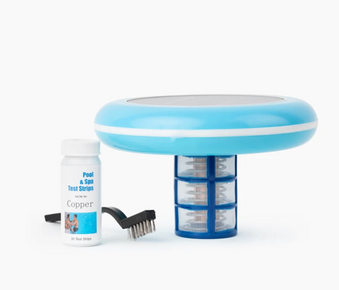
TL;DR: When buying a solar pool ionizer in 2026, focus on proper capacity sizing, electrode quality (copper and silver composition), solar panel efficiency, durable construction materials, and ease of maintenance rather than gimmicky features. This comprehensive buying guide covers the features that actually impact performance, longevity, and value, helping you choose the right model for your pool. Learn about how to choose a solar pool ionizer based on features that deliver real results.
SEO Summary:
Discover which solar pool ionizer features actually matter in this complete 2026 buying guide. Learn about capacity sizing, electrode quality, solar panel efficiency, construction materials, maintenance requirements, and value comparison. Includes feature analysis, brand comparisons, cost breakdown, and expert recommendations for choosing the right ionizer based on pool size, budget, and performance expectations rather than marketing hype.
Table of Contents
- Capacity Sizing: The Most Critical Feature
- Electrode Quality & Composition
- Solar Panel Efficiency & Design
- Construction Materials & Durability
- Maintenance Features & Ease of Use
- Features That Don't Matter (Marketing Hype)
- Brand Comparison & Value Analysis
- Final Thoughts & Recommendation
- Key Takeaways
Capacity Sizing: The Most Critical Feature
The single most important feature when buying a solar pool ionizer is proper capacity sizing. An ionizer that's too small won't produce adequate copper ions, while oversizing wastes money without improving performance.
Why Capacity Matters
Solar ionizers are rated by the maximum pool volume they can effectively treat, typically expressed in gallons. This rating reflects the electrode surface area and solar panel output—larger pools need more ion production to maintain effective copper levels throughout the water volume. Using an undersized ionizer means copper levels will remain too low for adequate algae control, requiring chlorine backup or frequent algae treatment. Oversized ionizers produce excessive copper that's difficult to manage and increases staining risk.
Standard Capacity Ranges
10,000-35,000 Gallon Models: Standard capacity ionizers handle most residential pools including small to medium in-ground pools (15,000-25,000 gallons), large above-ground pools (10,000-15,000 gallons), and spa/hot tub combinations. This is the most popular size for typical backyard pools.
35,000-45,000+ Gallon Models: High-capacity models serve larger installations including resort-style backyard pools, pools with extensive water features (waterfalls, fountains), and properties with multiple connected water bodies. These units feature larger electrodes and more powerful solar panels.
Calculating Pool Volume
Accurate volume calculation is essential for proper sizing. For rectangular pools, multiply length × width × average depth × 7.5. For oval pools, multiply length × width × average depth × 5.9. For kidney or irregular shapes, divide into sections and calculate separately, then add together. Round up to the next capacity tier if you're between sizes—better to have slight excess capacity than insufficient ion production.
Special Considerations
Certain factors may require upsizing beyond basic volume calculations. Heavy bather load (frequent pool parties, large families) increases organic contamination requiring more ion production. Pools with waterfalls or fountains have higher effective volume due to aeration and water movement. Shaded pools receiving less than 6 hours of direct sunlight may benefit from larger units to compensate for reduced solar charging. Pools in very hot climates (consistent 90°F+ water temperatures) experience faster algae growth requiring more robust ionization.
Multi-Unit Strategy
For pools exceeding 45,000 gallons or those with challenging conditions, consider deploying multiple standard units rather than a single oversized model. Multiple ionizers provide better ion distribution, offer redundancy if one unit needs maintenance, and allow flexible positioning for optimal coverage. Two 35,000-gallon units often outperform a single 70,000-gallon unit (if such a thing existed) due to better spatial distribution.
Electrode Quality & Composition
Electrode quality directly impacts ion production, longevity, and overall ionizer performance. This is where cheap ionizers cut corners, so understanding electrode specifications is crucial.
Copper Electrode Purity
High-quality ionizers use 99.9% pure copper electrodes (anodes) that provide consistent ion release, resist corrosion, and last 2-3 seasons with proper maintenance. Lower-quality units may use copper alloys or impure copper that corrode unevenly, produce inconsistent ion levels, and require more frequent replacement. Pure copper appears bright reddish-brown when new and develops a uniform patina during use. Avoid ionizers that don't specify copper purity—this is a red flag for inferior materials.
Silver Electrode Quality
Silver electrodes (cathodes) provide antibacterial protection complementing copper's algaecidal properties. Quality ionizers use solid silver or high-silver-content alloys that maintain effectiveness throughout the electrode's life and resist degradation from pool chemicals. Cheap ionizers may use silver plating over base metals that wears off quickly, eliminating antibacterial benefits. While copper does most of the heavy lifting, silver's contribution to water quality justifies investing in quality silver electrodes.
Electrode Size & Surface Area
Larger electrodes with more surface area produce ions more efficiently and last longer before requiring replacement. Quality ionizers feature substantial electrodes—copper anodes should be at least 1 inch diameter and 4-6 inches long for standard capacity units. Thin, small electrodes indicate a budget model that will require frequent replacement and may not produce adequate ions. Compare electrode size when evaluating different brands—this is a tangible indicator of quality and value.
Electrode Accessibility
Easy electrode access for cleaning and replacement is a practical feature that impacts long-term satisfaction. Quality ionizers allow electrode removal without tools or with simple hand-tightening mechanisms. Avoid units requiring screwdrivers, pliers, or complex disassembly for electrode maintenance. You'll clean electrodes every 4-6 weeks and replace them every 2-3 years easy access makes these tasks quick rather than frustrating. Check product photos or descriptions for electrode access design before purchasing.
Replacement Part Availability
Verify that replacement kits are readily available for your chosen ionizer. Quality brands maintain stock of replacement electrodes, baskets, springs, and other consumables. Cheap or off-brand ionizers may have limited or no replacement parts, forcing you to buy an entirely new unit when electrodes wear out. Learn more about solar pool ionizer replacement kits and their importance for long-term value.
Solar Panel Efficiency & Design
The solar panel converts sunlight into electrical current that drives ion production. Panel efficiency and design significantly impact ionizer performance.
Panel Size & Output
Larger solar panels capture more sunlight and generate more current for ion production. Quality ionizers feature panels sized proportionally to their capacity rating—standard units typically have 6-8 inch diameter panels, while high-capacity models use 8-10 inch panels. Undersized panels can't generate sufficient current for rated capacity, especially in less-than-ideal sunlight conditions. Compare panel size relative to capacity when evaluating different models.
Solar Cell Quality
Modern ionizers use monocrystalline or polycrystalline solar cells. Monocrystalline cells offer higher efficiency (15-20% conversion), better low-light performance, and longer lifespan (20+ years). Polycrystalline cells are slightly less efficient (13-16% conversion) but still adequate for pool ionizers and more affordable. Avoid ionizers that don't specify solar cell type—this suggests low-quality amorphous cells with poor efficiency and short lifespan.
Weather Resistance
Solar panels must withstand years of sun exposure, temperature extremes, and pool chemical vapors. Quality panels feature UV-stabilized encapsulation that prevents yellowing and degradation, sealed construction that keeps moisture out of electrical components, and impact-resistant covers that protect cells from hail or debris. Cheap panels yellow within 1-2 seasons, reducing efficiency by 30-50%. Look for warranties of 3-5 years on solar panels as an indicator of quality construction.
Panel Angle & Positioning
Some ionizers feature adjustable panel angles that optimize sun exposure throughout the day and seasons. While not essential, adjustability can improve performance in pools with limited sun exposure or those at higher latitudes where sun angle varies significantly by season. Fixed-angle panels work fine for most applications if the ionizer can be positioned to receive direct sunlight. Don't overpay for adjustability unless your pool has specific sun exposure challenges.
Low-Light Performance
Quality ionizers continue producing ions even in partial sun or cloudy conditions, though at reduced rates. This is important for pools in climates with frequent cloud cover or those with partial shade during parts of the day. Cheap ionizers with poor solar cells may stop producing ions entirely in anything less than full sun. While you can't easily test this before purchase, brand reputation and reviews provide insight into low-light performance.
Construction Materials & Durability
Ionizers float in pool water 24/7, exposed to chlorine, UV radiation, temperature extremes, and physical impacts. Construction quality determines whether your ionizer lasts 5+ years or fails within 18 months.
Housing Material
Quality ionizers use UV-stabilized ABS plastic or polycarbonate that resists yellowing, cracking, and chemical degradation. These materials maintain structural integrity for 5-10 years of continuous pool exposure. Cheap ionizers use non-stabilized plastics that yellow within one season, become brittle within two seasons, and crack or break within three seasons. The housing should feel substantial and rigid, not thin or flexible. Avoid ionizers with flimsy housings they won't survive multiple seasons.
Seal Quality
Water intrusion into the ionizer's electrical components causes corrosion and failure. Quality units feature O-ring seals at all openings, gaskets around the solar panel, and sealed wire connections that prevent moisture entry. Test seal quality by checking if the electrode compartment requires firm pressure to close loose-fitting components indicate poor seals. While you can't fully test seals before purchase, solid construction and tight tolerances suggest good sealing.
Basket & Screen Design
The basket holds electrodes in water while allowing flow around them for ion release. Quality baskets use corrosion-resistant materials (stainless steel or heavy-duty plastic), feature adequate perforation for water flow, and attach securely to prevent loss. Cheap baskets corrode within one season, have insufficient perforations that restrict flow, or attach loosely and fall off. Replacement baskets should be available if the original wears out.
Tether & Attachment
Most ionizers include a tether to prevent drifting to pool edges or getting stuck in skimmers. Quality tethers use UV-resistant cord or cable that won't degrade in sunlight, secure attachment points that won't pull out, and appropriate length (10-15 feet) for pool positioning. Some ionizers offer weighted designs that don't require tethering. Either approach works what matters is that the ionizer stays in the optimal position for sun exposure and circulation.
Weight & Stability
Ionizers should float stably without tipping or rolling in normal water movement. Proper weight distribution keeps the solar panel facing upward and electrodes submerged at the correct depth. Cheap ionizers may be too light (blow around in wind) or poorly balanced (tip over easily). While you can't test this before purchase, product reviews often mention stability issues if present.
Maintenance Features & Ease of Use
Ionizers require periodic maintenance cleaning electrodes, testing copper levels, and eventual electrode replacement. Features that simplify these tasks improve long-term satisfaction.
Tool-Free Maintenance
The best ionizers allow electrode removal and cleaning without tools. Hand-tightening caps, twist-lock mechanisms, or simple clips make maintenance quick and easy. Avoid ionizers requiring screwdrivers, wrenches, or complex disassembly—you'll clean electrodes every 4-6 weeks, and tool requirements make this task tedious. Check product descriptions or videos for maintenance procedures before purchasing.
Clear Instructions
Quality manufacturers provide detailed instructions for installation, maintenance, troubleshooting, and electrode replacement. Look for ionizers that include printed instructions in the package, online video tutorials, and responsive customer support. Cheap brands often provide minimal or no instructions, leaving you to figure out maintenance through trial and error. Check the manufacturer's website for support resources before purchasing.
Visual Indicators
Some ionizers include LED indicators that show when the unit is generating current (receiving adequate sunlight). While not essential, indicators provide peace of mind that the ionizer is functioning. However, don't overpay for this feature—regular copper testing is more reliable than LED indicators for confirming proper operation.
Electrode Wear Indicators
A few premium ionizers include visual indicators showing when electrodes need replacement (typically when copper anode is reduced to 50% original size). This is a nice convenience feature but not essential you can visually inspect electrodes during regular cleaning to assess wear. Understanding what to do when copper anodes break down helps you manage electrode replacement effectively.
Cleaning Accessibility
Electrode cleaning involves removing calcium deposits with vinegar solution and a soft brush. Ionizers with wide openings and unobstructed electrode access make this task easier than those with narrow openings or complex internal structures. While all ionizers can be cleaned, some designs are more user-friendly than others. Product reviews often mention if cleaning is particularly difficult.
Features That Don't Matter (Marketing Hype)
Many ionizers advertise features that sound impressive but provide little real value. Don't overpay for these marketing gimmicks.
LED Night Lights
Some ionizers include color-changing LED lights for nighttime aesthetics. While pretty, lights add cost, complexity, and potential failure points without improving ionization performance. Lights drain solar panel power that could go toward ion production. Unless you specifically want pool lighting and the ionizer is competitively priced, skip this feature. Dedicated pool lights provide better illumination at similar or lower cost.
Bluetooth Connectivity
A few premium ionizers offer Bluetooth connectivity for monitoring via smartphone app. This sounds high-tech but provides minimal practical value you still need to manually test copper levels with test strips (the app can't measure copper remotely), and the app typically just shows sunlight exposure time, which you can observe directly. Bluetooth adds $50-$100 to the price for features you'll use once then ignore. Save your money.
Proprietary Electrode Designs
Some brands claim their electrode shape, pattern, or configuration is superior to standard designs. In reality, electrode performance depends on material purity and surface area, not shape. Proprietary designs often just mean expensive replacement parts that only work with that specific brand. Standard electrode designs work excellently and offer more replacement options.
Antimicrobial Coatings
A few ionizers advertise antimicrobial coatings on the housing to prevent algae growth on the unit itself. This is unnecessary the copper ions in the water prevent algae growth on the ionizer naturally. Any algae that does grow on the housing is purely cosmetic and easily wiped off during electrode cleaning. Don't pay extra for this feature.
Magnetic Water Treatment
Some ionizers claim to include magnetic water treatment that "structures" water molecules for improved quality. This is pseudoscience with no credible evidence of effectiveness. Magnetic fields don't meaningfully affect water chemistry or pool sanitation. If an ionizer advertises magnetic treatment, it's a red flag that the manufacturer prioritizes marketing over science.
Oxygenation Claims
A few ionizers claim to oxygenate pool water through electrolysis. While electrolysis does produce tiny amounts of oxygen, the quantity is negligible compared to pool volume and provides no meaningful benefit. Proper circulation and aeration from return jets provide far more oxygenation. Don't pay extra for oxygenation claims.
Lifetime Warranties
Be skeptical of "lifetime" warranties on ionizers. These often exclude consumable parts (electrodes, which are the main component requiring replacement), cover only manufacturing defects (not normal wear), and come from companies that may not exist in 5 years. A solid 2-3 year warranty on the solar panel and housing is more valuable than a vague lifetime warranty with extensive exclusions.
Brand Comparison & Value Analysis
Understanding how different brands compare helps you identify the best value for your budget and needs.
Premium Brands
Premium ionizers typically cost $250-$400 and offer high-purity electrodes (99.9% copper), efficient monocrystalline solar panels, UV-stabilized construction materials, comprehensive instructions and support, and readily available replacement parts. Premium brands justify their cost through longer lifespan (5-7+ years), consistent performance, and lower long-term cost of ownership. Best for pool owners who want reliability and minimal hassle.
Mid-Range Brands
Mid-range ionizers cost $150-$250 and provide good-quality electrodes (95-99% copper), adequate polycrystalline solar panels, decent construction materials, basic instructions, and usually available replacement parts. These offer the best value for most pool owners solid performance at reasonable cost. Expect 4-6 year lifespan with proper maintenance. Best for budget-conscious pool owners who still want quality.
Budget Brands
Budget ionizers under $150 often feature lower-purity electrodes, inefficient solar panels, non-UV-stabilized plastics, minimal instructions, and limited replacement part availability. While initially cheaper, they typically require replacement within 2-3 years, making them more expensive long-term than mid-range options. Only consider budget brands if you're testing ionization before committing to a quality unit, or if you need a temporary solution.
Value Calculation
Calculate cost per year of expected service life for true value comparison. A $300 premium ionizer lasting 6 years costs $50/year. A $150 budget ionizer lasting 2 years costs $75/year. The premium unit provides better value despite higher initial cost. Factor in replacement electrode costs premium brands often have cheaper, more readily available replacement parts that further improve long-term value.
Reading Reviews
Check solar pool ionizer reviews focusing on long-term performance (2+ years of use) rather than initial impressions. Reviews mentioning electrode longevity, construction durability, and customer support quality provide the most valuable insights for making an informed purchase decision.
Final Thoughts & Recommendation
When buying a solar pool ionizer in 2026, focus on the fundamentals that actually impact performance and longevity. Proper capacity sizing ensures adequate ion production for your pool volume. Quality electrodes (99.9% pure copper, substantial size) provide consistent performance and long service life. Efficient solar panels (monocrystalline or quality polycrystalline) generate sufficient current even in less-than-ideal conditions. Durable construction (UV-stabilized materials, quality seals) ensures the ionizer survives years of pool exposure. Easy maintenance features (tool-free electrode access, clear instructions) make ownership pleasant rather than frustrating.
Ignore marketing hype about LED lights, Bluetooth connectivity, proprietary designs, or pseudoscientific claims. These features add cost without improving ionization performance. A simple, well-built ionizer with quality components outperforms a feature-laden unit with inferior fundamentals every time.
For most pool owners, mid-range ionizers ($150-$250) offer the best value—solid performance, adequate longevity, and reasonable cost. If you want maximum reliability and longevity, premium brands ($250-$400) justify their cost through superior components and longer service life. Avoid budget ionizers under $150 unless you're testing the technology before committing to quality equipment.
Start by calculating your pool volume accurately and selecting an ionizer rated for that capacity. Don't undersize to save money an undersized ionizer won't work properly regardless of other features. Once you've identified appropriately sized models, compare electrode quality, solar panel specifications, and construction materials. Read reviews focusing on long-term performance (2+ years of use) rather than initial impressions.
Verify replacement part availability before purchasing. An ionizer is only as good as its long-term support excellent hardware with no replacement parts becomes worthless when electrodes wear out. Understanding what a solar pool ionizer is and how it functions helps you evaluate features more critically.
Consider your specific needs. If you have a shaded pool, prioritize efficient solar panels and consider oversizing capacity slightly. If you're in a hot climate with aggressive algae, choose a model with substantial electrodes and proven performance. If you want minimal maintenance, look for tool-free electrode access and comprehensive instructions. Match the ionizer to your situation rather than buying based on features you don't need.
Remember that all quality ionizers work on the same basic principle solar power drives electrolysis of copper and silver electrodes to release ions. Differences in performance come from execution quality (electrode purity, solar panel efficiency, construction durability) not revolutionary technology. A well-made simple ionizer beats a poorly-made complex one every time.
Finally, understand that ionizers are long-term investments. Spending an extra $50-$100 for quality components pays dividends over 5-7 years of service. Cheap ionizers that fail within 2 years cost more in the long run through replacement and frustration. Buy once, buy right, and enjoy years of reliable algae control with minimal chemical usage. Learn more about solar pool ionizer water chemistry to maximize your investment's effectiveness.
Key Takeaways
- Capacity sizing is the most critical feature calculate pool volume accurately (length × width × average depth × 7.5) and choose an ionizer rated for that capacity; undersized units won't produce adequate ions regardless of other features, while oversized units waste money and increase staining risk.
- Electrode quality determines performance and longevity look for 99.9% pure copper anodes at least 1 inch diameter and 4-6 inches long, solid silver or high-silver-content cathodes, and verify replacement parts are readily available before purchasing.
- Solar panel efficiency matters more than size monocrystalline cells offer 15-20% efficiency and better low-light performance than polycrystalline (13-16%), while UV-stabilized encapsulation prevents yellowing and degradation that reduces efficiency by 30-50% within 1-2 seasons.
- Construction materials determine lifespan UV-stabilized ABS plastic or polycarbonate housings last 5-10 years vs. non-stabilized plastics that yellow, crack, and fail within 2-3 years; quality O-ring seals and gaskets prevent water intrusion that causes electrical failure.
- Ignore marketing gimmicks LED lights, Bluetooth connectivity, proprietary electrode designs, antimicrobial coatings, magnetic treatment, and oxygenation claims add cost without improving ionization performance; focus budget on quality fundamentals instead.
- Mid-range brands offer best value $150-$250 ionizers with quality electrodes, adequate solar panels, and decent construction provide 4-6 year lifespan and solid performance; premium brands ($250-$400) justify cost through 5-7+ year lifespan and superior components.
- Calculate cost per year for true value a $300 ionizer lasting 6 years ($50/year) provides better value than a $150 unit lasting 2 years ($75/year); factor in replacement electrode costs and availability when comparing long-term ownership costs.
Armed with this knowledge, you're ready to make an informed decision that prioritizes performance, durability, and value over flashy features that don't deliver results. Focus on the fundamentals outlined in this guide proper capacity, quality electrodes, efficient solar panels, and durable construction. A well-chosen solar pool ionizer will serve you faithfully for years, reducing chemical usage, lowering maintenance costs, and providing crystal-clear water that's healthier for your family and gentler on the environment. For additional guidance, check our frequently asked questions to address any remaining concerns. Make your purchase based on facts, not marketing, and you'll enjoy the full benefits of solar ionization technology for seasons to come.