TL;DR: Leisure Time E5-04 Spa Chlorine is a granular chlorine sanitizer for hot tubs and spas. Add 1/2 teaspoon per 100 gallons to raise chlorine by 1 ppm, maintain 3 to 5 ppm for regular use. Test water before each use, add chlorine with jets running, wait 15 minutes before entering. This guide covers complete spa sanitization procedures using Leisure Time chlorine.
Table of Contents
What is Leisure Time E5-04 Spa Chlorine?
Leisure Time E5-04 Spa Chlorine is a professional grade granular chlorine sanitizer specifically formulated for hot tubs and spas. This fast-dissolving sodium dichlor formula provides effective sanitization by killing bacteria, viruses, and other harmful microorganisms in spa water. Unlike pool chlorine, spa chlorine is designed for the higher temperatures and smaller water volumes typical of hot tubs, making it ideal for maintaining safe, clean spa water.
Key Features of Leisure Time Spa Chlorine
- Fast dissolving: Works quickly in hot water
- Granular formula: Easy to measure and apply
- Spa specific: Designed for hot tub conditions
- Effective sanitization: Kills bacteria and viruses
- Stabilized chlorine: Contains cyanuric acid to protect from sunlight
- pH neutral: Won't significantly affect water balance
- Professional strength: Used by spa service professionals
- Safe for all spa surfaces: Compatible with acrylic, fiberglass, and vinyl
How Spa Chlorine Works
Leisure Time Spa Chlorine releases free chlorine into spa water that oxidizes organic contaminants and destroys harmful microorganisms. The chlorine breaks down bacteria cell walls, inactivates viruses, and eliminates body oils, lotions, and other organic matter introduced by bathers. This continuous sanitization keeps spa water safe and clean for use.
Why Use Chlorine for Spa Sanitization?
Benefits of Chlorine Sanitization
- Kills bacteria and viruses effectively
- Oxidizes organic contaminants
- Fast acting sanitization
- Widely available and affordable
- Well established safety record
- Easy to test and maintain
- Works in all water conditions
- Provides residual protection
Chlorine vs Other Sanitizers
Chlorine is the most common spa sanitizer due to its effectiveness, affordability, and ease of use. While bromine is also popular for spas (especially indoor spas), chlorine works faster and is easier to test. Mineral systems and ozone can supplement chlorine but typically don't replace it entirely.
When to Add Spa Chlorine
Ideal Situations for Adding Chlorine
Before Each Use:
- Test chlorine levels before entering spa
- Add chlorine if levels are below 3 ppm
- Wait 15 minutes after adding before entering
After Each Use:
- Shock spa after heavy use
- Restores chlorine levels
- Oxidizes organic contaminants
- Prevents cloudy water
Weekly Maintenance:
- Test and adjust chlorine levels
- Shock spa weekly even with light use
- Maintains water quality
After Refilling:
- Add chlorine to fresh water
- Establish initial sanitizer level
- Test and adjust as needed
Step by Step Application Guide
Step 1: Test Water Chemistry
Before adding chlorine, test spa water:
- Free Chlorine: Should be 3 to 5 ppm
- pH: 7.2 to 7.8
- Total Alkalinity: 80 to 120 ppm
- Calcium Hardness: 150 to 250 ppm
Learn about how to maintain your pool's pH balance (principles apply to spas).
Step 2: Calculate Spa Volume
Accurate dosage depends on knowing your spa's water volume. Check your owner's manual or calculate:
Rectangular Spas:
Length (ft) × Width (ft) × Average Depth (ft) × 7.5 = Gallons
Round Spas:
Diameter (ft) × Diameter (ft) × Average Depth (ft) × 5.9 = Gallons
Most residential spas hold 200 to 500 gallons.
Step 3: Determine Chlorine Dosage
Leisure Time E5-04 Spa Chlorine dosage guidelines:
Regular Maintenance Dose
Standard Dose: 1/2 teaspoon per 100 gallons raises chlorine by approximately 1 ppm
Dosage Examples:
- 200 gallon spa: 1 teaspoon to raise 1 ppm
- 300 gallon spa: 1.5 teaspoons to raise 1 ppm
- 400 gallon spa: 2 teaspoons to raise 1 ppm
- 500 gallon spa: 2.5 teaspoons to raise 1 ppm
Shock Treatment Dose
Shock Dose: 1 teaspoon per 100 gallons
- Use after heavy use
- Use weekly for maintenance
- Use when water appears cloudy
- Use when chlorine smell is strong (indicates chloramines)
Step 4: Turn On Jets
Ensure proper circulation before adding chlorine:
- Turn on spa jets to high speed
- Verify water is circulating properly
- Remove spa cover
- Ensure good water movement
Step 5: Add Chlorine to Spa
Apply chlorine for best results:
- Measure correct amount using measuring spoon
- Sprinkle chlorine directly into spa water
- Add near jets for better distribution
- Do not add to skimmer basket
- Keep jets running for 15 minutes
- Allow chlorine to dissolve and circulate
Step 6: Wait Before Entering
Safety precautions:
- Wait 15 minutes after adding regular dose
- Wait 30 minutes to 1 hour after shocking
- Test chlorine before entering
- Chlorine should be 5 ppm or below for safe use
- Water should be clear
Step 7: Retest and Adjust
Verify proper chlorine level:
- Test chlorine after waiting period
- Should read 3 to 5 ppm for regular use
- Add more if below 3 ppm
- Wait longer if above 5 ppm
- Adjust as needed
Ongoing Maintenance Schedule
Daily Maintenance
Before Each Use:
- Test chlorine level
- Add chlorine if below 3 ppm
- Wait 15 minutes before entering
- Verify water is clear
After Each Use:
- Shock spa if heavily used
- Leave cover off for 15 to 30 minutes
- Allow chlorine to off-gas
- Replace cover once chlorine normalizes
Weekly Maintenance
Every Week:
- Test all water chemistry parameters
- Adjust pH and alkalinity as needed
- Shock spa with chlorine
- Clean filter cartridge
- Wipe down spa surfaces
- Clean waterline
- Check equipment operation
Monthly Maintenance
- Deep clean filter cartridge
- Test calcium hardness
- Inspect spa cover
- Check jets and fittings
- Clean spa shell thoroughly
- Verify all equipment is functioning
Quarterly Maintenance
- Drain and refill spa (every 3 to 4 months)
- Deep clean spa shell
- Clean or replace filter cartridge
- Inspect and clean plumbing
- Check all seals and gaskets
Pro Tips for Maximum Effectiveness
Expert Tips from Spa Professionals
- Test before each use: Ensures safe chlorine levels
- Shock weekly: Prevents chloramine buildup
- Balance pH first: Proper pH ensures chlorine effectiveness
- Don't overdose: More chlorine isn't better, follow guidelines
- Store properly: Keep chlorine in cool, dry location
- Use measuring spoon: Accurate dosing is critical
- Run jets when adding: Ensures proper distribution
- Shower before use: Reduces organic load on chlorine
- Leave cover off after shocking: Allows chlorine to off-gas
Avoid Common Mistakes
- Not testing before use: Can result in unsafe chlorine levels
- Adding too much chlorine: Causes skin and eye irritation
- Not shocking regularly: Leads to chloramine buildup and odor
- Ignoring pH: High pH reduces chlorine effectiveness by 50% or more
- Adding chlorine with cover on: Traps chlorine gas
- Not waiting after adding: Can cause skin irritation
- Using pool chlorine: Not formulated for spa conditions
- Storing improperly: Reduces chlorine potency
Maximizing Chlorine Effectiveness
Water Chemistry: Maintain pH between 7.2 and 7.8 for optimal chlorine effectiveness. High pH significantly reduces sanitizing power.
Shocking: Shock spa weekly to oxidize organic contaminants and prevent chloramine buildup that causes odor and irritation.
Filtration: Run spa filter 8 to 12 hours daily to circulate chlorine and remove particles.
Prevention: Shower before use, rinse swimsuits, and avoid lotions to reduce organic load on chlorine.
Frequently Asked Questions
How much Leisure Time Spa Chlorine should I use?
Use 1/2 teaspoon per 100 gallons to raise chlorine by 1 ppm. For a 400 gallon spa, use 2 teaspoons to raise chlorine by 1 ppm. Maintain 3 to 5 ppm for regular use.
How often should I add chlorine to my spa?
Test and add chlorine before each use to maintain 3 to 5 ppm. Shock spa weekly even with light use, and after heavy use or pool parties.
Can I swim immediately after adding chlorine?
No. Wait 15 minutes after adding regular dose, or 30 minutes to 1 hour after shocking. Test chlorine before entering; it should be 5 ppm or below.
What chlorine level is safe for spa use?
Maintain 3 to 5 ppm for regular use. Levels above 5 ppm can cause skin and eye irritation. Levels below 3 ppm may not provide adequate sanitization.
Why does my spa smell like chlorine?
Strong chlorine odor indicates chloramines (combined chlorine), not free chlorine. Shock spa to break down chloramines and restore water quality.
Can I use pool chlorine in my spa?
No. Use spa-specific chlorine like Leisure Time E5-04. Pool chlorine may not dissolve properly in hot water and can affect pH differently.
How do I store spa chlorine?
Store in original container in cool, dry location away from children, pets, and other chemicals. Keep tightly sealed. Do not expose to moisture or heat.
What if chlorine levels won't stay up?
Low chlorine retention can indicate high organic load, high cyanuric acid, or pH problems. Shock spa, test and balance pH, and ensure proper filtration.
Can I use chlorine with a spa ozonator?
Yes. Ozonators supplement chlorine but don't replace it. Maintain 1 to 3 ppm chlorine with ozonator, 3 to 5 ppm without.
How is spa chlorine different from pool chlorine?
Spa chlorine (sodium dichlor) dissolves quickly in hot water, is pH neutral, and is stabilized. Pool chlorine may be calcium hypochlorite or trichlor, which aren't ideal for spa conditions.
Conclusion
Leisure Time E5-04 Spa Chlorine provides effective, reliable sanitization for hot tubs and spas when used properly. By maintaining chlorine levels between 3 and 5 ppm, testing before each use, shocking weekly, and balancing water chemistry, you can ensure your spa water remains clean, safe, and inviting. Following proper dosing guidelines and maintenance schedules protects both bathers and spa equipment while providing the best possible spa experience.
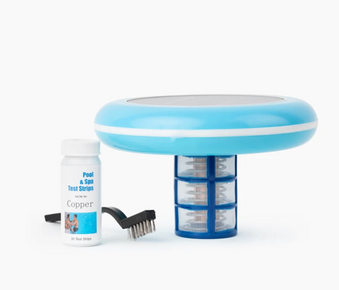
While this guide focuses on spa chlorine, pool owners seeking natural sanitization alternatives can explore a solar pool ionizer which uses solar power to release copper and silver ions for algae and bacteria prevention, reducing chlorine needs by up to 85% in swimming pools with an eco-friendly approach to water treatment.