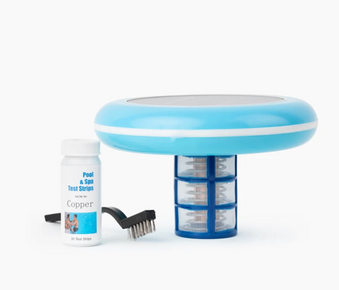
Regular comprehensive pool maintenance represents the fundamental cornerstone of responsible pool ownership, essential for maintaining consistently clear, microbiologically safe, and chemically balanced swimming water throughout the entire swimming season. Even with advanced high-performing equipment systems including solar pool ionizers, multi-stage filtration systems, and sophisticated sanitizing technologies, individual components inevitably experience gradual wear and performance degradation due to continuous electrochemical activity, chemical exposure, mechanical stress, and environmental factors. Professionally engineered replacement kits provide pool owners with an exceptionally efficient and economically advantageous solution for restoring original equipment performance characteristics without the substantial financial investment required for complete system replacement.
High-quality manufacturer-approved replacement kits ensure consistent sanitation performance, superior water clarity maintenance, and long-term operational reliability that protects your overall pool investment. These comprehensive kits help maintain a healthy swimming environment through controlled ion release or precise filtration, significantly reduce chemical consumption and associated costs, and prevent premature equipment failure through compatible component restoration. This exhaustive guide explores the critical importance of premium replacement kits, details the specific components included in various kit configurations, explains how superior components directly improve pool water quality and system performance, and provides professional installation and maintenance techniques for optimal long-term results.
Table Of Contents
- Why Replacement Kits Are Essential for Pool Maintenance
- Key Components Found in High-Quality Replacement Kits
- How High-Quality Components Improve Pool Water Quality
- Choosing Replacement Kits That Match Your Pool System
- Installation Tips for Long-Term Reliability
- Maintenance Practices to Extend the Life of Replacement Parts
- Final Thoughts on the Value of High-Quality Replacement Kits
1. Why Replacement Kits Are Essential for Pool Maintenance
Comprehensive replacement kits offer pool owners a systematically structured and technically sophisticated solution for maintaining optimal pool equipment functionality throughout the equipment's operational lifespan. As pool systems operate continuously through varying environmental conditions, multiple degradation mechanisms gradually compromise component performance including mineral scale accumulation from water chemistry interactions, electrochemical erosion through normal operation, material fatigue from thermal cycling, ultraviolet degradation from sun exposure, and chemical attack from sanitizing agents. These progressive deterioration processes inevitably reduce equipment efficiency, increase operational costs, and eventually compromise water quality if not addressed through timely component replacement.
The Multifaceted Role of Comprehensive Replacement Kits
Premium replacement kits serve multiple critical functions within a comprehensive pool maintenance strategy, delivering benefits that extend far beyond simple component substitution. Performance restoration represents the primary function, with factory-specified components engineered to restore original equipment efficiency regarding ion production rates, filtration capability, hydraulic performance, and operational reliability. Economic efficiency constitutes another significant advantage, as replacement kits for ionizer typically cost between 15-40% of complete system replacement while delivering 90-100% of original performance characteristics. This approach dramatically extends the capital equipment lifespan while minimizing lifetime ownership costs.
Operational consistency ensures maintained water quality through predictable component performance, eliminating the fluctuations in sanitation effectiveness, filtration efficiency, and chemical balance that often accompany deteriorating equipment. System protection prevents the cascading equipment damage that can occur when one compromised component places additional stress on other system elements, potentially leading to premature pump failure, filter damage, or circulation issues. Maintenance simplification streamlines the parts procurement process through single-source purchasing with guaranteed compatibility, while comprehensive instructions ensure proper installation techniques that maximize component lifespan and performance. Environmental responsibility reduces waste through targeted component replacement rather than complete system disposal, while decreased chemical consumption minimizes the ecological impact of pool ownership.
Preventive Maintenance Advantages
Implementing a systematic replacement kit program transforms pool maintenance from reactive problem-solving to proactive performance preservation. Scheduled component replacement prevents the gradual performance degradation that often goes unnoticed until water quality issues become apparent, maintaining consistent sanitation protection against algae, bacteria, and other microorganisms. Energy efficiency preservation ensures pumps, filters, and circulation systems operate at designed efficiency levels rather than compensating for component deficiencies through extended run times or increased power consumption.
Cost predictability enables budget planning for known replacement intervals rather than unexpected emergency repairs following component failure. Water conservation minimizes the need for partial or complete pool draining to address water quality issues resulting from equipment degradation. Swimmer safety assurance maintains consistent protection against waterborne pathogens through reliable equipment operation. By addressing component wear before failure occurs, replacement kits represent the foundation of comprehensive preventive maintenance that preserves both equipment investment and swimming enjoyment.

2. Key Components Found in High-Quality Replacement Kits
High-quality replacement kits vary significantly in specific contents based on the targeted equipment system and manufacturer design philosophies, but several common component categories consistently appear across different kit types. Understanding the specific function, construction, and performance characteristics of these core components enables informed kit selection and proper installation that maximizes performance and lifespan.
Electrochemical System Components
Solar pool ionizer replacement kits typically focus on the electrochemical components responsible for water purification through controlled metal ion release. The anode represents the primary consumable component, typically constructed from high-purity copper (99.9% or higher) or specialized copper-silver alloys engineered for controlled electrochemical erosion and consistent ion release. Premium anodes feature precise dimensional tolerances, specialized surface treatments to promote uniform erosion, and sometimes visual wear indicators that signal approaching replacement intervals. The material composition significantly influences both ion release characteristics and operational lifespan, with pure copper providing rapid initial ion release while copper-silver alloys typically offer extended service life with complementary antimicrobial action.
The cathode serves as the complementary electrode that completes the essential electrical circuit, typically constructed from corrosion-resistant materials like 316L stainless steel, titanium, or specialized nickel alloys. While not experiencing the deliberate erosion of the anode, cathodes gradually accumulate performance-impairing scale deposits and may develop surface corrosion over extended operational periods. Premium replacement cathodes often feature advanced surface treatments, specialized coatings, or particular geometries that enhance electron transfer efficiency while resisting scale accumulation. Complete electrochemical kits typically include precisely matched anode-cathode pairs engineered for optimal current distribution and ionization efficiency within the specific system design.
Mechanical and Filtration Components
Protective baskets and debris screens represent critical mechanical components that prevent foreign object damage while maintaining optimal hydrodynamics around sensitive elements. These components typically consist of UV-stabilized polymers like polypropylene, ABS, or advanced composites arranged in specific geometric patterns that maximize debris exclusion while minimizing flow restriction. High-quality baskets feature reinforced mounting points, impact-resistant mesh designs, and sometimes specialized coatings that resist mineral adhesion and biological fouling. Premium versions may incorporate graduated filtration with larger openings at the periphery progressing to finer mesh near critical components, providing staged filtration that captures debris while maintaining flow characteristics.
Sealing systems ensure watertight integrity at connection points and between components, typically including O-rings, gaskets, and specialized seals constructed from EPDM, silicone, or other chemically resistant elastomers formulated for continuous immersion in pool water. Premium sealing kits often include multiple redundancy with primary and secondary seals, while comprehensive sets provide all sealing elements required for complete system reassembly. Connection hardware includes corrosion-resistant fasteners, typically 304 or 316 stainless steel, with precise thread specifications and sometimes specialized drive systems that prevent overtightening and component damage. Additional mechanical components might include flotation elements, pool mounting brackets, alignment fixtures, and specialized tools specific to the equipment system.
Accessory and Support Components
Comprehensive replacement kits often include various accessory components that enhance installation convenience, maintenance effectiveness, and long-term performance. Cleaning tools represent common accessories, typically including non-abrasive brushes specifically designed for electrode surfaces, plastic picks for deposit removal without surface damage, and sometimes specialized descaling solutions formulated for ionization components. Testing materials might include copper test strips, digital tester compatibility, or performance verification tools that ensure proper system operation following component replacement.
Documentation represents a critical yet frequently overlooked component, with premium kits including detailed installation instructions, torque specifications, performance verification procedures, and maintenance scheduling guidance. Some advanced kits incorporate performance monitoring logs, replacement scheduling tools, or pool water chemistry management guides that support comprehensive system care. Protection components might include storage containers, handling gloves, or installation mats that prevent damage during the replacement process. While not always essential for basic functionality, these accessory components significantly enhance the overall replacement experience while supporting long-term performance preservation.
3. How High-Quality Components Improve Pool Water Quality
The direct relationship between component quality and resulting water quality represents perhaps the most significant justification for investing in premium replacement kits. Superior components influence multiple aspects of water quality through precise performance characteristics, material compatibility, and extended operational consistency that cheaper alternatives cannot match.
Sanitation Consistency and Microbiological Control
High-quality electrochemical components maintain consistent ion release rates within the optimal therapeutic range of 0.2-0.5 ppm copper ions, creating an environment fundamentally hostile to microorganisms while remaining safe for swimmers and equipment. Premium anodes with controlled erosion characteristics prevent the ion concentration fluctuations that can occur with inferior components periods of inadequate sanitation alternating with potentially excessive metal levels. This consistency proves particularly important for preventing algae establishment, as sporulating algae can develop resistance when exposed to sub-therapeutic ion concentrations followed by adequate levels.
The material purity of premium components ensures predictable ionization without introducing secondary metals or impurities that might interact with pool chemistry or cause staining. Copper-silver alloy anodes provide complementary antimicrobial action through different mechanisms, creating a comprehensive defense system that proves more effective than single-metal approaches. Consistent ionization also helps maintain oxidative reduction potential (ORP) at levels hostile to pathogen survival, providing an additional layer of protection beyond simple algistatic action. This reliable microbiological control eliminates the reactive chemical treatments typically required following equipment degradation, maintaining more stable water chemistry with reduced chemical demand.
Filtration Efficiency and Hydraulic Performance
Mechanical components in replacement kits directly impact filtration system performance through precise dimensional compliance, optimal flow characteristics, and effective debris exclusion. Premium baskets and screens maintain designed flow rates around critical components, preventing the flow restrictions that can create dead zones with inadequate treatment. The specific mesh patterns and opening geometries in quality components maximize debris capture while minimizing pressure drop, maintaining system efficiency without increasing pump workload.
Superior sealing systems prevent bypass that allows unfiltered water to circumvent the treatment process, ensuring all water receives proper purification. Properly engineered components maintain hydraulic characteristics that support even chemical distribution throughout the pool, preventing localized concentration variations that can lead to staining, scaling, or inadequate sanitation. The dimensional precision of premium components ensures perfect compatibility with existing systems, eliminating the gaps, misalignments, or improper fits that can compromise filtration effectiveness in cheaper alternatives.
Chemical Balance and Water Clarity
High-quality components contribute significantly to chemical stability by eliminating the fluctuations that often accompany deteriorating equipment. Consistent ionization prevents the chlorine demand spikes that occur when algae or bacteria establish footholds during equipment degradation periods. The material compatibility of premium components prevents chemical interactions that can alter pH, consume sanitizer, or introduce metals that might catalyze undesirable reactions.
Superior filtration components maintain brilliant water clarity by effectively removing the fine particles that cause light scattering and cloudiness. The controlled erosion of premium anodes prevents the excessive ion release that can sometimes cause temporary cloudiness or surface interactions. Properly functioning components maintain the balanced water chemistry that supports optimal filter performance, creating a virtuous cycle where each system element supports the others. This chemical stability reduces the need for frequent adjustments, minimizes chemical consumption, and maintains the sparkling water appearance that defines professionally maintained pools.

4. Choosing Replacement Kits That Match Your Pool System
Selecting the appropriate replacement kit requires careful consideration of multiple factors including equipment compatibility, performance requirements, material specifications, and long-term value. Understanding these selection criteria ensures optimal kit choice that delivers maximum performance and lifespan while preventing compatibility issues or premature failure.
Compatibility Verification and System Matching
Comprehensive compatibility assessment represents the foundational step in replacement kit selection, ensuring all components precisely match the original equipment specifications. Dimensional compatibility requires verification of critical measurements including anode diameter and length, cathode dimensions and configuration, basket outer diameter and height, and all connection thread specifications. Even minor dimensional variations can prevent proper installation, create leakage paths, or alter system hydrodynamics enough to impact performance.
Electrical compatibility proves particularly important for electrochemical systems, with anode-cathode pairs requiring specific spacing, surface area ratios, and electrical characteristics to function optimally within the system design. Material compatibility ensures components withstand the specific chemical environment of your pool, with considerations for chlorine type and concentration, stabilizer levels, calcium hardness, and overall water balance. Performance compatibility matches component characteristics to your specific pool requirements including volume, bather load, environmental conditions, and usage patterns. Systems documentation, manufacturer specifications, and sometimes direct measurement of existing components provide the necessary information for comprehensive compatibility verification.
Material Quality Assessment and Verification
Material composition directly influences component performance, lifespan, and compatibility with your specific pool environment. Electrochemical components should feature verified material certifications, with copper anodes typically specifying 99.9% purity or higher and copper-silver alloys providing precise composition documentation. Premium materials often include specific manufacturing processes like continuous casting, precision machining, or specialized heat treatments that enhance performance characteristics.
Polymer components should specify UV stabilization, chemical resistance ratings, and sometimes glass fiber reinforcement for structural elements. Metallic components require specific alloy designations rather than generic descriptions, with stainless steel components typically specifying 304 or 316 grades for corrosion resistance. Sealing elements should identify the specific elastomer compound and its compatibility with your pool chemistry. Material verification might involve manufacturer documentation, independent certifications, or sometimes simple visual and physical inspection comparing to known quality standards.
Performance Features and Value Considerations
Beyond basic compatibility and material quality, various performance-enhancing features distinguish replacement kits from basic alternatives. Surface treatments might include specialized coatings that reduce scale adhesion, promote uniform erosion, or enhance corrosion resistance. Design innovations could incorporate visual wear indicators, quick-disconnect mechanisms, or alignment features that simplify installation and maintenance. Comprehensive kits often include value-added components like installation tools, performance verification methods, or maintenance scheduling aids.
Long-term value assessment should consider both initial cost and expected lifespan, with premium kits typically delivering lower cost per operating month despite higher initial investment. Warranty coverage provides insight into manufacturer confidence, with longer comprehensive warranties typically indicating superior quality. Availability of individual components allows future maintenance without complete kit purchase, while system-specific design ensures optimal performance rather than generic compatibility. These value considerations help justify the typically higher initial investment in premium kits through extended service life, reduced maintenance frequency, and consistent performance preservation.

5. Installation Tips for Long-Term Reliability
Proper installation techniques significantly influence component performance, operational lifespan, and system reliability. Following systematic procedures and attention to critical details ensures optimal results while preventing installation-related issues that could compromise performance or cause premature failure.
Comprehensive Pre-Installation Preparation
Thorough preparation creates the foundation for successful installation, beginning with complete system documentation through photographs or sketches that record original configuration, component orientation, cable routing, and connection methods. Workspace establishment provides a clean, organized area with adequate lighting, protection from environmental elements, and all necessary tools readily accessible. Component verification ensures the replacement kit matches requirements, with dimensional confirmation, material inspection, and completeness assessment before beginning disassembly.
System preparation involves proper shutdown procedures, careful equipment removal from the pool, and preliminary cleaning to remove gross debris and biofilms. Tool preparation gathers all required equipment including manufacturer-specified tools, cleaning supplies, and any specialized equipment mentioned in installation instructions. Safety preparation includes electrical isolation verification, personal protective equipment, and procedural review to prevent accidents or component damage during the installation process. This comprehensive preparation typically requires 15-30 minutes but prevents numerous potential issues during the actual installation procedure.
Systematic Component Replacement Procedure
Methodical disassembly begins the replacement process, following manufacturer-recommended sequences to prevent damage to retained components or mounting surfaces. Careful documentation during disassembly notes specific orientation, connection methods, and any unusual conditions encountered. Thorough cleaning of all mounting surfaces, connection points, and adjacent components removes scale, corrosion, and debris that could impair performance or prevent proper seating.
Component installation follows precise procedures including proper alignment, specified connection methods, and correct application of any sealants, lubricants, or anti-corrosion compounds. Electrical connections require particular attention to contact surface preparation, proper tension, and sometimes specific torque values to ensure optimal conductivity without damage. Mechanical components need careful alignment verification, clearance confirmation, and sometimes operational testing before final assembly completion. Each installation step should include verification before proceeding to the next, preventing the discovery of issues only after complete reassembly.
Post-Installation Verification and System Commissioning
Comprehensive inspection following installation verifies all components install correctly, connections secure properly, and no tools, debris, or foreign materials remain within the assembly. Visual verification confirms proper alignment, complete engagement of mounting features, and absence of any installation errors that could compromise performance or safety. Pre-deployment testing might include electrical continuity verification, limited operation observation, or other manufacturer-recommended checks before returning the system to service.
System commissioning involves careful reintroduction to operational conditions, typically beginning with brief observation periods to verify proper function before extended operation. Performance verification through water testing confirms proper operation, with copper ion measurements typically conducted 24-48 hours after system reactivation to allow stabilization. Operational monitoring during initial service identifies any unusual characteristics requiring attention, while documentation completion records installation details, initial observations, and performance measurements for future reference. This systematic approach to installation and commissioning ensures reliable operation while maximizing component lifespan and performance.

6.Maintenance Practices to Extend the Life of Replacement Parts
Proper pool maintenance practices significantly extend component lifespan while maintaining optimal performance characteristics throughout the service period. Implementing systematic inspection, cleaning, and documentation procedures represents a minimal time investment that delivers substantial returns through extended service intervals, consistent performance, and prevention of premature failure.
Comprehensive Inspection Protocols
Regular systematic inspection identifies developing issues before they significantly impact performance or cause secondary damage. Visual inspection should occur at least quarterly during peak season, examining components for wear patterns, scale accumulation, corrosion, and physical damage. Performance monitoring through regular water testing provides quantitative data regarding system effectiveness, with copper ion measurements offering direct insight into electrochemical component condition.
Operational observation notes any changes in system behavior including altered bubbling patterns, reduced movement, or unusual sounds during operation. Comparative documentation through photographs during each inspection enables direct visual comparison over time, making gradual changes more apparent than memory-based assessment. Seasonal inspections before and after storage periods identify issues developed during downtime and ensure proper system condition before peak usage periods. This comprehensive inspection approach typically requires 15-30 minutes per session but provides early identification of issues when intervention remains simple and cost-effective.
Systematic Cleaning Procedures
Regular cleaning prevents the accumulation of performance-impairing deposits while identifying developing issues through close component examination. Electrochemical components typically require descaling to remove mineral deposits that increase electrical resistance and alter current distribution. Mechanical components need debris removal and sometimes specialized cleaning to maintain flow characteristics and prevent physical damage. Connection systems benefit from periodic inspection and cleaning to maintain optimal electrical contact and prevent corrosion.
Proper cleaning techniques prove essential to prevent component damage during maintenance. Non-abrasive tools, appropriate cleaning solutions, and correct procedures preserve component surfaces while effectively removing deposits. Systematic approaches ensure comprehensive cleaning without overlooking critical areas, while proper rinsing prevents chemical residue that might impact performance. Documentation of cleaning activities, observations, and any unusual conditions provides valuable historical data for predicting future maintenance needs and identifying developing patterns requiring attention.
Proactive Maintenance Scheduling
Transitioning from reactive to proactive maintenance represents the ultimate goal of comprehensive maintenance practices, enabling component replacement before significant performance degradation occurs. Replacement scheduling based on documented performance history typically proves more effective than generic manufacturer recommendations, with intervals increasingly tailored to specific operating conditions and observed degradation rates.
Preventive maintenance includes seasonal preparations, system optimization before peak usage periods, and proactive replacement of components approaching their expected lifespan. Inventory management ensures necessary components are available when needed, preventing extended downtime during critical periods. Documentation analysis identifies patterns and relationships between operating conditions, maintenance activities, and component lifespan, enabling increasingly accurate prediction of maintenance needs. This proactive approach typically reduces overall maintenance time while preventing the water quality issues and emergency repairs associated with reactive maintenance strategies.
7. Final Thoughts on the Value of High-Quality Replacement Kits
High-quality replacement kits represent one of the most strategically valuable investments in comprehensive pool maintenance, delivering substantial benefits across multiple dimensions including performance consistency, economic efficiency, operational reliability, and overall swimming enjoyment. The modest additional investment in premium components typically returns multiples in extended service life, reduced chemical consumption, minimized maintenance requirements, and prevented water quality issues.
The comprehensive value proposition extends beyond simple component substitution to encompass system preservation, investment protection, and enhanced user experience. Premium kits maintain the performance characteristics that justified the original equipment investment, ensuring continuous enjoyment of the benefits that motivated the purchase decision. The economic advantages become increasingly apparent when considering the alternative costs of complete system replacement, professional service interventions, or chemical expenditures to compensate for declining equipment performance.
Ultimately, systematic implementation of high-quality replacement kits transforms pool maintenance from a reactive burden to a proactive preservation strategy. The knowledge that equipment operates at optimal efficiency provides peace of mind, while the consistent water quality ensures maximum swimming enjoyment. Through attentive component maintenance and timely replacement, pool owners protect their investment while minimizing the time and expense required to maintain perfect pool conditions. This comprehensive approach represents the foundation of responsible pool ownership, ensuring years of reliable performance and sparkling water that enhances both property value and quality of life.